

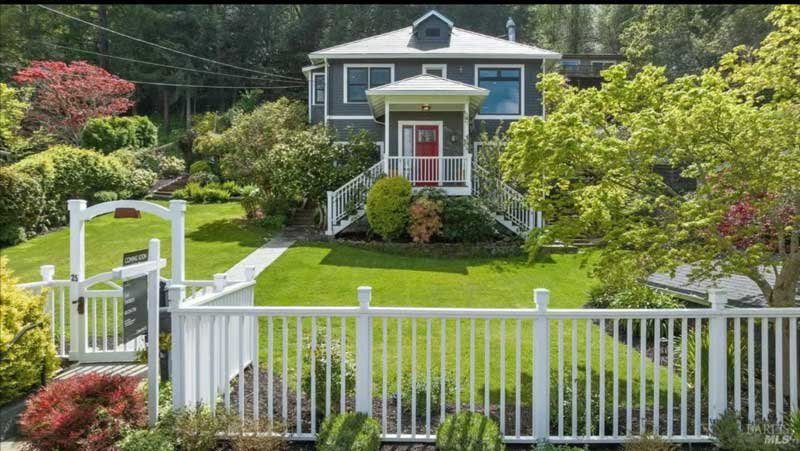
Imagine finding a property that looks flawless on paper. It has the exact number of bedrooms you need, a beautifully updated kitchen, and a spacious backyard for entertaining. You unpack your boxes, settle in, and quickly realize the surrounding area feels completely empty. You have to drive twenty minutes just to buy a decent cup of coffee, and you never see your neighbors outside.
That dream house can quickly become a lonely island if the surrounding community lacks energy. Finding the right home in Seattle means finding a community vibe that matches your daily needs. You are choosing where your life happens, and the environment outside your front door shapes your happiness just as much as the roof over your head.
The data backs this up entirely. According to the National Association of REALTORS®, 59% of buyers cite the quality of the neighborhood as the top factor influencing their choice of location. Buyers consistently prioritize the surrounding environment over specific home features.
What “Buying a Lifestyle” Actually Means (and Why It Matters)
When Seattle real estate professionals talk about buying a lifestyle, they mean you are investing in a daily routine. You are buying the morning walk to the bakery, the safety of the local parks, and the casual interactions with neighbors. You are purchasing a place in a community, not just a structure made of wood and drywall.
This concept shifts the focus from the physical property to your overall human experience. A beautiful living room loses its charm if you feel isolated or bored the moment you step outside.
“Buyers don’t just buy a house; they buy a lifestyle. Staging helps them envision that lifestyle and emotionally connect with the property.”
The psychological impact of your environment runs deep. A Federal Reserve report on Economic Well-Being found that neighborhood quality is a critical marker of current financial well-being and future opportunities. Living in an area that aligns with your values directly impacts your overall life satisfaction.
Finding the perfect home means looking beyond the property lines and understanding the pulse of the community. To truly match your lifestyle to your location, working with a real estate agency helps you evaluate neighborhoods more effectively, ensuring factors like walkability, local character, and long-term value are properly considered. Researching these details early on prevents you from buying a great house in the wrong zip code.
Key Factors to Look For in a Neighborhood
A neighborhood’s “vibe” is not just a vague feeling you get when driving through. It is built on observable, concrete community factors that shape everyday life. You can actually measure and evaluate a vibe if you know what to look for.
By breaking down the atmosphere into specific elements, you can compare different areas objectively. Here are the main factors you should evaluate during your home search.
Walkability and Local Amenities
Easy access to parks, coffee shops, and grocery stores fundamentally shapes your daily routine. Living in a highly accessible area in Seattle reduces your reliance on a car and encourages a more active, social life. When you can walk to grab a few groceries, errands become a pleasant part of your day rather than a stressful chore.
This level of convenience has tangible monetary value. Research from the National Association of City Transportation Officials shows that homes in highly walkable neighborhoods command a price premium of $4,000 to $34,000 over similar homes in less walkable areas. Buyers are eager to pay more for a lifestyle that does not require a steering wheel.
Strong local amenities also protect your home’s future resale value. A neighborhood with thriving small businesses and well-maintained public spaces will always attract future buyers. When you invest in a walkable area, you are insulating your property value against market downturns.
Community Engagement and Energy
Every area has a specific energy, and you need to figure out if that energy matches your personality. You might want a dense, bustling urban core with late-night dining options and crowded sidewalks. Alternatively, you might prefer a laid-back, family-friendly oasis with quiet streets and community gardens.
Look for signs of a healthy community fabric as you tour different areas. Active local events, bustling small businesses, and well-kept public spaces indicate that residents care about their environment. You can often spot community pride in how neighbors maintain their front porches or organize neighborhood yard sales.
Take time to define what level of engagement you actually want. Do you value quiet privacy where everyone keeps to themselves? Or are you hoping for frequent block parties and friendly chats over the fence? Knowing your preference helps you filter out neighborhoods that will leave you feeling drained or lonely.
The Classic Tradeoff: House Size vs. Neighborhood Location
Many Seattle homebuyers eventually face a common and frustrating real estate dilemma. Do you settle for a smaller house to afford a better, more vibrant neighborhood? Or do you buy the massive house in an area that requires a long commute and lacks local charm?
You can make this decision easier by reframing your perspective. A strong outside vibe acts as an extension of your living space. Local parks become your backyard, nearby cafes become your home office, and the local gym replaces the need for workout equipment in your garage.
Here is a simple framework to help you decide which compromises make sense for your specific lifestyle goals.
| Lifestyle Priority | Smaller Home in a High-Vibe Area | Larger Home in a Standard Area |
| Daily Commute | Often shorter, with public transit or biking options. | Typically longer, heavily reliant on a personal vehicle. |
| Social Life | High spontaneous social interaction at local spots. | Requires planning and driving to meet up with friends. |
| Entertaining | Host smaller gatherings or meet guests at nearby restaurants. | Plenty of space to host large dinner parties at home. |
| Maintenance | Less indoor space to clean and fewer yard chores. | More time and money spent on upkeep and landscaping. |
Review these tradeoffs carefully with your family. If you spend most of your weekends exploring the city and eating out, sacrificing square footage for a great location makes perfect sense.
How to Research a Neighborhood’s True Culture Before Making an Offer
You need to discover the authentic daily energy of an area to prevent buyer’s remorse. A simple drive-by on a Sunday afternoon will not give you the full picture. Start by visiting the neighborhood at different times of the day and week to see how the atmosphere changes.
A street that is perfectly quiet on a Tuesday morning might be overwhelmed with traffic and noise on a Saturday afternoon. Park your car and walk around the block during the evening to see if people are out walking their dogs or if the streets feel deserted.
Seek out crowdsourced local perspectives instead of relying purely on real estate listings. Talk to actual residents you see out and about. Ask them what they love about the area, what their favorite local restaurant is, and what they wish they could change.
You should also test the local commute during rush hour to see what your mornings will actually look like. Finally, visit community hubs like local grocery stores, coffee shops, or community centers. Checking out local bulletin boards reveals what residents care about, from local theater groups to volunteer opportunities.
Conclusion
The outside vibe and surrounding community are just as critical to your long-term happiness as the physical home itself. While a renovated kitchen or a spacious master bath are wonderful features, they cannot compensate for a neighborhood that makes you feel isolated. Your daily routine is shaped by what is outside your front door.
We have seen the undeniable financial and emotional value of prioritizing walkability and lifestyle alignment. Buyers are happier and their property values remain more stable when they choose communities with strong local amenities. Taking the time to research an area’s true culture protects your mental well-being and your wallet.
Choose a Seattle neighborhood that actively supports the life you want to live. When you buy into the right community, you gain much more than a mailing address. You gain a vibrant daily routine, a sense of belonging, and a place you are truly proud to call home.