

Key Takeaways
Poor window performance can significantly increase energy bills and reduce home comfort.
Drafts, temperature fluctuations, and rising utility costs are common signs of window inefficiency.
Condensation between panes often indicates a failed seal and reduced insulation.
Difficulty operating windows or visible damage can signal air leaks and structural issues.
Inefficient windows may also cause noise infiltration and fading of furniture due to UV exposure.
Simple fixes like caulking and weatherstripping can improve efficiency, while upgrades offer long-term savings.
Energy-efficient windows help lower costs, improve comfort, and increase property value.
Windows have a significant impact on your home’s energy performance and comfort. When your windows are not in optimal shape, they can let heated or cooled air escape, driving up your utility bills and reducing your overall comfort. Identifying and fixing inefficiencies promptly can help lower costs and enhance the quality of life at home. If you suspect issues, contacting the best window replacement company in your area can help you get started.
Residents often overlook windows as a source of energy loss, but simple clues might indicate your home is not as efficient as it should be. Continuing neglect can compound energy waste, strain your HVAC system, and even affect the integrity of your home’s furnishings and structure.
Being proactive about window maintenance enables you to maintain better indoor temperatures, reduce energy costs, and even boost property value. Industry experts suggest that as much as 30 percent of a home’s heating and cooling energy usage is attributed to window performance. Addressing window issues can be one of the most cost-effective ways to improve energy efficiency.
Understanding the critical signs to watch for can help you determine whether your windows are undermining your home’s energy efficiency or comfort. By taking action on these issues, you not only cut costs but also make your house healthier and more enjoyable to live in.
Drafts and Temperature Fluctuations
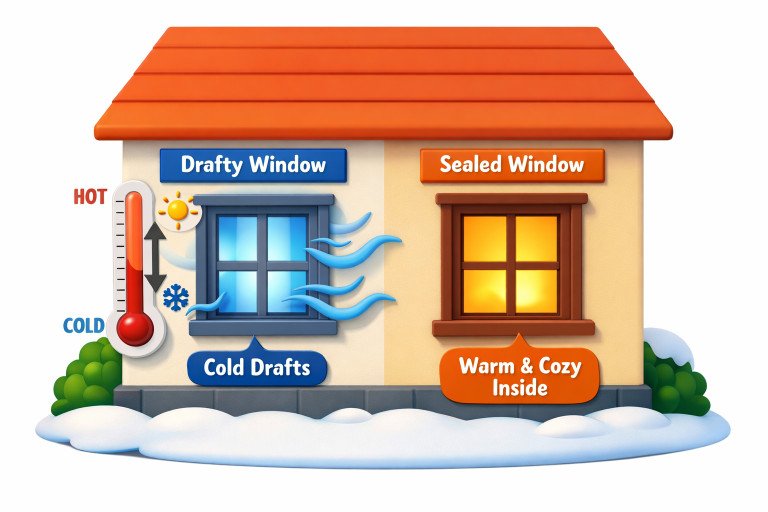
One of the first and most noticeable issues with inefficient windows is the presence of drafts. If you feel chilly air creeping in around closed windows or notice that certain rooms are consistently hotter or cooler than others, your windows may not be sealed properly. Drafty windows are a signal that air is leaking in and out, forcing your heating and cooling systems to work harder to maintain a consistent temperature. Proper insulation and sealing are crucial, and it is important to regularly check that your windows close securely and that weather stripping is in place. According to the U.S. Department of Energy, up to 30 percent of residential heating and cooling energy can be lost through inefficient windows.
Condensation Between Window Panes
When moisture, fog, or water droplets form between the panes of glass in double or triple-pane windows, it is a clear indication that the window’s seal has failed. This breaks down the window’s insulating capabilities, letting outdoor air exchange more freely with your indoor air. The loss of insulation increases heat transfer in both summer and winter, resulting in higher energy costs and uncomfortable indoor conditions. Addressing broken seals often requires professional repair or window replacement to restore energy efficiency.
Rising Energy Bills
If your monthly energy bills are gradually climbing and you cannot attribute it to increased usage or rate changes, inefficient windows might be to blame. Drafts and failed seals let treated air escape, making your HVAC system work harder and use more energy. Consistently monitoring your bills, especially during peak heating and cooling months, can help you catch growing inefficiencies early. Keeping a historical record can also help you track improvements after window upgrades.
Difficulty Operating Windows
Windows should open and close with ease. If they become difficult to move, stick, or fail to latch properly, it may indicate warping, improper installation, or hardware failure. Such windows fail to create a tight seal, allowing unwelcome air infiltration and unnecessary energy loss. Routine maintenance and periodic checks ensure that all moving parts and frames are in working order and offer the protection your home needs.
Fading Furniture and Flooring
Sunlight that streams uninterrupted through windows can cause your interior home furnishings and flooring to fade over time. Older windows that lack protective coatings do not filter out harmful ultraviolet rays, leading to premature aging and fading of carpets, rugs, upholstery, and wood floors. Modern windows with specialized UV coatings can mitigate this problem, protecting your interiors, saving you money on replacements, and improving energy performance.
Increased Outside Noise
If you notice more outdoor sounds entering your home than before, your windows may no longer be providing adequate sound insulation. This issue can arise when single-pane windows or older models lose their sealing qualities. Upgrading to double or triple-pane windows increases both energy efficiency and noise reduction, creating a quieter, more comfortable home environment.
Visible Damage or Decay
Physical deterioration of your windows is a clear indicator of declining performance. Look for cracked panes, rotting wood frames, peeling paint, or deteriorated caulking around the edges. Damaged windows can let in air, moisture, pests, and ultimately reduce your home’s efficiency. Prompt repair or replacement helps prevent more serious problems, such as mold, wood rot, and structural concerns, over time.
Addressing Window Inefficiencies
Improving your home’s energy efficiency often starts with small, cost-effective steps before considering full replacement. Here are some approaches:
Apply weatherstripping and fresh caulking to seal small gaps and cracks.
Install thermal curtains or blinds to create a barrier against heat transfer.
Use insulating window films for an additional layer of protection against heat loss and gain.
Opting for a professional home window tint can further enhance this protective barrier. These specialized films reduce the amount of solar heat entering through the glass during warmer months while supporting indoor comfort year-round. This simple upgrade helps maintain more consistent natural light throughout your living spaces, minimizing intense brightness without forcing you to pull the blinds. By effectively regulating light levels, it limits eye strain and makes daily activities like watching television or working on screens far more comfortable, all while supporting your home’s overall energy management.
Upgrade to energy-efficient windows equipped with Low-E coatings and insulated frames as a long-term solution.
Final Thoughts
Identifying problems early and implementing these strategies can significantly reduce your energy costs, safeguard your home’s interiors, and enhance indoor comfort.
Upgrading your windows does not just make your home more comfortable. It can also boost property value, protect your investment, and contribute to a more sustainable lifestyle.