

A house is a living thing in its own quiet way. It expands in the heat, contracts in the cold, holds onto moisture during damp months, and dries out when the air turns crisp. Every season leaves its mark, and the homeowners who pay attention tend to spend far less on repairs than those who wait for something to break. Seasonal maintenance is not about chasing perfection. It is about staying ahead of the small problems that quietly grow into expensive ones.
The good news is that most of these tasks are simple. They do not require special skills or hours of free time. They just require a little consistency and the willingness to walk through your home with fresh eyes a few times a year. What follows is a practical guide to the seasonal habits that protect your home, your comfort, and your wallet.
Keeping Your Kitchen Running Smoothly
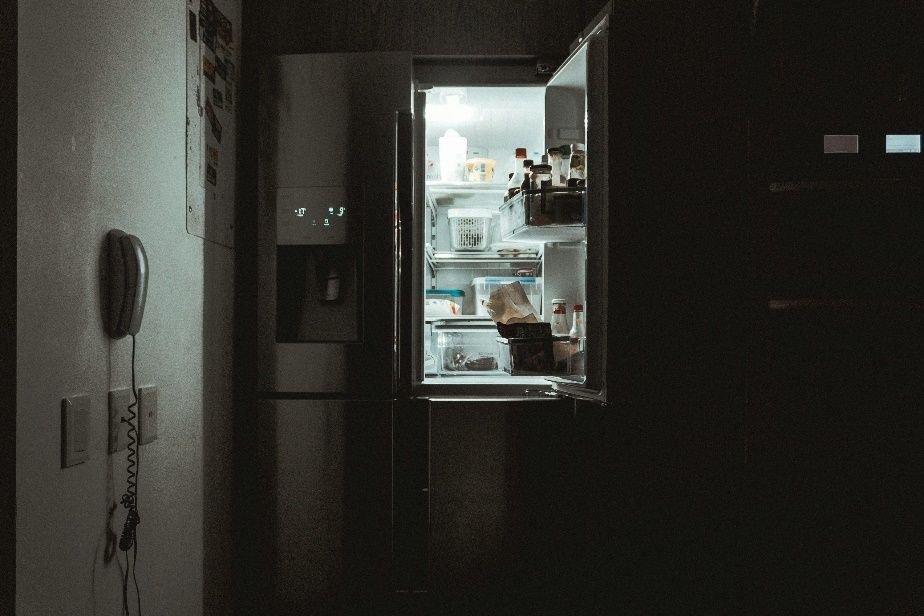
The kitchen sees more daily activity than any other room in the house, and the appliances inside it carry most of that load. Seasonal shifts in temperature and humidity quietly add to the strain, which is why a little preventive attention goes a long way. The refrigerator usually feels the pressure first, since it runs around the clock and depends on tight seals and a healthy compressor to do its job. Once those parts start to wear down, you will need a qualified professional to step in before a small issue turns into a full breakdown.
When searching for the best refrigerator repair service, do not forget to ask for a clear estimate up front and check how quickly the technician can actually show up. A little homework now saves you from rushed decisions later when something goes wrong on a holiday weekend.
Preparing the Roof and Gutters
Your roof takes the worst of every season, and the gutters are its silent partner. Leaves, twigs, and grit pile up faster than most people realize, and once the channels are blocked, water has nowhere to go but back toward your walls and foundation. Climb up safely with a sturdy ladder, or hire someone who specializes in this kind of work, and clear everything out at least twice a year.
While you are up there, look at the roof itself. Missing shingles, lifted edges, and dark patches where moss has settled in are early warnings worth taking seriously. A small repair now is almost always cheaper and less stressful than a sagging ceiling later.
Sealing Up Drafts and Leaks
Air leaks are one of the most common reasons heating and cooling bills creep higher every year. Windows and doors lose their seal over time, and the gaps are usually small enough to miss unless you go looking for them. Run your hand around the frames on a windy day. If you feel a draft, it is time to refresh the weatherstripping or apply a fresh bead of caulk.
Do not forget the less obvious spots, either. Attic hatches, basement windows, and the points where pipes enter the home are common culprits. Tightening these up makes your home more comfortable and takes pressure off your heating and cooling system, which extends its life in the bargain.
Looking After the Plumbing
Plumbing problems rarely announce themselves politely. They tend to arrive in the form of a soaked carpet or a sudden drop in water pressure. A few minutes of seasonal attention can save you a great deal of grief. Check exposed pipes for signs of corrosion or moisture, especially in basements and utility rooms. Insulate any pipes that run along exterior walls before cold weather sets in, since frozen pipes are one of the most damaging issues a homeowner can face.
Test your shutoff valves once or twice a year as well. Valves that sit untouched for years often seize up, and you do not want to discover that during an emergency. A quick turn back and forth keeps them ready to do their job when it matters.
Checking the Heating and Cooling System
Your heating and cooling system works hardest at the extremes of the year, which makes the milder months the perfect time for upkeep. Replace the air filters on schedule, since a clogged filter forces the system to work harder and shortens its lifespan. Vacuum the vents, dust off the registers, and make sure nothing is blocking airflow in the rooms you use most.
A professional tune-up once a year is also worth the investment. A good technician will catch worn parts, low refrigerant, or wiring issues that you would never notice on your own. Catching these things early is the difference between a small service call and a full replacement.
Caring for the Yard and Exterior
The outside of your home needs love, too, and seasonal yard work is about more than appearances. Trim back branches that hang over the roof, since wind and ice can turn them into projectiles. Clear dead growth from around the foundation, where it can attract pests and hold moisture against your walls. Inspect fences, gates, and outdoor stairs for loose boards or rusted hardware.
If you have a deck or patio, give it a careful look each season. Wood that is starting to splinter or stone that is shifting underfoot are both safety issues that get worse the longer they wait. A fresh coat of sealant every couple of years keeps wood surfaces in good shape and looking sharp. For property owners who want to upgrade rather than just preserve their external features, expanding the usable square footage is a popular choice. Upgrading older structures or designing custom outdoor decks can significantly enhance the function and usability of your backyard space. These additions provide a dedicated hub for family gatherings and outdoor activities while naturally elevating the property’s general layout. Ensuring that any external structures are well-integrated with the existing landscaping helps create a balanced transition between your interior and exterior areas.
Testing Safety Devices Around the Home
Smoke alarms and carbon monoxide detectors are the quiet guardians of any household, and they only work if they are maintained. Test them every few months, change the batteries on a predictable schedule, and replace the units themselves when they reach the end of their useful life. Fire extinguishers should be checked for pressure and accessibility, too.
Take a moment to walk through your home with safety in mind. Loose handrails, burned-out bulbs in dark stairwells, and tripping hazards in walkways are easy to overlook in daily life. Fixing them takes minutes and prevents the kind of accidents that change everything in an instant.