

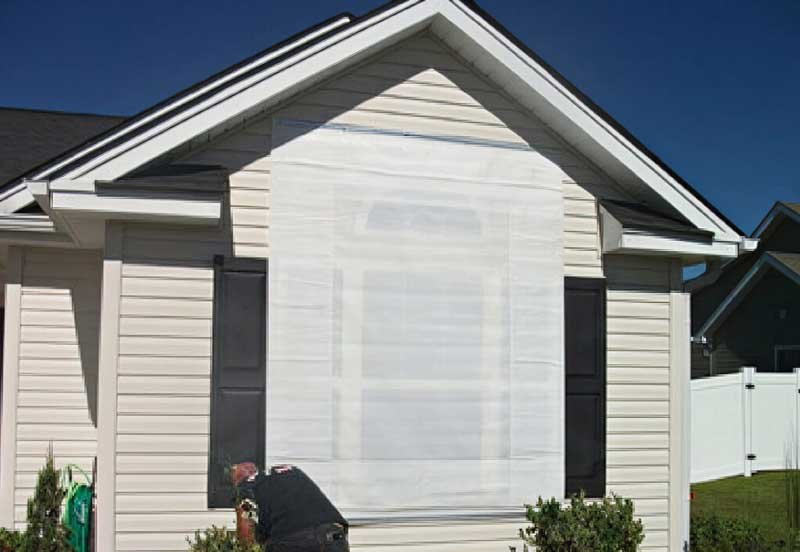
Hurricane season brings a familiar sense of dread for coastal homeowners. The standard routine usually involves wrestling with heavy, warped plywood while sweating through a humid weekend. If you decide to skip the plywood, the alternative often means paying exorbitant contractor fees for bulky, unattractive metal shutters. Traditional storm prep is physically exhausting and financially draining, but you no longer have to settle for these outdated methods.
Installing this fabric yourself is a highly approachable weekend project. You get the peace of mind that comes with premium protection while keeping contractor fees in your own bank account. Beyond the immediate savings, properly documented wind mitigation features can reduce the windstorm portion of your homeowners insurance premiums by up to 50%. By taking a DIY approach, you protect your family, upgrade your home, and save a massive amount of money in the process.
Why Choose Hurricane Fabric Over Plywood and Metal Shutters?
Hurricane fabric is a highly engineered, flexible textile designed to create a resilient barrier over your home’s vulnerable openings. It works by preventing rapid home pressurization, which is the primary cause of catastrophic roof lift-off during a storm. When high winds break a window, the sudden rush of air into the house pushes up against the roof. The fabric seals the opening and keeps that dangerous wind outside where it belongs.
Traditional preparation methods simply cannot compete with the convenience of modern textiles. Plywood is physically exhausting to handle, prone to rotting, and notoriously difficult to manage at the last minute. Metal shutters are expensive, visually unappealing, and prone to mechanical failures or rust over time.
A hurricane fabric installation provides a fast, streamlined way to prepare a property when severe weather is approaching, allowing panels to be secured efficiently without complex tools or heavy lifting. The material is designed for practical coverage across large openings, helping reinforce exposed areas such as lanais, patios, and other exterior spaces that are typically more vulnerable during high-wind events.
Unmatched Strength Against Extreme Weather
It is entirely normal to wonder if a piece of fabric can truly stand up to a raging hurricane. Rest assured that proprietary materials like AstroGuard and Astro-Tex are engineered to be three times stronger than competitor fabrics on the market. They are specifically tested to meet the strictest building codes in the country.
Modern storms are more powerful than ever before, and Category 5 hurricanes produce catastrophic, life-threatening winds exceeding 157 mph. Your DIY fabric system is built specifically to withstand these exact extreme forces.
Instead of shattering or denting upon impact, the fabric successfully catches flying debris like a trampoline. It absorbs the kinetic energy of flying branches or roof tiles and repels them away from your fragile glass windows.
Lightweight Design and Easy Storage
One of the most common questions homeowners ask is what to do with their storm protection when hurricane season ends. Plywood is notoriously annoying to store. It rots in the humidity, takes up massive amounts of garage space, and damages your home’s curb appeal if left up too long.
Hurricane fabric solves this problem entirely through its lightweight, flexible design. Once a storm passes, you simply unclip the panels, let them dry, and fold them up.
The material easily folds or rolls compactly into small, removable storage bags. Some homeowners even opt to keep them in built-in storage hoods located just above the patio or windows. This leaves your garage free of clutter and keeps your home looking beautiful all year round.
Protect Your Home and Save Thousands
Taking the DIY route offers incredible dual financial benefits. You avoid exorbitant labor costs right away, and you secure long-term savings on your homeowners insurance premiums.
Many people worry that doing the work themselves means compromising on their family’s safety. This is completely false. As long as you use Florida Approved materials bearing the certification code #FL11379-R5, your DIY installation will provide the exact same structural protection as a professional job.
Avoid Exorbitant Contractor Fees
Hiring a professional shutter company is a massive financial commitment. Currently, professional installation of fabric hurricane shutters can cost anywhere from $26 to $65 per square foot. When you multiply that cost across every window, door, and patio in your home, the final bill can easily exceed ten thousand dollars.
By cutting out the middleman and doing the labor yourself, those exact same premium materials become highly affordable. You are only paying for the fabric and the hardware.
You can frame this weekend DIY project as an immediate investment that pays itself off on day one. The money you keep by providing your own sweat equity can stay in your savings account for a rainy day.
Qualify for Wind Mitigation Insurance Discounts
The most critical question homeowners have is whether a DIY installation still qualifies for state insurance premium reductions. The answer is a resounding yes. Installing DIY hurricane fabric absolutely qualifies for wind mitigation discounts, provided the materials meet strict building code standards.
The financial incentive to upgrade your home is massive. In fact, state guidelines note the importance of proper protection:
High-quality fabric products are backed by a robust 5-year warranty and carry official state certifications. Once your installation is complete, you simply need to have a certified inspector visit your home. They will document your new DIY system and provide you with the formal paperwork required to submit to your insurance provider for your discount.
Conclusion
Hurricane fabric installation is a highly manageable, budget-friendly DIY project that does not force you to sacrifice professional-grade safety. You have the power to upgrade your home’s defenses using basic household tools and a few hours of your time.
By making the switch to modern storm textiles, you gain unmatched strength against extreme winds while enjoying a much simpler step-by-step mounting process. The rapid deployment factor means you will never scramble in a panic again, and keeping the contractor out of the equation guarantees thousands of dollars saved.