

Daily aches and pains can disrupt routines and decrease overall comfort. For those seeking alternatives to medication, natural remedies offer gentle yet effective support. The right strategies, when introduced into your routine, can help you manage discomfort and improve your well-being. For local expert support, consider visiting the ChiroCare Weston chiropractic and wellness center, which offers specialized chiropractic and wellness services that complement natural pain-relief methods.
Finding non-pharmaceutical ways to ease soreness can make a significant difference in how you feel throughout the day. Natural approaches such as dietary changes, therapeutic exercises, and stress reduction are foundational tools to support a pain-free lifestyle. Minor aches can result from anything from poor posture to overuse or stress, but with the right tools and knowledge, many people can improve without long-term medication.
Understanding Common Causes of Everyday Pain
Many people experience discomfort related to muscle overuse, repetitive movements, minor injuries, or even prolonged poor posture at work or home. Stress can also magnify these sensations, making small aches feel much worse. Before pursuing any treatment, it is important to pay attention to when pain arises, what triggers it, and if it improves or worsens with certain activities. This awareness helps identify whether you need rest, a specific remedy, or professional care.
Dietary Approaches to Reduce Inflammation
Adjusting your diet to include more anti-inflammatory foods can help ease everyday pain and support long-term health. Turmeric, recognized for its active ingredient curcumin, works as an anti-inflammatory that may reduce pain related to conditions like arthritis. Ginger, another potent root, contains compounds that may decrease inflammation and ease sore muscles. Adding these spices to meals or brewing them into tea can be a simple first step toward relief. According to Harvard Health Publishing, maintaining an anti-inflammatory diet may prevent or reduce chronic pain over time.
Heat and Cold Therapy
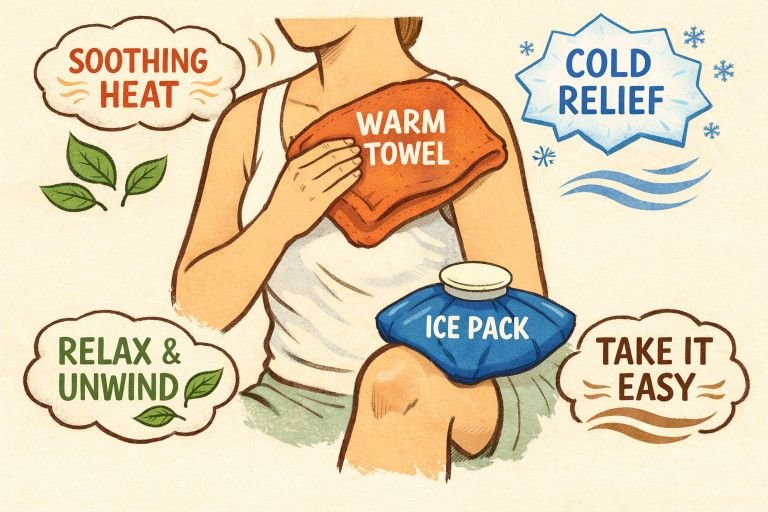
Simple heat and cold treatments are among the most accessible natural therapies for pain management. Applying heat to tense areas, such as with a warm towel or heating pad, increases circulation and relaxes muscles. This is particularly beneficial for chronic tension and stiffness. Cold therapy, typically in the form of ice packs, is best for acute pain and swelling following sudden injuries. Alternating between heat and cold, depending on the nature of your discomfort, often improves results and expedites recovery.
Beyond thermal applications, addressing structural misalignment can provide deeper relief. Seeking the expertise of a qualified Chiropractor in Glendale helps target spinal movement limitations that often perpetuate chronic muscle tension. These adjustments can enhance physical function and support the body’s natural recovery processes alongside standard home treatments.
Gentle Exercise and Stretching
Staying active is crucial for pain management, even when you are experiencing soreness. Low-impact movements like walking, swimming, and yoga help increase blood flow, flush out waste products from sore tissues, and decrease stiffness. Consistent stretching also improves your flexibility and posture, which are vital for preventing further pain. Always start slowly, listen to your body, and avoid pushing through severe discomfort. The Mayo Clinic recommends stretching regularly to maintain range of motion and decrease the risk of joint and muscle issues.
Mindfulness and Relaxation Techniques
Chronic or recurring pain often intensifies with stress. Mindfulness practices like deep breathing, meditation, or even simple visualization exercises help calm the nervous system. Regular practice of these techniques can minimize the impact of pain triggers and enhance the overall effectiveness of other remedies. Even five to ten minutes a day spent in mindful relaxation supports better pain control and emotional well-being, making it a sustainable long-term habit.
Herbal Remedies and Supplements
Certain herbal remedies and supplements have become popular for natural pain relief. Arnica gel, for example, is widely used for its ability to reduce muscle soreness, minor bruising, and swelling. Some people turn to fish oil, magnesium, or other anti-inflammatory supplements, but it is crucial to consult with a healthcare provider before starting anything new. This ensures that the solution matches your individual needs and does not interfere with any existing medical conditions or medications.
Additional Lifestyle Adjustments for Pain Management
Beyond nutrition and physical care, incorporating simple lifestyle changes can play a powerful role in pain reduction. Ensuring you get adequate sleep each night allows the body time to heal, reduce inflammation, and build resilience to daily stressors. Sleep deprivation, on the other hand, is often linked to increased sensitivity to pain and slower recovery times. Prioritizing rest and maintaining a consistent sleep routine is therefore an important component of any pain management plan.
Ergonomic improvements to your home or workstation can also help minimize daily strain and discomfort. Using chairs with proper lumbar support, positioning your computer monitor at eye level, and taking brief movement breaks throughout the day can prevent aches linked to repetitive strain or poor posture. For individuals who spend long hours sitting, incorporating posture checks and short stretches every hour can make a meaningful difference. Little adjustments, such as standing while talking on the phone or adjusting the brightness of screens, may further reduce irritation, particularly for those prone to headaches or neck pain.
Trying modalities like massage, acupuncture, or foam rolling can supplement other techniques when managing aches and pains. Regular massage therapy promotes circulation and relaxation, while practices such as acupuncture may offer relief for certain chronic pain conditions. Foam rolling allows for self-massage at home and is particularly useful for easing tightness in large muscle groups, like those in the legs or back. It’s important to choose strategies that fit your preferences and lifestyle so that you can maintain your routine for lasting relief and comfort.
When to Seek Professional Help
Natural approaches work well for mild to moderate, short-term discomfort. However, if you notice that pain continues to worsen, is severe, or is accompanied by symptoms like fever, numbness, or loss of function, consult your healthcare provider immediately. Professional advice can help identify serious underlying causes and ensure that you receive appropriate, safe treatment options.
By weaving these natural approaches into your daily routine, you can take meaningful steps toward managing aches and pains and supporting better overall health. Integrating these methods not only relieves symptoms but also helps foster a greater sense of balance and resilience in everyday life.