

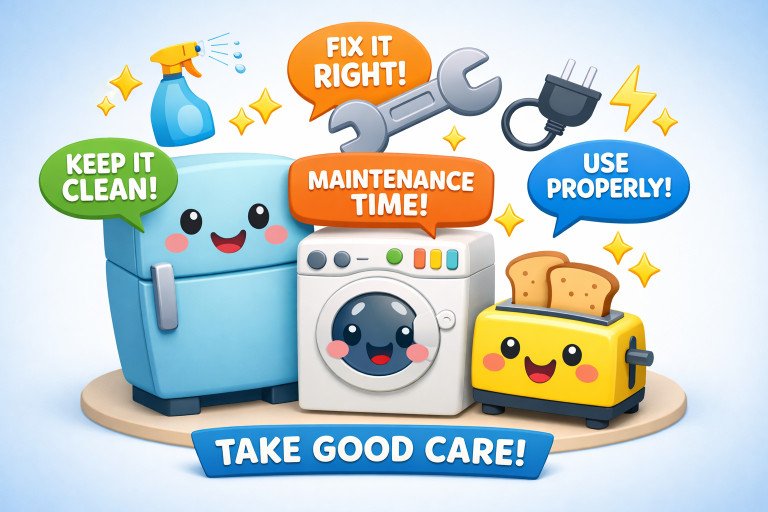
Introduction
Home appliances are indispensable for modern living, making daily routines more convenient and efficient. Despite their importance, these household investments often wear down sooner than expected when neglected. With some attention and routine care, you can maximize the durability and reliability of major appliances, benefiting your home’s efficiency and reducing long-term costs. Taking proactive steps, such as proper cleaning and timely repairs, ensures your appliances operate smoothly for years to come, minimizing disruptions to your daily life. If you ever require replacement parts for your appliances, resources such as Samsung Parts can be a practical starting point for acquiring reliable components. Extending appliance life also reduces environmental waste by keeping working devices out of landfills. Regular upkeep not only saves money but also helps conserve energy and natural resources. These benefits add up over time, making it worthwhile to prioritize appliance care in your home management routine.
Regular Cleaning and Maintenance
One of the most effective ways to extend the lifespan of home appliances is to perform regular cleaning and maintenance. Dust and dirt accumulation can cause appliances like refrigerators and dryers to work harder than necessary, decreasing efficiency and leading to premature breakdowns. For instance, cleaning your refrigerator’s condenser coils every six months can prevent the compressor from overworking, helping the unit run more efficiently. In washers and dishwashers, removing lint and debris from filters ensures optimal performance and reduces wear on moving parts. Paying attention to basic maintenance activities, such as wiping door gaskets and inspecting hoses for leaks or cracks, is vital for preventing bigger problems down the road.
Avoid Overloading Appliances
Many people unintentionally overload their washing machines or dishwashers in an effort to complete chores more quickly. However, this habit can damage internal components by causing belts, bearings, and drums to operate under undue stress. Overloading limits the washing action in laundries and reduces cleaning efficiency, ultimately leading to more frequent repairs or replacements. Manufacturers offer clear capacity guidelines; following these recommendations helps prevent long-term damage and keeps your appliance warranty valid. Appropriate loading also matters for small kitchen gadgets, like blenders and food processors. Running them beyond their designed limits can burn out motors or damage gears, dramatically shortening their lifespan.
Replace Filters and Seals Proactively
Filters and seals act as frontline defenders for many appliances, safeguarding the internal mechanisms from dust, moisture, and contaminants. For refrigerators with water dispensers, replacing filters every six months improves water quality and maintains appliance efficiency. Door gaskets on refrigerators, ovens, and washers should be checked for signs of cracking or looseness, as faulty seals can let air escape, forcing compressors or heating elements to work harder. Periodic inspection and proactive replacement of these components are among the easiest ways to maximize appliance lifespans, as highlighted by appliance experts in Consumer Reports’ guide to buying used appliances.
Addressing “Dirty Electricity”
Many homes experience fluctuations in electrical quality that can lead to appliance malfunctions. “Dirty electricity,” which consists of voltage spikes and surges, is generated by unstable power grids or interference from modern electronics. These fluctuations can cause sensitive electronics to overheat and fail earlier than intended. Solutions such as installing whole-home surge protectors, using dedicated circuits for high-powered appliances, and unplugging devices during electrical storms can safeguard against unnecessary damage. Addressing electrical issues not only improves appliance performance but also reduces the risk of costly repairs.
Proper Appliance Placement
The location of each appliance plays a crucial role in maintaining its performance and longevity. For example, refrigerators should be kept away from direct sunlight or heat-producing appliances, which would force the compressor to work overtime. Allowing adequate ventilation behind refrigerators and dryers is equally important; at least two inches of space is typically recommended. Appliances that sit unevenly can develop mechanical problems, so check that they are level and stable. Each of these steps helps reduce strain on moving parts, maintain energy efficiency, and extend your appliance’s lifespan.
Utilize Energy-Saving Features
Modern appliances often include built-in energy-saving features, such as eco-friendly wash settings, low-power standby modes, or vacation functions. Engaging these settings reduces wear on motors, compressors, and heaters, leading to longer service life. For example, dishwashers and washing machines now feature shorter wash cycles that use less water and energy while still achieving effective cleaning. Refrigerators may include power-saving options that automatically adjust temperatures during periods of low use, further reducing operational strain and utility costs.
Conclusion
Creating a habit of caring for your appliances through regular cleaning, mindful use, and proactive replacement of parts has long-term benefits. Familiarity with manufacturer instructions and energy-saving features helps you make informed decisions about appliance placement and care. Addressing electrical issues and following capacity guidelines can ultimately save money, protect the environment, and minimize household disruptions by preventing early breakdowns. With these practices in place, your home appliances will remain a dependable part of your daily life for years to come.