

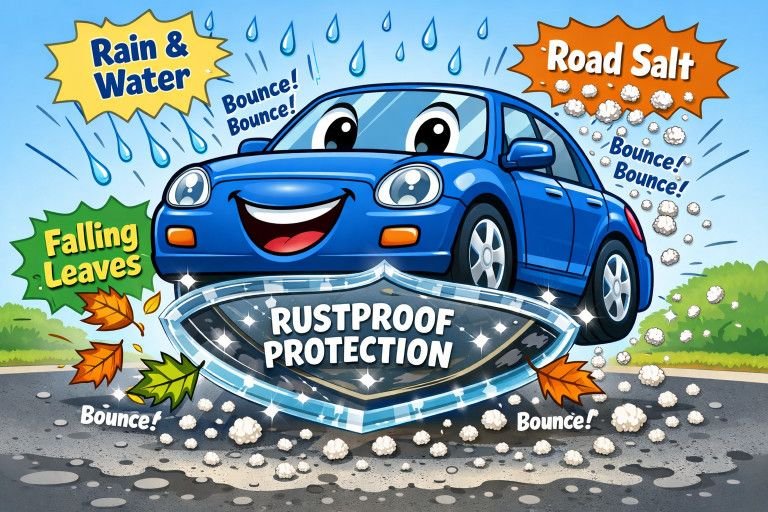
Every season brings its own hazards that threaten your vehicle’s metal body and frame. Whether you drive daily or just when it’s convenient, protecting your investment from rust is essential for dependable performance. Interested drivers also consider remote start installation to ease winter mornings and safeguard vehicle components from early wear.
Moisture, fluctuating temperatures, and especially road salt all contribute to a process that silently erodes the very materials your car relies on. Rustproofing is one practical approach to upholding automotive health for the long run and can be as vital as routine oil changes or tire rotations.
When deciding how to improve your car’s comfort and resilience across all climates, many owners also explore options like a remote car starter for added convenience and winter readiness. The benefits of these enhancements go hand in hand with long-term care, supporting both ease of use and protection against the elements.
Understanding Rust and Its Causes
Rust, also known as iron oxide, is the result of a chemical reaction between iron (or steel) and oxygen in the presence of moisture. Left unchecked, even a small patch of rust can quickly spread, weakening the structure and integrity of a vehicle’s metal parts. Environmental exposures such as rain, icy slush, lingering puddles, and, in particular, de-icing road salts accelerate the formation of rust. Not only is this a concern for vehicles living in northern or coastal regions, but it is an all-season issue due to humidity and pollutants everywhere.
As rust progresses, it not only impacts the vehicle’s appearance but can also penetrate frame rails, brake lines, exhaust systems, and body panels, increasing repair costs and potentially jeopardizing safety. According to Consumer Reports, the combination of moisture and salt can turn even newer sedans and SUVs into costly restoration projects if corrosion protection is neglected.
The Importance of Rustproofing
Rustproofing provides an added layer of protection for your vehicle’s most vulnerable surfaces. Combined with a remote car starter, this practice not only keeps your car warm and ready to drive but also prevents moisture, salt, and debris from entering critical crevices and seams, greatly reducing the likelihood of rust forming in the first place.
Structural Integrity: Frame and chassis corrosion compromises safety by undermining the support system designed to protect you in the event of a collision or extreme weather.
Longevity: With routine rustproofing, vehicles operate efficiently over many years, avoiding common pitfalls of premature aging and decay.
Resale Value: Cars with documented rust prevention are far more attractive to used-car buyers and tend to retain their value significantly better than those that have been ignored.
Types of Rustproofing Methods
Several different rustproofing methods are available to suit varying vehicle styles, regional climates, and individual needs. Choosing the most appropriate method depends on your driving habits, your vehicle’s age, and environmental exposures.
Undercoating: A thick sealant is sprayed beneath the car, creating a barrier against salt, gravel, and slush. This approach shields one of the most overlooked and abused portions of your automobile.
Electronic Modules: While controversial, these devices emit a weak electric current that purportedly reduces oxidation. Scientific support is limited, but some drivers use them as an added precaution.
Oil-Based Sprays: Professionals inject penetrating oil compounds into door panels, seams, and joints, which seep into cracks and repel both water and salt. This can be especially effective for older vehicles or those in high-risk zones.
Ideal Timing for Rustproofing
Getting your vehicle rustproofed before the harshest months of the year, ideally late fall, is a smart choice. By October, temperatures and humidity create optimal conditions for protective coatings to cure properly before winter, when the risk of exposure to salt and moisture is highest. Early fall appointments also help drivers beat the rush, ensuring their cars receive the best attention and avoiding winter wait times.
For those living in mild climates, rust can still be a problem due to year-round rain and coastal salt air. While a pre-winter application is ideal for many, spring and summer owners should not dismiss the benefits of protection during wet or humid periods.
Maintaining Rustproofing Effectiveness
Even after professional application, rustproofing needs inspection and occasional freshening to remain effective. Adhering to a maintenance schedule, much like oil changes, ensures long-term protection.
Regular Inspections: Check susceptible areas for chipping, scratches, or missed spots, and return for touch-ups as needed.
Reapplication: Many products remain fully effective for a year or more, but climates with heavy road salt or rugged terrain may require more frequent applications, as recommended by the manufacturer.
Keep It Clean: Consistently washing your vehicle, including the undercarriage, removes corrosive salt and debris that compromise rustproofing layers.
Common Misconceptions About Rustproofing
Some drivers believe that new vehicles with factory coatings do not need additional rust protection, or that rust formation is a risk only in winter. In reality, many OEM (Original Equipment Manufacturer) coatings offer limited, thin coverage and are not designed for the life of the vehicle. Regular inspection and aftermarket treatments provide comprehensive, lasting coverage.
“New Cars Don’t Need Rustproofing”: Factory protection is often minimal, especially in the most vulnerable lower panels and seams. Additional rustproofing offers an extra safety net that can make a substantial difference in longevity.
“Rustproofing Is Only Necessary in Winter”: Vehicles are at risk whenever they encounter humidity, rain, or salty air, so protection is important year-round.
Choosing a Professional Rustproofing Service
When selecting a technician or service center for rustproofing, it is important to evaluate them based on their reputation, level of expertise, and the comprehensiveness of their work. Start by reviewing past client ratings and researching companies that offer clear warranties. Coverage should include key risk areas such as wheel wells, frames, doors, and hood seams.
Reputation: Opt for businesses with consistently positive reviews and strong recommendations from community members or automotive forums.
Warranty: Choose services that include a warranty for future labor or touch-ups to help safeguard your investment.
Comprehensive Coverage: Complete protection covers hard-to-reach areas beneath moldings, inside panels, and along all exposed seams, not just the undercarriage.
Final Thoughts
Maintaining your vehicle’s structural integrity and appearance is easiest when rustproofing is made part of your regular care plan. The right proactive measures, from annual inspections to timely professional applications, deliver both year-round reassurance and lasting value. Pairing rustproofing with other seasonal upgrades ensures your vehicle can stand up to any challenge, providing safe, reliable transportation for years to come.