

Nutrition during pregnancy gets plenty of attention. After the baby is born, not so much. Most of the focus naturally moves to the newborn. Is the baby feeding properly? Is the weight going up? Is the baby sleeping? Are there enough wet nappies? All important questions. But there’s another person in the room who has just been through childbirth.
The mother is recovering too. There may have been blood loss, a long labour, surgery, stitches or simply weeks of physical exhaustion. Then breastfeeding can mean feeding every few hours, day and night. It’s a lot to ask of a body that’s still recovering. This is where food matters.
Eating Well After Having a Baby
Postpartum nutrition doesn’t have to mean some complicated meal plan. In actuality, an exhausted and tired new mother usually doesn’t need complicated advice. An excellent place to start is with regular meals that include adequate protein, iron, fruits, vegetables, whole grains, and healthy fats. Dairy, eggs, fish, meat, beans, and lentils can all offer beneficial nutrients. Water is also important, especially for nursing moms.
One nutrient that requires careful consideration is iron. Anaemia can be caused by blood loss after childbirth, and iron deficiencies may have existed throughout pregnancy. Persistent fatigue, weakness, headaches, or lightheadedness may be the outcome. Severe exhaustion may make daily duties much more difficult while caring for a baby. WHO recommends iron, with or without folic acid, for 6–12 weeks after childbirth in settings where anaemia is a significant public health problem. Of course, not every tired new mother is anaemic. That’s why symptoms need to be assessed rather than automatically blamed on lack of sleep.
Breastfeeding Changes Things
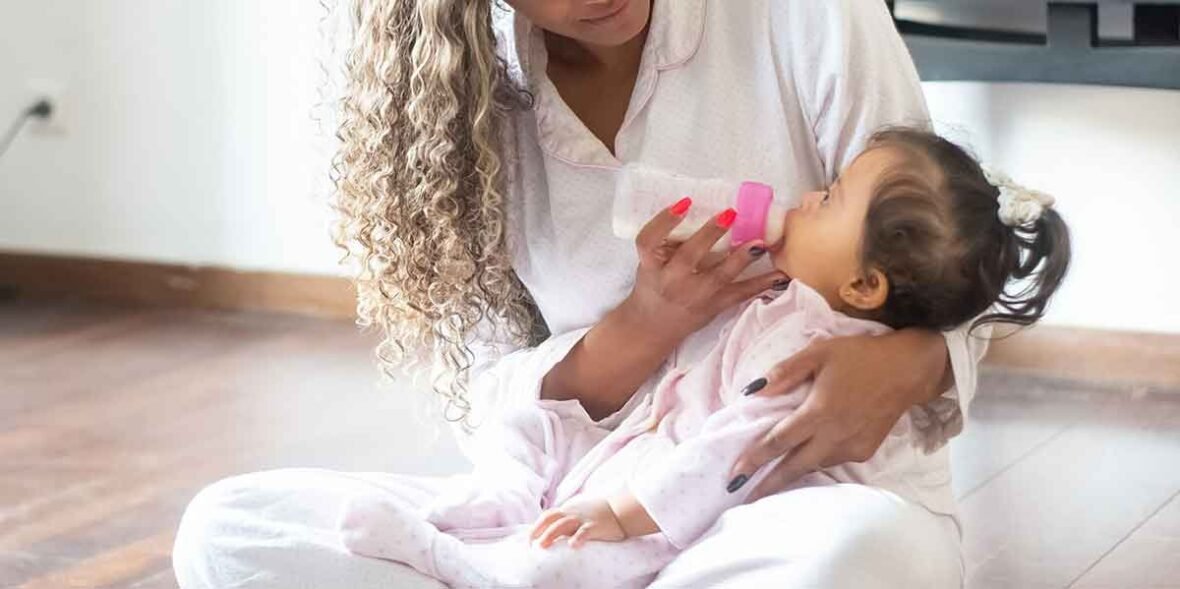
Additionally, breastfeeding raises the mother’s nutritional needs. UNICEF and WHO advise exclusive breastfeeding for the first six months of life and beginning nursing within the first hour after delivery. While a baby’s immune system is still developing, breast milk offers both nutrients and protective defence.
Breastfeeding can still be challenging. There’s sometimes an assumption that it should happen naturally and that mothers will simply know what to do. Real life is less straightforward. A baby may not latch properly. Feeding may hurt. A mother may worry that there isn’t enough milk. The baby may want to feed constantly and the mother may wonder whether something is wrong. These are the situations where proper support can be useful.
A trained health worker can check the latch, answer questions and spot problems that might otherwise go untreated. Sometimes the mother doesn’t need more information. She needs someone to actually help.
But What If Good Food Isn’t Available?
This is an important part of the conversation. Postpartum nutrition advice often assumes that nutritious food is readily available. It isn’t for everyone. A family dealing with food insecurity may have to choose cheaper, filling foods over foods that provide a wider range of nutrients. A mother living far from a healthcare facility may not be able to get a routine postnatal check-up. In some areas, there may simply not be enough trained healthcare workers to provide regular maternal and newborn care. So telling someone to “eat a balanced diet” only goes so far.
Access comes first. This is particularly relevant in low-resource communities, where pregnancy and childbirth can be accompanied by nutritional deficiencies, limited healthcare access and financial pressure at home.

The Mother Still Needs Care After Delivery
There’s a strange gap that can happen after childbirth. The baby is born safely, everyone is relieved, and attention quickly turns towards the baby’s health. But the mother’s healthcare doesn’t end at delivery. She may need to be checked for anaemia. She could require assistance with nursing. She can be experiencing discomfort, an infection, high blood pressure, or another postpartum issue. She could just need reinforcement that what she’s going through is normal. These can be easily overlooked, particularly in situations where access to postnatal care is challenging.
By combining clinical examinations, nutritional counselling, breastfeeding assistance, and medication when needed, maternal health programs can help close some of that gap. For people who want to support this type of work, a new mother Pakistan donation can help support maternal healthcare for women who may have limited access to these services.
Small Things Can Make a Real Difference
Postpartum nutrition doesn’t need to be perfect. A mother doesn’t need an expensive diet or a cupboard full of supplements. She needs enough food. She needs nutritious options where possible. She needs access to medical care when something doesn’t feel right. And if she is breastfeeding, she needs practical support rather than pressure.
There’s also a bigger point here. A healthy newborn depends, in part, on a mother who’s healthy enough to feed, recover and provide care. Supporting one while ignoring the other blurs out certain parts of the picture.
Even if all goes according to plan, the first several months following delivery can be difficult. Mothers who experience food hardship or have limited access to healthcare may find it much more difficult. Making maternal nutrition and postnatal care more accessible is one fairly straightforward way to improve the start that both mother and baby get.