

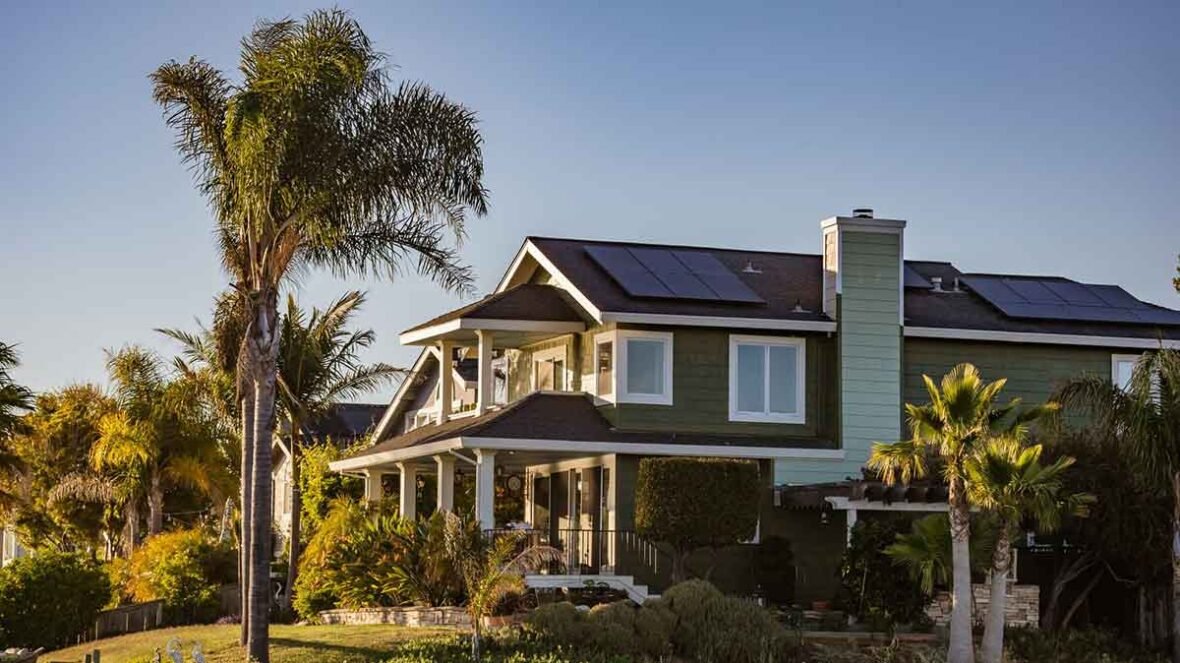
Living off-grid can look very appealing, especially when the idea is having a property that doesn’t depend completely on the usual utility services. But there’s quite a bit more to it than putting solar panels on the roof. Water, electricity, heating, waste and even food storage all need some thought. If one system stops working, there should ideally be another option available. That’s where planning the property properly makes a difference.
Water Comes First
A reliable water supply is one of the biggest things to sort out. Rainwater collection is a fairly practical starting point. Water from the roof can be directed into storage tanks or larger cisterns and then used for things like irrigation, cleaning and other household purposes.
How much storage is needed depends on the property? The amount of water used, the size of the roof, and the amount of rainfall all have an impact. Naturally, a home that receives frequent rains will require a different layout than one that has extended dry spells.
Water consumption is another matter. Before collected rainwater is considered fit for human consumption, it must be properly treated. A system might include sediment filters, carbon filters, UV treatment, or reverse osmosis, depending on the source and water quality.
If the property is located in an ideal region, groundwater may potentially be a possibility. It takes more than just digging a hole and installing a pump to supply a reliable source. It’s necessary to first verify groundwater conditions, local rules, depth, and pollution threats. At a wider community level, projects that build water well infrastructure can make a similar difference by giving people access to a more dependable water source. Private well owners also need to remember that clear-looking water isn’t necessarily safe water. The EPA’s information on private wells recommends regular testing and explains some of the common contaminants that can affect groundwater.
Solar Is Only Part of the Setup
Solar power is probably the first thing most people think about when they hear “off-grid.” Panels are important, obviously, but they aren’t the whole system. An off-grid solar setup also needs an inverter, batteries and the right electrical controls. Battery storage is especially useful because the sun isn’t available when electricity demand can still be high. Power generated during the day can be stored and used later for lights, refrigeration, pumps and other equipment. It also helps to look at how much electricity the property actually uses.
Replacing old appliances with efficient ones can sometimes make more sense than simply adding more panels. LED lighting, efficient refrigerators and heat-pump systems can all reduce demand. The U.S. Department of Energy’s guidance on solar and resilience also explains how solar and battery storage can help maintain essential power when the main grid is unavailable.
What Happens to Waste?
There’s no municipal waste or sewage system to rely on in many off-grid locations, so this needs to be planned early. Composting toilets are one option. They use little or no water compared with conventional toilets and can work well in the right property and climate.
Greywater is another area to consider. Water from showers and sinks can sometimes be reused for landscaping, but it needs to be handled correctly. Local rules matter here, and not every type of household wastewater is suitable for reuse.
Then there’s ordinary organic waste. Food scraps, leaves and garden waste can be composted instead of constantly being removed from the property. The resulting compost can eventually go back into the garden. Nothing particularly complicated about that. It just takes a little planning.
Growing Food at Home
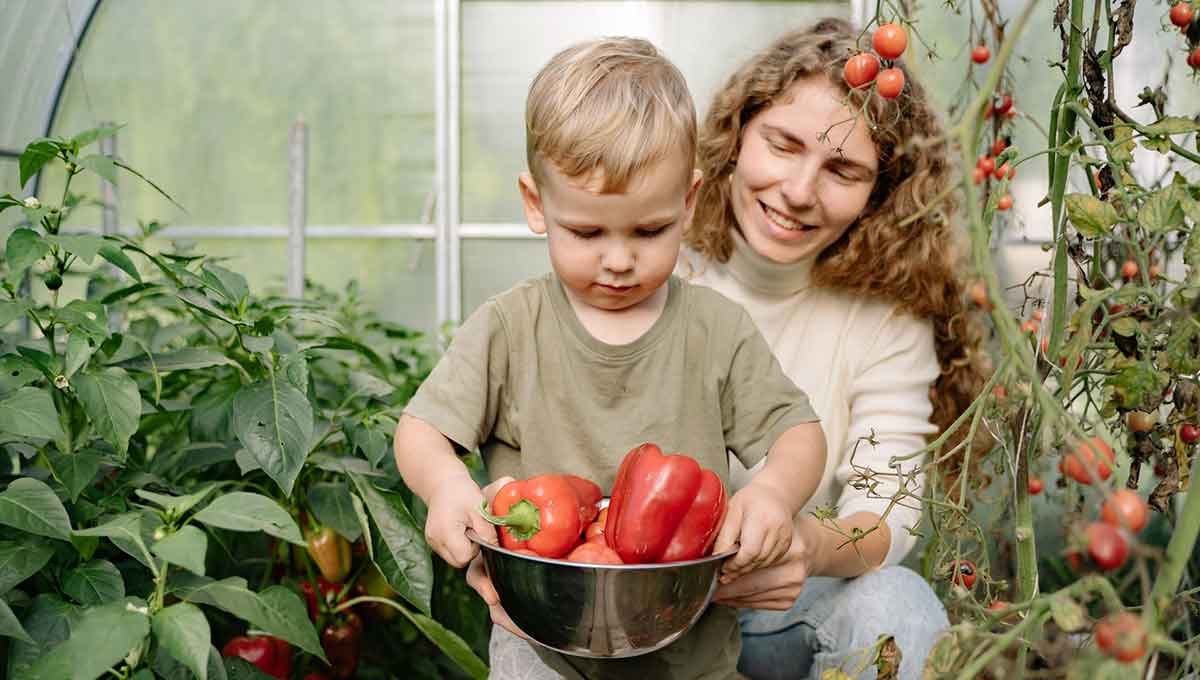
An off-grid property doesn’t have to produce everything its occupants eat. A little garden can be beneficial. A greenhouse, fruit trees, herbs, and raised beds can produce fresh food for at least a portion of the year. When the growing season is brief, a greenhouse might also be useful.
Particularly in arid regions, water consumption must be taken into account. Drip irrigation can direct water toward plant roots instead of wasting it across the surrounding soil. There’s also no need to start with a huge garden. A few crops that grow well locally are usually more practical than trying to grow twenty different things and struggling to maintain all of them.
Heating and Cooking
Electricity isn’t the only energy requirement. Heating and cooking can put a significant load on an off-grid system, particularly during winter. Depending on the location, options might include a heat pump, wood stove, propane equipment or another suitable source. The right choice depends heavily on the climate and the property itself.
If firewood is part of the plan, it needs to be stored somewhere dry with good ventilation. Wet wood is less effective and produces more smoke. Cooking deserves a backup option too. If several days of poor weather reduce solar generation, having another way to cook can be useful.
It’s a small detail, but these are the things that tend to matter when an off-grid system is actually being used.
Keep the Systems Connected
The biggest mistake is looking at every upgrade separately. The water system affects the energy system because pumps need electricity. The garden affects water consumption. Composting can support food production. Battery storage affects how much solar power is needed. Everything connects.
A good off-grid property doesn’t necessarily need the most expensive equipment available. It needs systems that match the property, the local climate and the people using it. The aim is fairly simple: use less, waste less and have alternatives when something goes wrong. That’s what makes a property genuinely more self-reliant. Not having every possible off-grid gadget, but having a setup that keeps working when the usual services aren’t there.