

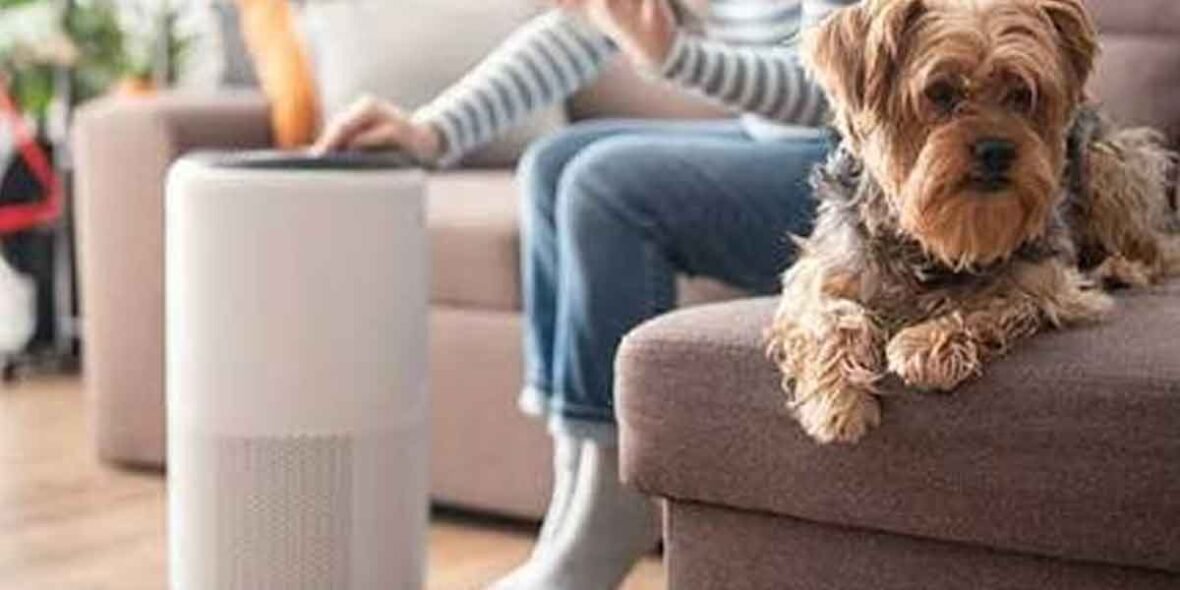
The indoor air quality and health connection starts with a number: Americans spend about 90 percent of their time indoors, per the EPA, and the American Lung Association reports that indoor air can be two to five times more polluted than outdoor air, sometimes up to 100 times. Short-term effects include eye, nose, and throat irritation and headaches, while longer-term exposure is linked to worsening asthma, respiratory illness, and, for specific pollutants like radon, lung cancer. Children, older adults, and people with asthma, COPD, or heart disease face higher risk.
Health claims in this area trace to the EPA, the American Lung Association, or a peer-reviewed review, and comfort observations stay labeled as comfort.
It is general information, not medical advice.
Indoor Air Quality and Health: What the Evidence Shows
Indoor pollutants fall into six groups, and the table below separates what is documented by public-health agencies from what is mostly a comfort complaint.
The distinction matters because the two need different responses.
| Pollutant | Common source | Documented effect | Comfort or health claim |
|---|---|---|---|
| Carbon monoxide (CO) | Gas appliances, attached garage, portable heaters | Headaches and nausea; life-threatening at high levels | Health – emergency stop point |
| Radon | Soil gas entering through foundations | Lung cancer risk with long-term exposure | Health – documented |
| Particulate matter (PM2.5) | Cooking, candles, smoke, fireplaces | Can worsen asthma and heart conditions | Health – documented |
| Volatile organic compounds (VOCs) | Paint, cleaning products, new furniture | Eye and respiratory irritation; some linked to longer-term effects | Comfort plus health |
| Mold and moisture | Damp surfaces wet more than 24 hours | Allergy symptoms and asthma flare-ups | Health – documented |
| Dust mites and pet dander | Bedding, upholstery, pets | Sneezing, congestion, asthma triggers | Comfort plus health |
The EPA’s introduction to indoor air quality is the reference for the pollutant list and its health effects.
The pattern to keep: CO and radon are the two with the most serious documented consequences, and both are worth testing for regardless of symptoms.
These pollutants come from ordinary life, not exotic sources: cooking, cleaning products, candles, new furniture, pets, and the attached garage. The PMC/NIH review of indoor air quality and health catalogs exactly these sources, which is why the problem shows up in well-insulated homes where the same activities trap the same emissions.
Who Is Most Vulnerable
Children, older adults, pregnant people, and anyone with asthma, COPD, heart disease, or a weakened immune system are more vulnerable to indoor air pollution. The same exposure that causes mild irritation in a healthy adult can trigger a serious response in these groups.
The reasons are exposure and physiology.
Children breathe more air per pound of body weight and their lungs are still developing; older adults and people with chronic conditions have less reserve when their airways or heart are stressed. The EPA lists these groups explicitly, and the practical reading is that the bar for fixing a suspected indoor air problem drops when one of them lives in the home.
Pregnancy is another vulnerable window. The same agencies that flag children and the elderly include pregnant people in the higher-risk group, and the practical implication is the same: address known sources like unvented gas stoves, secondhand smoke, and damp areas before they become the baseline air a newborn breathes.
This is also where the comfort-versus-health line matters most. A stuffy room is a comfort problem for a healthy adult and a real health consideration for a child with asthma, so the same symptom gets different weight depending on who breathes the air.
The threshold question for a vulnerable household is simple: if symptoms flare at home and fade elsewhere, the indoor environment is the first thing to change, not the last.
The Signs: Comfort Complaints vs Health Symptoms
Most indoor air problems announce themselves with symptoms, and the useful test is whether they improve away from home: if headaches or congestion fade after a day out of the house, an indoor source is likely. Symptoms with no pattern, or that persist everywhere, need a healthcare evaluation rather than an HVAC diagnosis.
Comfort complaints are the everyday category: dry eyes, stale air, uneven temperatures, mild stuffiness. They point at ventilation and humidity, not at a pollutant, and they respond to fresh air and source control before anything else.
Humidity sits between the two categories.
Indoor humidity that stays above 60 percent feeds mold and dust mites, while very dry air irritates eyes and skin, and the EPA treats humidity as a factor in both comfort and documented allergy outcomes. A simple hygrometer turns that variable into a number you can act on.
Health symptoms are the category that matters: asthma attacks that worsen at home, repeated respiratory infections, nosebleeds, or headaches that track with being in the house. If symptoms improve away from home for a day or two, treat the home air as the suspect and work through source control, ventilation, and filtration in order.
Two situations are emergencies, not home projects. Symptoms of carbon monoxide exposure, which include headache, dizziness, nausea, and confusion, mean leave the house and call your utility or emergency services. Visible mold on porous materials like drywall or carpet, after a leak or flood, means stop and get a professional assessment, because the EPA notes that mold can start growing on wet materials within 24 hours.
Combustion safety extends beyond CO. Any gas, oil, or wood appliance should be serviced on the manufacturer’s schedule, because incomplete combustion produces the byproducts that show up in indoor air, and this is the one area where the maintenance schedule and the health checklist overlap.
Regular mechanical checkups ensure cooling equipment runs properly without circulating unwanted dust or debris throughout living spaces. Consulting a qualified air conditioning contractor can help identify issues like clogged coils or improper airflow before they impact indoor comfort and overall household air quality. Routine care supports balanced humidity levels and better overall system performance over time.
Reducing Exposure: Source Control, Ventilation, and Filtration
Exposure reduction runs in three steps, in order: remove the source, bring in fresh air, and filter what remains.
Most homeowners skip straight to filtration, which is step three, and then wonder why the problem persists.
Source control is the highest-impact step. Fix leaks and dry wet materials within 24 hours, do not smoke indoors, vent the kitchen when cooking, and run the bathroom exhaust after showers. Removing the source costs little and reduces the pollutant load that no filter can fully remove.
Ventilation is the second step: open windows when outdoor air is acceptable, run exhaust fans, and make sure the HVAC system is set to bring in fresh air where it has that option.
In tightly insulated homes, the pollutants from cooking, cleaning, and daily life get trapped, which is why the ventilation step matters more than it used to.
Filtration is the third step and the one that keeps working when the others cannot. A MERV-rated filter in the HVAC system, or a standalone air purifier sized for the room, removes particles the house keeps generating, and the best filters for indoor air quality guide compares the options. Filtration does not fix a mold source or a combustion leak; it handles airborne particles.
Testing has a place but a narrow one. Radon and carbon monoxide have inexpensive home test kits and should be tested regardless of symptoms, while general air quality monitors give numbers that are hard to interpret without a baseline. Start with the two tests that have clear public-health action levels.
Keep a short log before you buy anything: when symptoms appear, what room you were in, and what changed in the house that week. Two weeks of that log tells you more than any sensor, and it is the same triage a healthcare provider would ask for.
Indoor Air Quality and Health FAQ
Can poor indoor air quality make you sick?
Yes. The EPA documents short-term effects like irritation and headaches and links longer-term exposure to worsening asthma and respiratory illness, with radon carrying a lung cancer risk. Symptoms that improve away from home point at an indoor source.
How to tell if the air in your house is making you sick?
Track whether symptoms like headaches, congestion, or asthma flare-ups improve after a day out of the house. If they do, an indoor source is likely; if they do not, see a healthcare provider before diagnosing the house.
How does indoor air pollution affect people’s health?
Short-term exposure can cause eye, nose, and throat irritation and headaches; longer-term exposure is linked to worsening asthma, respiratory illness, and radon-related lung cancer risk. Children, older adults, and people with chronic conditions are affected most.
What are signs of poor indoor air?
Common signs are stale or stuffy air, symptoms that appear at home and fade away from it, condensation on windows, and musty odors. The strongest signs are asthma flare-ups at home and symptoms that track with being in the house.
General information is not a substitute for medical advice. If you or a family member have persistent symptoms, talk to a healthcare provider, and if you suspect carbon monoxide, leave the house and call for help.
Start with the source, add fresh air, and let filtration handle what remains, in that order. The indoor air quality and health work is done when the source is gone, fresh air moves, and the filter keeps working.