

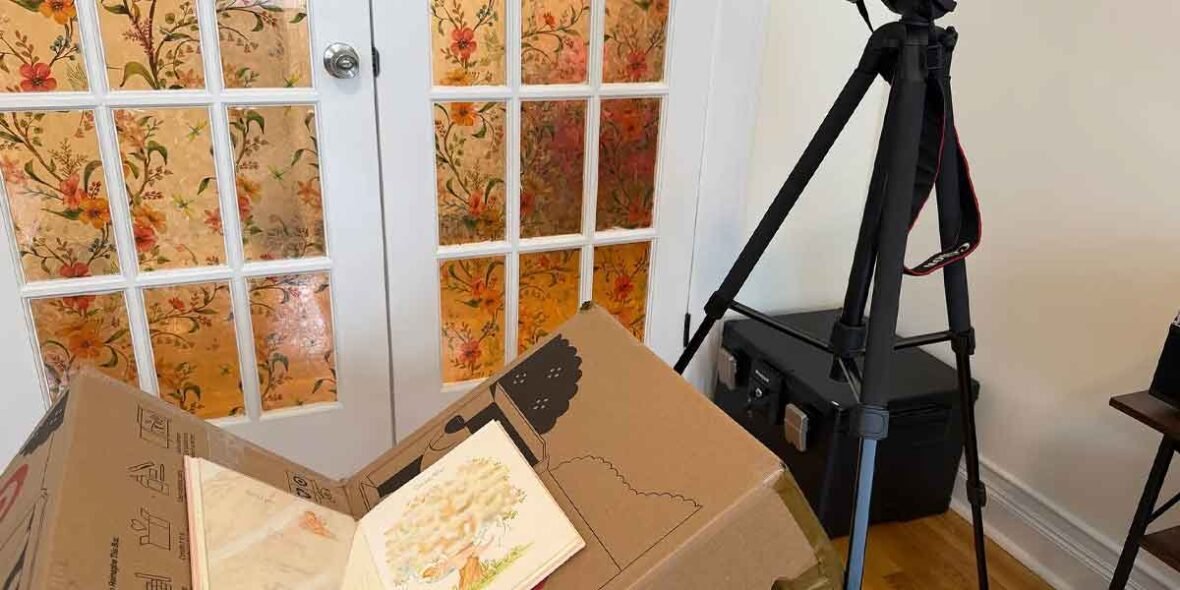
Family memories were once limited to physical photo albums, dusty storage boxes, and fading paper records. If something was lost during a house move, damaged over time, or simply misplaced, recovering it could feel impossible. Today, digital technology is changing that completely.
Modern tools and online archives are helping families rediscover photographs, reconnect with personal history, and preserve memories that may have otherwise disappeared forever. From restoring damaged images to recovering school records, digital platforms are making memory recovery easier and more accessible than ever before.
- Searching Digital Yearbook Archives
One of the most common ways people recover lost memories is through online yearbook archives. Digitized school records allow users to search for:
- Old school photographs
- Graduation pictures
- Club activities
- Sports teams
- Classmate records
- School events
For many families, these yearbooks contain rare images of parents, grandparents, or relatives during earlier stages of life.
Platforms designed to help users answer questions like Where can I find my old yearbook pictures have become increasingly popular as more archives move online.
What once required visiting libraries or contacting schools can now often be done entirely online within minutes.
- Using AI Photo Restoration Tools
Artificial intelligence has dramatically improved photo restoration technology. Families are now using AI-powered software to:
- Repair damaged photographs
- Sharpen blurry images
- Restore faded colors
- Remove scratches and marks
- Improve image quality
This allows old photographs that were previously difficult to view to become usable again.
Many families are digitizing ageing photo collections specifically so these restoration tools can preserve important memories before physical deterioration becomes worse.
- Creating Shared Family Cloud Archives
Cloud storage platforms have become an increasingly popular way for families to organize and preserve memories collectively.
Instead of storing photographs in separate boxes or hard drives, families now create shared digital archives containing:
- Family photos
- Videos
- Documents
- Voice recordings
- Letters
- Historical records
These archives allow relatives across different locations to contribute their own materials, helping families piece together larger parts of their shared history.
Cloud storage also protects memories from physical damage caused by floods, fires, or accidental loss.
- Reconnecting Through Social Media Communities
Social media has unexpectedly become a major tool for recovering forgotten memories. Local history groups, school alumni pages, and genealogy communities regularly help people identify old photographs and reconnect with former classmates or relatives.
Families often use online groups to:
- Share unidentified photos
- Locate lost relatives
- Recover school memories
- Find archived community images
- Gather historical information
In many cases, strangers online help uncover details that families had been searching for unsuccessfully for years.
- Exploring Genealogy and Family History Platforms
Genealogy websites have expanded far beyond traditional family tree building. Many platforms now contain massive digital archives filled with:
- Census records
- School documents
- Newspaper articles
- Military records
- Marriage certificates
- Historical photographs
Families use these tools to better understand previous generations and uncover stories that may have been forgotten over time.
For many users, recovering photographs becomes part of a larger effort to preserve family identity and heritage.
- Digitizing Physical Photo Collections
Many families are now actively scanning older photographs and documents to preserve them digitally before they deteriorate further.
This process often includes:
- Scanning albums
- Organizing digital folders
- Adding names and dates
- Restoring damaged images
- Backing up files online
Digitization makes it easier for younger generations to access family memories without relying on fragile physical collections.
It also allows important memories to be duplicated and shared safely across family members.
- Using Facial Recognition to Identify People in Photos
Modern facial recognition technology has made sorting old image collections far easier. Some digital platforms can now identify recurring faces across thousands of photographs automatically.
This helps families:
- Organize archives faster
- Identify unknown relatives
- Group photos by person
- Discover forgotten connections
For older collections with limited labels or missing information, this technology can provide valuable clues that would have once required extensive manual research.