

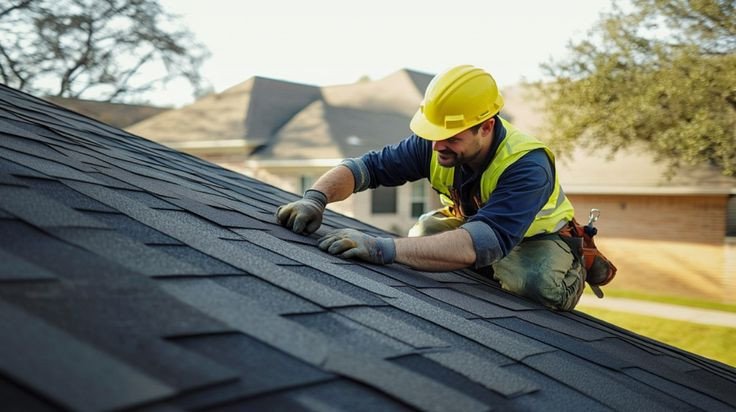
When you walk through a neighborhood, it’s easy to assume that all roofs should wear down at roughly the same rate. After all, the homes are exposed to similar weather conditions, temperatures, and seasonal changes. However, a closer look often reveals a surprising truth: some roofs age much faster than others even when they’re just a few houses apart.
Understanding why this happens can help homeowners take smarter steps to protect their investment and extend the lifespan of their roof. Let’s explore the key factors that influence uneven roof aging.
1. Sun Exposure and UV Damage
Sunlight is one of the biggest contributors to roof deterioration. Roofs that face south or west typically receive more direct sunlight throughout the day. Over time, ultraviolet (UV) rays break down roofing materials, causing shingles to dry, crack, and lose their strength.
In contrast, roofs that are partially shaded may avoid intense UV exposure but can experience higher moisture retention. This difference alone can create noticeable variations in how quickly roofs age within the same neighborhood.
2. Roof Drainage and Water Flow
Proper drainage is essential for maintaining a healthy roof. Even small differences in roof slope, gutter placement, or installation quality can affect how efficiently water is directed away.
Roofs with poor drainage tend to collect standing water, which can seep into materials and lead to mold, rot, and leaks. On the other hand, homes with well-maintained gutters and effective water flow systems experience less damage over time.
3. Surrounding Environment and Vegetation
The environment around a home plays a major role in roof longevity. Houses surrounded by trees often deal with falling leaves, branches, and organic debris. While trees provide shade, they also create conditions where moisture gets trapped on the roof surface.
This damp environment encourages the growth of moss and algae, which can weaken roofing materials and shorten their lifespan. Meanwhile, homes in open areas may face stronger winds that can loosen shingles and expose the roof to further damage.
4. Ventilation and Temperature Control
Proper attic ventilation is another critical factor that affects how quickly a roof ages. A well-ventilated attic allows heat and moisture to escape, preventing buildup under the roof.
Poor ventilation, however, can trap heat inside the attic. This causes shingles to “bake” from below, accelerating wear and tear. In colder months, inadequate ventilation can also lead to ice dams, which force water beneath shingles and cause structural damage.
5. Quality of Installation
Even in newly built neighborhoods, not all roofs are installed with the same level of care. Small differences in workmanship can have long-term consequences.
Improperly installed flashing, misaligned shingles, or the use of low-quality materials can cause a roof to deteriorate much faster than expected. A well-installed roof, on the other hand, provides better durability and resistance to environmental stress.
Installation quality matters just as much at the other end of a roof’s life, because once an aging roof finally wears out, the crew handling the replacement determines how long the new one lasts, which is why homeowners in wet climates like the Pacific Northwest hire a specialist for roof replacement in Vancouver and the surrounding WA and OR area rather than the cheapest bid.
6. Maintenance and Upkeep Habits
Regular maintenance is one of the most important factors in determining how long a roof will last. Homeowners who schedule inspections and address minor issues early can significantly extend the life of their roof.
Simple tasks like clearing gutters, replacing damaged shingles, and checking for leaks make a big difference. Additionally, investing in professional roof cleaning helps remove dirt, algae, and debris that can otherwise accelerate roof deterioration. Clean roofs not only look better but also perform better over time.
7. Weather Micro-Conditions
Even within the same neighborhood, subtle differences in positioning can create micro-climates. For example, one home may be more exposed to strong winds, while another might receive slightly more rainfall due to its location.
These small variations can influence how roofs respond to environmental stress, leading to noticeable differences in aging over the years.
8. Roofing Materials and Their Lifespan
Not all roofing materials are created equal. Asphalt shingles, metal roofing, clay tiles, and slate all have different durability levels and maintenance requirements.
Even when homes appear to use the same materials, differences in product quality or brand can impact how long the roof lasts. Higher-quality materials generally offer better resistance to weather, UV rays, and moisture.
Final Thoughts
The reason some roofs age faster than others in the same neighborhood comes down to a combination of factors rather than a single cause. Sun exposure, drainage efficiency, surrounding environment, ventilation, installation quality, and maintenance all work together to influence a roof’s lifespan.
By understanding these factors, homeowners can take proactive steps to protect their roofs. Regular inspections, proper maintenance, and services like professional roof cleaning can go a long way in preserving both the appearance and durability of your roof.