

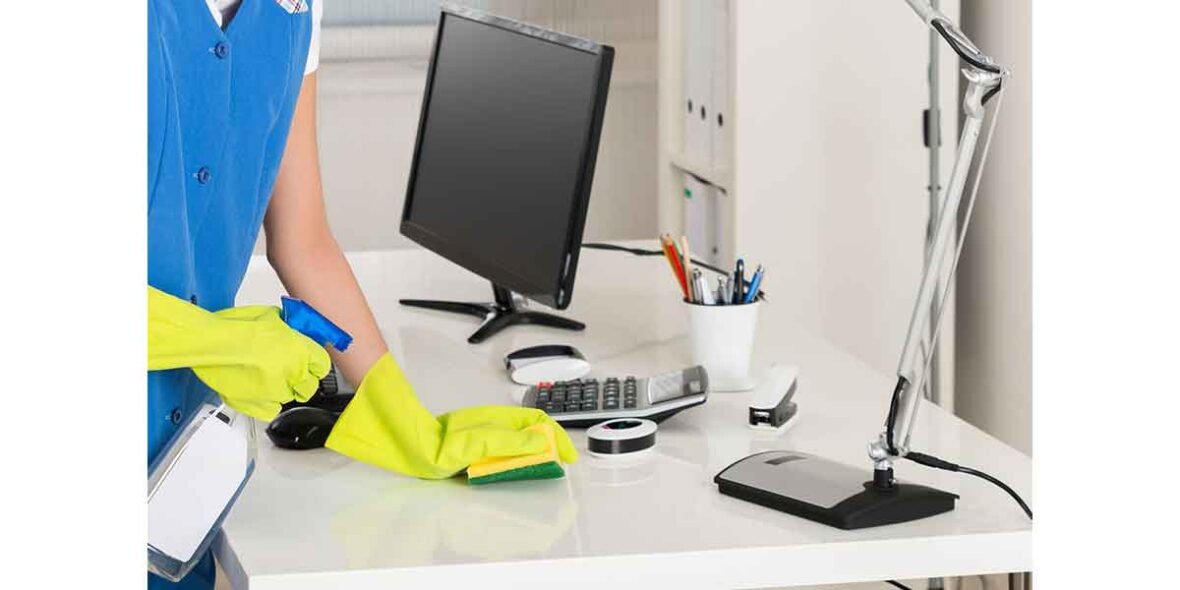
Maintaining a clean office environment creates a positive impression for visitors and is crucial for employee health and productivity. Implementing consistent office cleaning routines not only mitigates the spread of germs but also supports the overall well-being of everyone entering your facility. Many businesses achieve optimal results by partnering with professionals who provide commercial cleaning services, ensuring high standards and a consistently spotless workspace.
From reducing allergens to addressing overlooked areas, the benefits of thorough office cleaning are clear. Traditional cleaning focuses on appearance, but today’s best practices consider air quality, sustainability, and the role each employee plays in maintaining order. A healthy office goes beyond first impressions, directly impacting mood, absenteeism, and even company culture. Creating structure around cleaning is one of the most effective ways to foster an environment that supports productivity and good health.
Developing a Regular Cleaning Schedule
Just as deadlines keep team projects on track, a well-organized cleaning schedule ensures that every area of the office receives the attention it needs. Assign daily responsibilities, including desk and communal touchpoint sanitation. Weekly and monthly tasks may include vacuuming, window cleaning, and thorough floor care. Having a visible schedule helps staff understand when each task is being completed and by whom, preventing dust buildup and promoting overall employee wellness. Following a consistent schedule is also proven to reduce long-term cleaning costs and extend the lifespan of office furnishings, according to the U.S. Environmental Protection Agency (EPA).
Focusing on High-Touch Surfaces
Areas such as door handles, elevator buttons, light switches, keyboards, and shared technology quickly collect germs throughout the workday. These high-frequency touchpoints need frequent disinfecting, particularly during flu season or when viral outbreaks are a concern in the community. Making disinfecting wipes and hand sanitizer easily accessible supports staff in maintaining a clean environment, allowing everyone to take quick action and further reduce the risk of infection spread.
Ensuring Proper Air Quality
The quality of indoor air is as important as the cleanliness of desks or kitchen counters. Airborne particulates can increase the risk of allergies and respiratory ailments, especially when windows remain closed for much of the year. Pay special attention to regularly cleaning office carpets and upholstered chairs, and to ensuring HVAC filters are kept up to date. The integration of air purifiers and plants can further support a fresher atmosphere. As reported by the U.S. Environmental Protection Agency, improved air quality can enhance decision-making and cognitive function among office workers.
Encouraging Personal Responsibility
Maintaining cleanliness is a team effort. Encouraging employees to keep their individual workspaces tidy ensures day-to-day order. Training in basic hygiene practices, such as regular handwashing and safe food storage, builds a shared sense of accountability. Providing staff with the resources and knowledge they need reinforces the message that everyone plays a role in creating a healthier office culture, supporting a more cohesive and motivated team.
Utilizing Eco-Friendly Cleaning Products
Many modern offices are seeking to minimize their environmental impact while maintaining a clean workspace. Eco-friendly cleaning products, typically made without harsh chemicals, are less likely to trigger allergic reactions or other health concerns among staff. These sustainable options also reduce pollution, improve air quality, and reflect well on companies that want to highlight corporate responsibility. Simple swaps, such as using biodegradable wipes and non-toxic sprays, can make a marked difference in both environmental footprint and employee satisfaction.
Implementing Periodic Deep Cleaning
Even the most rigorous daily routines leave some areas unchecked. Scheduling periodic deep cleaning, whether quarterly or biannually, tackles tasks like steam-cleaning carpets, washing blinds, or sanitizing vents. Deep cleaning reaches the hidden nooks where dirt and bacteria accumulate, complements day-to-day upkeep, and can even extend the longevity of the building’s fixtures and flooring. These extra efforts set the standard for excellence and reinforce care for both the workplace and its occupants.
Maintaining Restrooms and Break Areas
Restrooms and communal kitchens are prime locations for bacteria, requiring more frequent attention. Ensure surfaces are disinfected several times daily, trash is removed frequently, and soap and paper supplies are always available. Consider adopting touch-free dispensers and regular checks throughout the workday. A clean break area not only supports staff hygiene but also boosts morale, reflecting a genuine commitment to the health and comfort of everyone on site.
Conclusion
Proactive office cleaning practices are central to creating a safe, welcoming, and efficient work environment. Developing a regular cleaning schedule, prioritizing high-touch surfaces, maintaining air quality, encouraging personal responsibility, using eco-friendly products, incorporating deep cleaning sessions, and taking special care of restrooms and break areas together form a comprehensive strategy for workplace wellness. Commitment to these practices reduces absenteeism, contributes to employee happiness, and demonstrates respect for everyone who enters your business.