

Small warning signs inside homes are often ignored until expensive repairs suddenly appear. Modern homeowners are constantly shown quick cleaning hacks and fast repair tricks though real home protection usually depends on consistent preventive care instead. Moisture, poor airflow and neglected maintenance quietly spread into larger problems because homes rarely break down all at once.
In this blog, we will explore why preventive home care protects homes far more effectively than reacting to issues after they escalate.
Quick Fixes Usually Hide Bigger Problems
Many homeowners focus on solving visible symptoms instead of identifying deeper causes. A stain gets painted over quickly. An unpleasant smell gets masked temporarily with air fresheners. Cleaning sprays get used repeatedly while the actual source remains untouched.
This habit becomes especially risky inside kitchens, laundry rooms, and storage spaces where moisture and food debris quietly collect. Cockroaches are often one of the earliest warning signs that hidden maintenance issues may already exist inside a home. Crumbs beneath appliances, humidity near pipes, and overlooked cabinet corners create conditions where problems continue growing unnoticed. DIY solutions do not really work, regardless of how convincing YouTube videos might make them seem. Smart homeowners opt for the best cockroach extermination solutions to avoid long-term infestations, property damage, and potential health concerns caused by bacteria and allergens.
Ignoring these warning signs for too long can also affect the overall comfort and cleanliness of a home. Small infestations rarely stay contained in one area, especially when access to food, water, and dark hiding spots remains available. Over time, pests can spread into pantries, wall gaps, and even electrical spaces behind appliances.
Small Habits Quietly Protect Homes
Preventive care rarely feels dramatic. Most protective habits seem ordinary which is exactly why they get overlooked constantly. Small routines often determine whether homes stay manageable or become expensive maintenance projects later.
Consistent observation matters far more than perfection. Homeowners who regularly inspect hidden spaces often catch developing issues before serious damage appears. Tiny warning signs usually appear early though they are missed because routines become rushed.
Several preventive habits make a major difference inside homes:
- Checking beneath sinks regularly for moisture buildup
- Cleaning behind appliances where crumbs collect quietly
- Monitoring ventilation areas for dust and restricted airflow
- Keeping storage spaces uncluttered and accessible
- Inspecting windows and doors for small gaps or cracks
These habits may seem minor individually though together they protect homes from larger maintenance problems later.
A relatable example appears in homes where laundry rooms remain tightly packed with baskets and storage bins. Small plumbing leaks often stay hidden because nobody can fully inspect the flooring underneath. By the time visible staining appears, moisture may already have weakened nearby materials significantly.
Preventive care works quietly because its success is measured by problems that never fully develop.
Waiting Too Long Always Costs More
One difficult truth about home maintenance remains surprisingly consistent. Problems almost never become cheaper after being ignored repeatedly. Small repairs grow larger because connected systems inside homes influence each other constantly.
Moisture offers one clear example. A tiny leak rarely stays isolated forever. Flooring absorbs water gradually. Nearby walls weaken slowly. Air quality changes subtly while odors begin spreading into surrounding rooms. What once required a simple repair can eventually involve major restoration work instead.
This pattern appears repeatedly because homeowners often delay maintenance until inconvenience becomes unavoidable. Financial pressure contributes heavily to this behavior. Quick fixes feel affordable immediately while preventive repairs seem easier to postpone during busy months.
Modern culture also encourages reactive thinking. People wait until something breaks visibly before taking action. Unfortunately, homes rarely provide dramatic warnings early enough to avoid larger consequences completely.
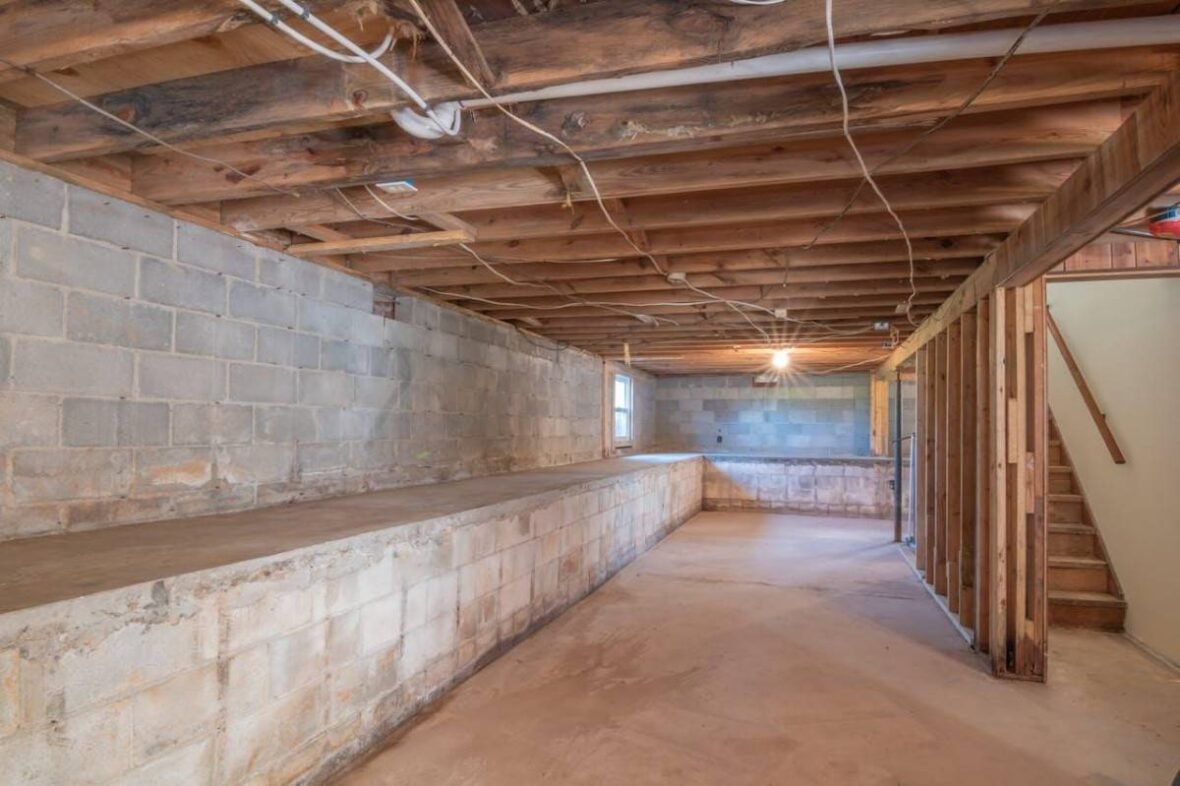
Consider a homeowner noticing occasional condensation near a basement wall during rainy weather. The moisture gets wiped away repeatedly though no inspection follows. Months later, flooring damage appears because hidden water exposure had already weakened surrounding materials steadily.
A Well-Maintained Home Feels Different
Homes affected by neglected maintenance often feel uncomfortable long before visible damage appears. Air becomes heavier. Rooms feel humid unexpectedly. Strange odors linger without obvious explanation. Small discomforts slowly influence daily life even when homeowners cannot immediately identify the exact cause.
This explains why preventive care improves more than structural condition alone. Comfort changes noticeably when airflow stays balanced, moisture remains controlled and household systems receive regular attention. The emotional atmosphere inside homes improves too because fewer unexpected emergencies interrupt daily routines.
The connection becomes especially noticeable when dealing with damage from water issues. Small leaks or drainage concerns rarely stay isolated because moisture affects multiple parts of a home gradually. Walls weaken slowly while indoor comfort changes little by little. Preventive inspections help homeowners identify these problems before larger structural concerns develop.
Organization matters here as well. Cluttered storage spaces limit visibility while crowded rooms trap dust and humidity more easily. Clean accessible areas allow homeowners to notice warning signs earlier because important spaces remain visible during routine maintenance.
A home that receives consistent care usually feels calmer overall. Small problems stay manageable because they are addressed before turning into larger disruptions.
Prevention Protects More Than Just Property
Many people think preventive home care only protects financial investments though its impact reaches much further. Stable homes create emotional comfort too. Stress decreases when homeowners trust their surroundings instead of constantly reacting to emergencies unexpectedly.
That feeling matters increasingly today because modern life already feels overloaded with distractions and responsibilities. Unexpected household repairs create emotional strain quickly especially when preventable issues suddenly become expensive crises.
The good news is that preventive care rarely requires perfection. Consistency matters far more than flawless maintenance routines. Small inspections, careful observation and simple habits often prevent major household disruptions before they fully develop.
Quick fixes will always feel tempting because they promise immediate relief. Real protection works differently though. It develops quietly through attention, patience and habits that stop problems before they spread into something much harder to manage later.