

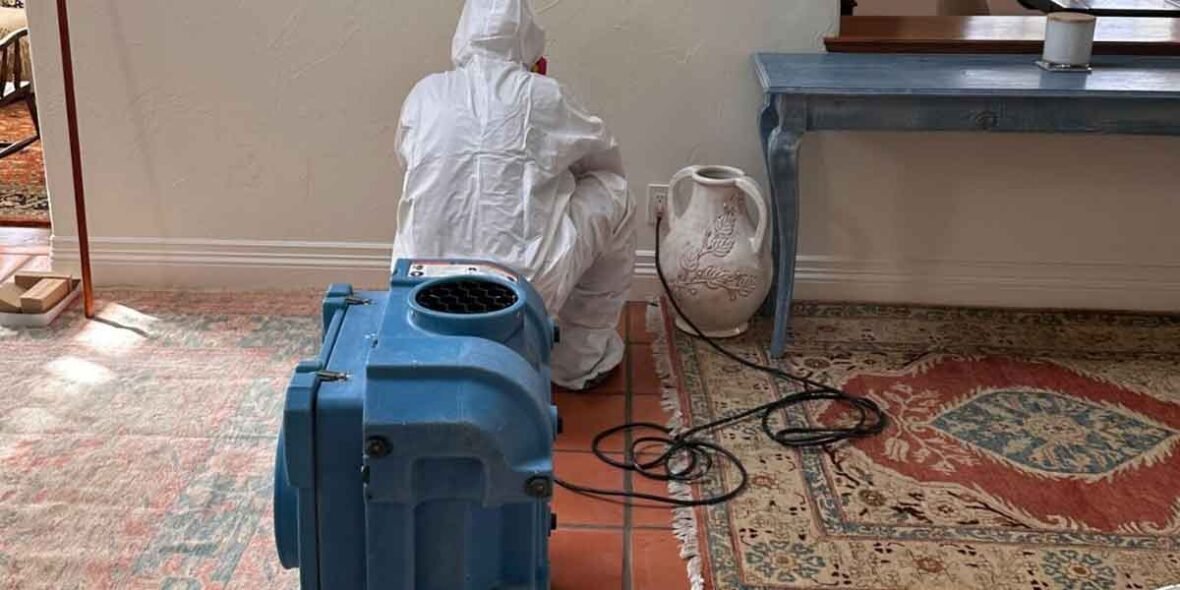
Water damage is one of the most common and expensive problems homeowners face today. Even a small leak can lead to major repairs and inconvenience. Knowing where water problems can occur and how to address them protects your home and your wallet. If you live in Colorado and need immediate help, you can turn to water damage restoration Denver specialists for expert support and rapid recovery.
By learning about the top sources of water damage and how to prevent them, you can save significant time, stress, and money. Taking action early means minor issues do not escalate into extensive structural problems or costly belongings lost to water. It only takes a few mindful changes to keep your property dry and in good shape year-round.
This guide explains where water damage often starts, the best ways to stop it, and how to protect your home from unexpected emergencies. By following these steps, homeowners can make smart decisions and avoid dealing with a mess after the fact.
For those looking to stop leaks before they become emergencies, specialized services like water leak detection Denver can help spot hidden issues early and prevent further damage.
Common Sources of Water Damage
Water damage can occur in any part of your home, but it is most common in a few important areas:
- Leaking Pipes: Pipes in your home can rust, crack, or shift, slowly causing water to leak behind walls or under floors.
- Appliance Malfunctions: Machines such as laundry washers, dishwashers, and water heaters can leak when hoses wear out or internal parts fail.
- Roof Leaks: Missing or broken shingles let rainwater seep into your ceiling and attic, which can lead to mold and ceiling collapses.
- Poor Drainage: When water is not directed away from your house, it can gather at the base of your foundation, leading to seepage, basement flooding, or even foundation cracking.
Knowing these sources helps homeowners identify weak points in their homes and watch for warning signs such as musty smells, stains, or puddles.
Regular Inspections and Maintenance
Routine checks and repairs play a major role in stopping water problems before they happen. Here are a few key inspection tips every homeowner should follow:
- Look under the kitchen and bathroom sinks for drips or stains.
- Regularly inspect the roof for missing or damaged shingles, especially after big storms.
- Clean gutters several times a year so water can flow away easily and not overflow near the foundation.
- Walk around your home’s foundation to look for cracks, bulging, or signs of water collecting.
By staying vigilant with these steps, you can catch small issues before they become disasters. According to Forbes Home, annual inspections can significantly reduce the risk of major water damage and help avoid costly emergency repairs.
Installing Water Detection Devices
Smart technology has made it easier than ever to stop leaks early. Water detection sensors can be placed near appliances, under bathroom sinks, or in the basement. These devices alert you as soon as water begins to pool, giving you time to act before the damage spreads. Some products will even send an alert to your phone, so you know immediately if there is a leak when you are not at home.
As Nationwide outlines, smart water sensors are a valuable tool for any modern homeowner. Installing these in likely trouble spots can help stop flooding, protect expensive electronics or furniture, and provide peace of mind.
Proper Drainage and Landscaping
It is crucial to make sure water flows away from your home, not toward it. Simple changes to your yard and landscaping can prevent long-term structural damage caused by poor drainage.
- Grade your yard so it gradually slopes away from the foundation, directing water into a safe runoff area.
- Install French drains, gravel beds, or sump pumps in places where water tends to collect. These solutions help redirect water before it can seep inside.
- Make sure your gutters and downspouts are clean and pointed so water flows at least several feet away from your house.
These steps are especially useful during rainy seasons, where sudden storms or snowmelt can put extra pressure on your home’s barriers.
Protecting Pipes During Cold Weather
Cold weather presents another major risk for water damage. When pipes freeze, they often burst, spilling gallons of water into your home in minutes. These steps protect your plumbing:
- Insulate pipes in unheated or exposed spaces, like basements, attics, and garages.
- Keep your home at a steady temperature, even when you are traveling.
- Let faucets drip during extreme cold spells to relieve pressure and help prevent freezing.
Taking these cold-weather precautions can save you hundreds or even thousands of dollars in water-damage repairs.
Understanding Insurance Coverage
It is essential to review your homeowner’s insurance policy and understand what types of water damage are covered. Many standard policies do not cover floods or certain types of backup, so you might need extra coverage if you live in a high-risk area. Missing this detail can result in large out-of-pocket expenses if a major incident occurs. According to Kiplinger, knowing your policy’s exclusions can prevent major disappointments after an emergency.
Conclusion
Preventing water damage takes awareness, regular care, and a few simple tools. By inspecting your property, installing early warning devices, updating your yard drainage, protecting pipes in winter, and ensuring you have the right insurance, you can avoid major headaches. These steps keep your home safe, dry, and protected from one of the most expensive types of property damage.