

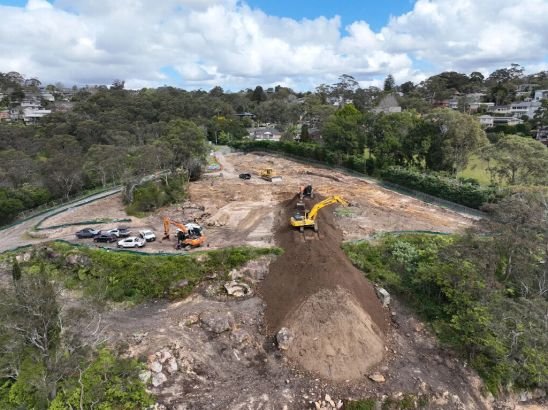
Before foundations are poured or building materials arrive, a construction site usually requires significant preparation. Existing vegetation, structures, underground services, access conditions and ground characteristics can all influence how a project progresses.
The exact requirements depend on the property and proposed development. In some cases, site clearing services may be required to remove vegetation, unwanted materials and other obstacles so the land can be prepared for subsequent excavation and construction activities. Taking time to assess and prepare the site can help identify potential complications before heavy construction begins.
Start With a Detailed Assessment of the Site
Site preparation should begin with understanding the existing property. The assessment may consider the site’s boundaries, slope, vegetation, existing structures, access points and neighbouring properties. The location of retaining walls, fences, driveways and other features can also affect how machinery and workers access the land. Ground conditions deserve attention as well. Soil characteristics can influence foundation design, excavation requirements and drainage. Depending on the proposed development, geotechnical investigation or other specialist assessments may be required.
The property’s history can also be relevant. Previous buildings, filling, demolition or industrial activities may influence what is encountered during site preparation. Gathering this information early gives designers, engineers and contractors a clearer understanding of the conditions they will be working with. It can also help identify whether additional investigation is needed before excavation begins.
Confirm Approvals and Site Requirements
Land should not simply be cleared because construction is planned. The project needs to comply with applicable planning, building and environmental requirements. The approvals required will depend on the location, type of development and work being undertaken. Vegetation removal may be subject to specific rules. Certain trees or areas of vegetation may require approval before they can be removed, while environmental considerations can apply to some sites. Demolition can involve its own requirements. If an existing building or structure needs to be removed, appropriate approvals and procedures should be confirmed before work starts.
The construction documentation may also specify features that need to remain protected throughout the project. Confirming these requirements before clearing begins can help prevent the accidental removal or disturbance of something that was intended to remain. Project-specific advice should be obtained where the applicable approval requirements are unclear.
Locate Underground and Overhead Services
One of the most important steps before excavation or mechanical clearing is identifying existing services. Electricity, gas, water, telecommunications and drainage infrastructure may run through or around the property. Some services are visible, while others are completely underground. Available service plans can provide useful information, but the actual location of infrastructure may need to be confirmed before work occurs. Overhead services also require consideration. Machinery, trucks and lifting equipment may need to operate around powerlines or other infrastructure.
The presence of existing services can influence which parts of the site can be accessed and what equipment can be used. Contractors should be provided with relevant site information before work begins. Simply assuming an underground area is clear because there are no visible signs at the surface can create significant risks. Service identification should therefore form part of the preparation process rather than being left until excavation is underway.
Remove Vegetation, Structures and Unwanted Material
Once the site’s requirements are understood, physical clearing can begin where permitted. The work required varies considerably between properties. One site may only contain grass and small vegetation, while another may include established trees, old sheds, concrete, fencing and accumulated waste. Vegetation that is approved for removal may need to be cut, processed and transported away from the site. Tree stumps and roots may also require attention depending on where future structures, services or access areas will be located.
Existing structures can require a separate demolition process rather than ordinary land clearing. Materials generated during clearing should be managed appropriately. Green waste, soil, concrete, metal and general construction material may need different handling or disposal methods. Not everything necessarily needs to be removed. Some materials may be suitable for recycling or reuse depending on their condition and project requirements. A clear plan for handling material can help prevent waste from simply being moved from one part of the site to another.
Establish Safe Access for Machinery and Deliveries
Construction requires regular movement of people, vehicles, equipment and materials. Before major work begins, the site needs suitable access for the activities that will take place. A narrow residential property can present different challenges from a large open development site. Trucks and machinery need sufficient space to enter, operate and leave without creating unnecessary hazards or damaging areas that are intended to remain. The condition of the access route matters too. Soft or unstable ground may not support heavy vehicles without additional preparation. Consider where deliveries will be unloaded and where equipment can be positioned.
Temporary fencing, gates and designated entry points may also form part of site establishment. Planning vehicle movements becomes particularly important when the property is located on a busy road or within an established residential area. Good access planning can reduce unnecessary equipment movement and help later stages of construction operate more efficiently.
Prepare the Ground for the Next Stage of Work
Clearing a site does not necessarily mean it is ready for foundations. Once unwanted materials have been removed, further earthworks may be required to create the conditions specified for the project. This could involve excavation, grading, filling or other ground preparation. The exact work depends on the design and existing site conditions. Drainage also needs to be considered. Rainfall and surface water should be appropriately managed during construction so that exposed soil does not create unnecessary erosion or site access problems. Sediment controls may be required depending on the project and applicable requirements.
Site levels should follow the relevant construction and engineering documentation rather than being estimated during clearing. This stage also provides an opportunity to reassess the site after vegetation or old structures have been removed. Previously hidden ground conditions or materials may become visible and require further investigation. Completing the necessary preparation creates a more organised transition from clearing into excavation, foundations and construction.
Conclusion
Construction begins well before the first wall or foundation is built. Site assessment, approvals, service identification, clearing, access planning and ground preparation can all be necessary before the main building work starts. The sequence will vary depending on the property and proposed development, which is why site-specific planning is important.
Identifying constraints early can help contractors understand what needs to be protected, removed or prepared before heavier construction activities begin. With the appropriate groundwork completed, the project can move into excavation and construction with a clearer understanding of the site’s conditions and practical requirements.