

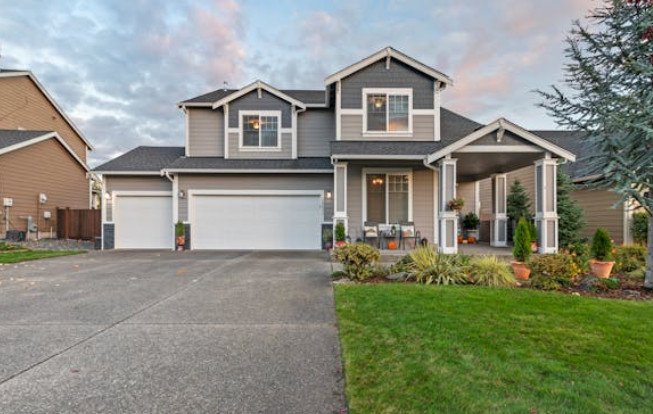
Many homeowners in Fruitville spend time and money improving the parts of their property they can easily see. Fresh landscaping, updated paint, and outdoor upgrades often get the most attention. Yet some of the issues that have the biggest impact on home value develop quietly in the background. Water collecting in the yard, moisture behind walls, drainage problems, and foundation movement rarely announce themselves early. By the time they become obvious, repairs can be expensive and buyer confidence may already be affected. Understanding these hidden concerns gives homeowners an opportunity to act before small problems grow into major ones. A well-maintained property holds its value better and creates fewer surprises when it comes time to sell.
Drainage Systems That Stop Doing Their Job
A drainage system can look fine on the surface while failing underground. Pipes may clog with soil, roots, leaves, or sediment. Older systems can shift, crack, or lose the proper slope needed to move water away from the property. Homeowners often notice the signs first after heavy rain: water returning to the same low spots, mulch washing out, or damp areas forming near patios and walkways. These issues can affect lawn health, hardscaping, and the foundation over time. A professional evaluation can show whether the system needs cleaning, repair, or replacement. Homeowners dealing with repeated yard water problems may benefit from French drainage services in Fruitville when surface fixes no longer solve the issue.
Ensuring that water moves efficiently away from structural elements is a fundamental part of maintaining property value over time. In regions where intense storms are common, an upgraded system can prevent unexpected issues from developing near the home’s perimeter. If you want to address potential drainage weak spots before they grow into costly foundation damage, contact SwainCo today to learn more about proactive yard solutions.
Small Foundation Clues Worth Watching
Foundation issues rarely begin with dramatic cracks or obvious structural problems. In many cases, homeowners first notice small signs that seem unrelated. Doors may begin sticking, windows become harder to open, or hairline cracks appear around door frames. These changes can develop gradually, making them easy to ignore. Moisture problems, shifting soil, and poor drainage often contribute to foundation movement over time. While some settling is normal, ongoing movement deserves attention. Buyers tend to be cautious when they see evidence of foundation concerns because repairs can be costly. Scheduling an inspection when early warning signs appear can help homeowners identify the cause and address it before the issue affects property value or becomes more expensive to fix.
Roof Trouble You Can’t See From Below
A roof can look perfectly fine from the ground while hiding problems that affect the entire home. Missing shingles, damaged flashing, and small leaks often go unnoticed until water begins reaching interior spaces. By then, the repair bill may include damaged drywall, insulation, or wood framing. Regular roof inspections help uncover issues before they spread. Homeowners should pay attention to water stains on ceilings, unusual odors in attic spaces, and rising energy costs that may point to roofing problems. Buyers often view roof condition as one of the most important factors when evaluating a property. A roof that receives routine maintenance signals responsible ownership and reduces concerns about unexpected expenses after purchase.
Moisture Hiding in Forgotten Spaces
Attics, crawl spaces, and other rarely visited areas often reveal problems long before the main living areas do. Moisture can enter these spaces through roof leaks, poor ventilation, plumbing issues, or outdoor drainage problems. Once moisture remains trapped, mold growth and wood deterioration can follow. Homeowners may notice musty smells, increased humidity indoors, or signs of pest activity before discovering the actual source. These conditions can affect indoor air quality and lead to more extensive repairs if left unresolved. Routine inspections of overlooked spaces help identify concerns early. Keeping these areas dry and properly ventilated protects the home’s structure and reassures future buyers that hidden maintenance issues are less likely to exist.
Landscaping Mistakes That Cause Bigger Problems
Landscaping improves curb appeal, but certain design choices can create issues that affect property value. One common problem occurs when the ground slopes toward the house instead of away from it. During heavy rain, water naturally follows the slope and can collect near the foundation. Large planting beds placed against exterior walls may also trap moisture. Some homeowners focus on appearance without considering how water moves across the property. Over time, poor grading and drainage can contribute to erosion, foundation concerns, and unhealthy landscaping. Evaluating the flow of water after a storm provides valuable insight into potential trouble spots. Smart landscaping should support drainage while keeping the property attractive and functional throughout the year.
Tree Roots Causing Quiet Damage
Mature trees add shade and beauty, but their roots can create problems when planted too close to the home, driveway, sidewalk, or underground pipes. Roots grow toward moisture, which means small leaks in pipes can attract them. Once roots enter a pipe, they can expand and make drainage or plumbing problems worse. They may also lift concrete, crack walkways, or press against older foundation areas. Homeowners should watch for uneven pavement, slow drains, recurring pipe clogs, or soil lifting near large trees. Removing every tree is rarely the best answer. A certified arborist or property professional can help decide whether root pruning, pipe repair, or careful tree removal makes sense.
Exterior Wear Buyers Notice Fast
Small exterior problems can shape a buyer’s opinion before they step inside. Cracked walkways, rotting trim, loose siding, faded paint, and damaged fencing can make a property feel poorly maintained. These issues may seem cosmetic, but they often point to water exposure, pest activity, or years of delayed upkeep. Buyers may start wondering what else has been ignored. Homeowners can protect their home’s value by walking the property every few months and checking areas that take the most weather exposure. Look closely around windows, doors, decks, railings, and shaded spots that dry slowly. Timely repairs usually cost less than full replacements. A clean, solid exterior helps the home feel cared for and ready for inspection.
Repairs That Keep Getting Postponed
Deferred maintenance can quietly lower a home’s value because small problems rarely stay small. A loose handrail, cracked caulk, soft deck board, dripping pipe, or slow leak under a sink may seem easy to put off. Over time, these minor issues can lead to water damage, pest entry, safety concerns, or larger repair bills. Buyers and inspectors pay attention to repeated signs of neglect. They may assume the home needs more work than they can see. Homeowners can avoid that by keeping a simple repair list and handling small tasks before they stack up. Save receipts, inspection notes, and service records when possible. Good records show consistent care and can support buyer confidence.
Hidden issues affect home value because they change how a property performs, ages, and feels to future buyers. Many of these problems begin quietly, which makes regular checks so important. Homeowners should pay attention to drainage, roof condition, tree roots, exterior wear, and small repairs that keep slipping down the list. These areas may not feel exciting, but they protect the parts of the home that cost the most to fix. A property that stays dry, solid, and well maintained usually creates fewer surprises during inspections. For homeowners, the smartest approach is simple: notice problems early, fix them properly, and keep the home ready for the next season.