

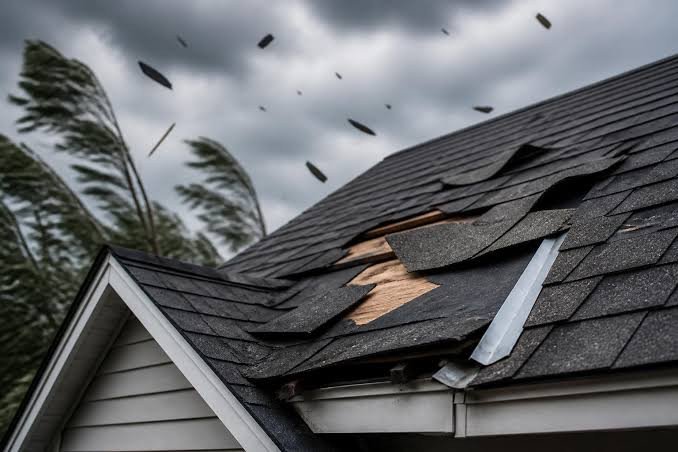
Maintaining a roof is more sustainable than allowing avoidable water damage to spread. In exposed areas, wind-driven rain can test joints that remain dry during gentler weather. A measured routine helps owners preserve existing materials and replace only what genuinely needs attention.
Look for changes, not perfection
Tiles and slates weather naturally. The useful signs are movement, a new gap, a cracked edge or debris on the ground after wind. Photographs from the same safe viewing point create a simple record without requiring roof access.
Protect drainage routes
Leaves and moss can block valleys, gutters and flat-roof outlets. Water then finds another route, often over a fascia or against masonry. Clearing should be done with suitable access and without damaging the covering. Downpipes also need a clear discharge point.
Repair with the roof as a system
A quick patch may not suit the surrounding material or may move water towards another junction. Guidance from roofers in Emsworth can help identify whether the issue concerns a tile, leadwork, a valley or the rainwater system.
Good maintenance is not a wasteful replacement. It is careful observation, proportionate repair and attention to the details that keep water outside the home.
Consider ventilation alongside insulation
Energy improvements can change moisture behaviour in a roof space. Insulation should not block designed eaves ventilation and ordinary condensation should not automatically be diagnosed as rain entry. If damp appears without a clear link to weather, the assessment should consider airflow, indoor humidity and the roof covering together before materials are removed.
Start with a condition record
Photograph the main slopes, roof edges and visible junctions from safe positions. Repeat the views after severe weather or at the next seasonal check. A record helps identify genuine movement and prevents natural colour variation being mistaken for new damage. Note the date, recent weather and any indoor symptoms. This evidence makes a later inspection more efficient because the discussion can begin with what changed rather than relying on memory.
Retain materials where they remain sound
A maintenance-led approach does not assume that every weathered tile or length of lead must be replaced. Sound coverings can often remain while a local fixing, flashing or drainage issue is addressed. Retention reduces waste and helps preserve the appearance of an established roof. The important point is that the decision follows inspection: material should not be kept if it can no longer perform safely, but age alone is not proof of failure.
Plan safe access and containment
Even a small repair may require scaffolding or specialist access when the roof is high, steep or exposed. Safe access also allows removed debris to be controlled rather than dropped into gutters or planting. Ask how the building will be protected if weather changes during the work and how loose materials will be handled. These practical details are part of responsible maintenance because a hurried approach can damage more of the roof than the original defect.
Check the result during later weather
After work, retain photographs of the repaired area and observe the connected drainage route in rain. Wet timber or insulation can take time to dry, so monitor whether fresh moisture appears rather than judging only an old stain. A successful repair should restore the intended flow of water without creating overflow or a new concentration point nearby.
Review nearby masonry and openings
Harbourside weather can direct rain onto walls, window heads and chimney faces as well as the roof covering. Cracked pointing or failed seals may produce a symptom close to a roof junction. Include these areas in the visual review so a sound covering is not repaired unnecessarily. The assessment should follow the likely route of water and explain how external details interact. One coordinated repair is more useful than several unrelated patches applied to every surface near the stain.
Choose replacement materials with a full-life view
Where replacement is necessary, consider durability, repairability and compatibility alongside the initial appearance. A component that can be inspected and locally repaired may offer a better long-term outcome than one that conceals fixings or blocks access. Retain product information and the installation date so future maintenance begins with reliable facts.
Keep maintenance proportionate
Responsible care does not require constant treatment. If the roof remains secure, dry and well drained, record the clean observation and retain sound materials. Intervention should follow a demonstrated change, an access need or a planned improvement that has been assessed in context.
A short annual review of photographs and maintenance notes is usually enough to keep that proportionate approach consistent as the property and its surroundings change.