

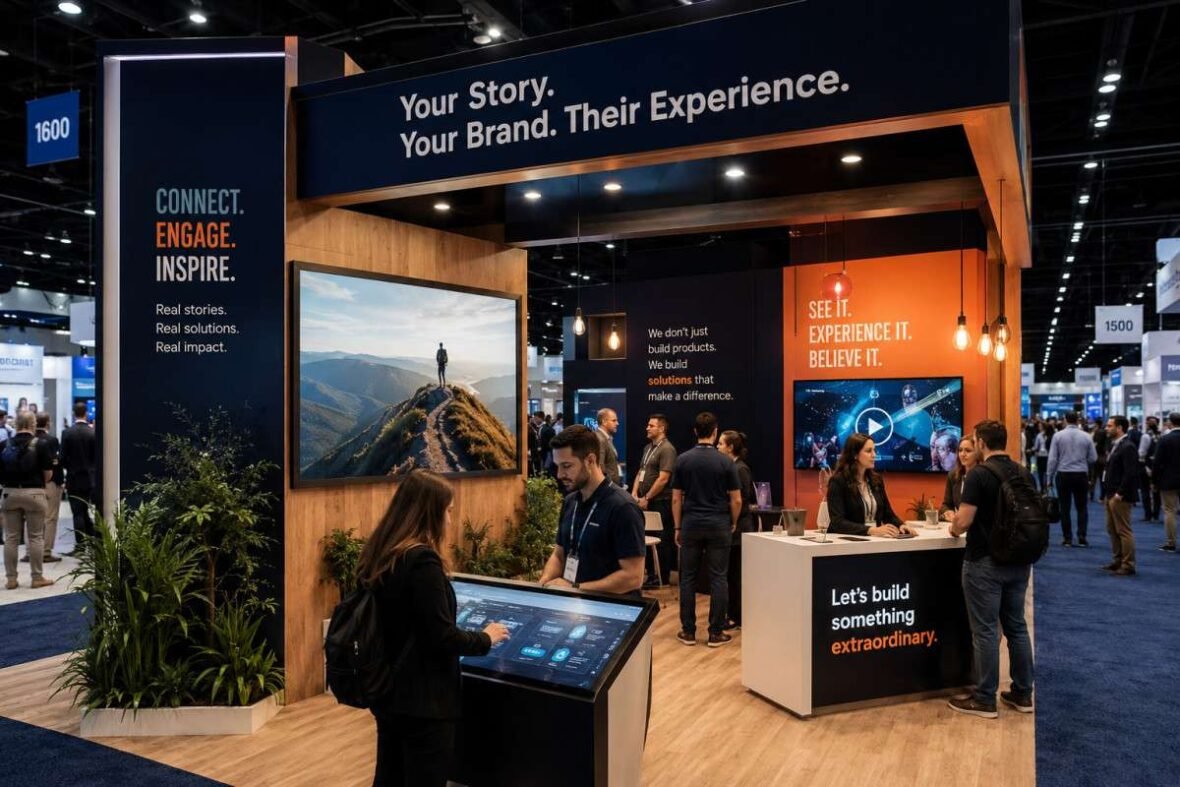
Trade shows provide companies with chances to meet possible buyers face-to-face. Although appealing exhibits grab attention, current visitors usually want more than pamphlets, product samples, and sales pitches. They seek activities that teach, motivate, and create enduring memories. Here is how deep narrative acts as a strong promotion tactic.
Using custom trade exhibit designs lets companies share real narratives via careful layout, hands-on activities, and steady communication. Rather than just showing items, firms can lead guests along a path that reflects beliefs, answers, and distinctive character. Good planning builds feelings, which usually stay clear even when the gathering finishes.
Narrative techniques additionally assist guests in comprehending how goods or solutions address genuine problems. Instead of concentrating solely on attributes, companies may demonstrate practical uses through captivating experiences that promote engagement and dialogue. Such exchanges aid in converting occasional attendees into potential leads whilst reinforcing general brand awareness levels.
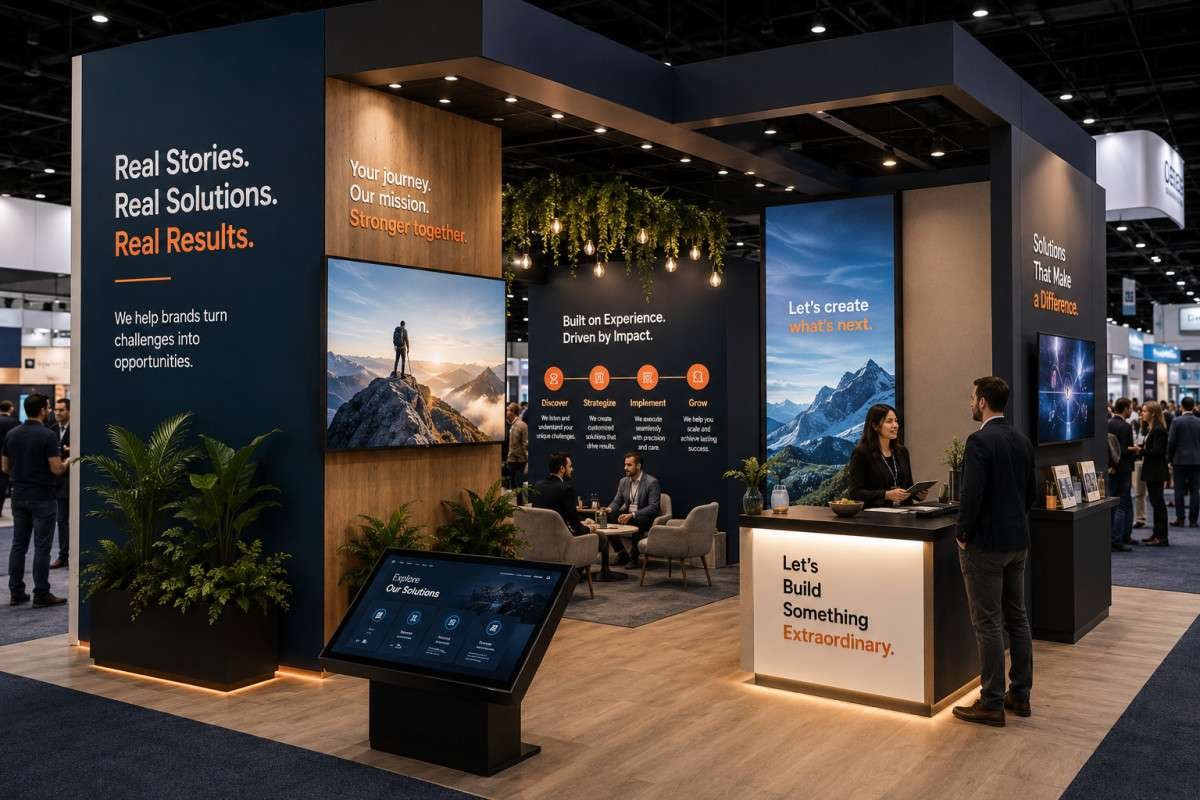
Making an immersive display needs more than just graphic creativity. Each part, starting with booth design through lighting, demos, digital media, and worker contact, must back up one single narrative. If each piece functions jointly, companies build experiences that prompt better involvement and tighter client bonds.
A good narrative helps firms build consistency before, during, and after the event. Guests seeing identical messages via invites, show experiences, later emails, and online material tend to recall the brand better. Keeping this uniformity boosts brand awareness so each client touch feels linked and meaningful.
Creative Marketing Strategies for Immersive Trade Show Storytelling
Source AI
-
Build a Story Around Your Brand
Every memorable exhibit begins with a clear message.
Create a tale explaining your firm’s goals, principles, client problems, and answers. Rather than showing separate items, link every exhibit to a bigger story that guests may quickly grasp and recall.
Clear storytelling strengthens brand identity.
-
Create Interactive Experiences
Participation helps visitors become part of the story.
Show product demos, interactive screens, virtual events, live talks, or physical tasks that make guests interact with your brand. These interactive things usually raise booth crowds and guest interest levels.
Interactive exhibits create stronger connections.
-
Use Visual Design to Guide the Journey
Design ought to uphold the narrative from start through finish.
Organize exhibits, visuals, illumination, and merchandise zones into a sensible flow that directs guests through the show. An effective arrangement helps participants grasp your point while creating a smooth and pleasant experience.
Thoughtful layouts improve visitor flow.
-
Incorporate Digital Content
Technology adds depth to storytelling.
Utilize video clips, animated sequences, augmented reality tools, digital slideshows, or touchscreens to clarify complicated goods or offerings in an interesting manner. A virtual trade show exhibit can integrate seamlessly with physical booths to deliver rich digital layers that make data simpler while building a more lasting guest experience.
Online material ought to support the physical display rather than replace direct talks. Brief clips, hands-on demos, client case studies, and live shows help guests grasp complex fixes while maintaining interest. Combining digital tools with human contact creates a fair and lasting visitor experience.
Digital experiences improve engagement.
-
Train Staff to Tell the Story
Your team brings the exhibit to life.
Make sure employees know the brand narrative and share it uniformly across all guest encounters. Polite conversations, careful inquiries, and tailored showcases help strengthen the display’s point while fostering stronger client relationships.
Consistent communication builds trust.
-
Encourage Social Sharing
Great experiences naturally attract attention.
Design photo-friendly areas, marked setups, or active times that push guests to post about them online. User-generated content expands your brand’s reach beyond the show grounds while increasing visibility among larger groups.
Social sharing extends brand awareness.
-
Measure and Improve Future Experiences
Every event provides valuable learning opportunities.
Check visitor interactions, lead standards, client comments, online network activity, and group notes after every show. Pinpointing effective narrative parts and improving weaker sections aids firms in making better display encounters at later occasions.
Good storytelling stops not once the exhibit shuts down. Sending tailored messages, helpful materials, item details, or appointment requests showing the same plot keeps audience attention alive. Keeping the tale going post-event boosts brand memory, generates high-quality leads, and increases the chances of forming long-term client bonds that extend far beyond the expo hall.
Continuous improvement strengthens long-term marketing success.
Final Thoughts
Immersive storytelling changes custom trade show booths into lasting brand moments, going past standard product shows. Blending useful stories, interactive elements, careful planning, digital content, educated staff, social interaction, and continuous improvement helps companies build deeper emotional connections with guests.
Companies that invest in storytelling-focused exhibit design frequently see greater visitor interaction, improved conversation quality, enhanced brand awareness, and deeper client connections. By building experiences that teach, motivate, and spur engagement, companies may boost the value of each event while ensuring that lasting memories persist well past the gathering phase.