

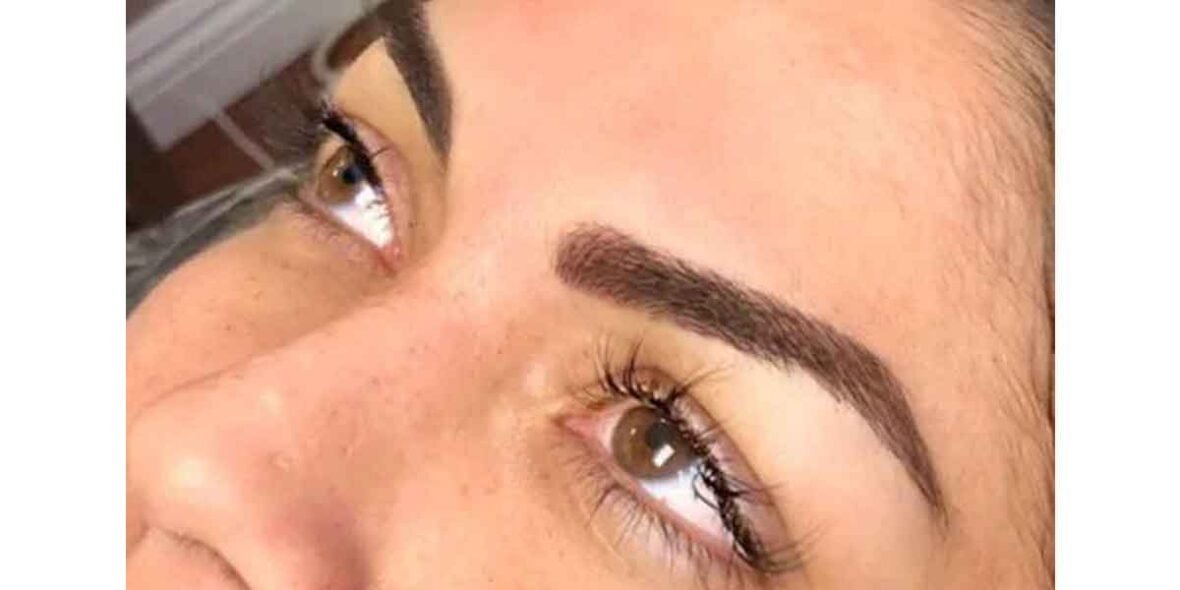
Permanent makeup is a way to wake up with defined features and skip part of a daily beauty routine. Eyebrow procedures help those who have sparse, uneven, or light brows that they would otherwise fill in with pencil or powder each morning. Both microblading and eyebrow tattooing deposit pigment into the skin to create the appearance of fuller brows, but the two procedures differ in technique and results. Here is more information about the differences between microblading and eyebrow tattooing:
What Is Microblading?
Microblading is a semi-permanent eyebrow procedure that uses a hand-held tool with fine needles to draw hair-like strokes into the upper layers of the skin. The procedure is semi-permanent; the pigment fades over time as the skin naturally regenerates. Results typically last 12 to 18 months before a touch-up is needed. The procedure aims to create a natural appearance. Because each stroke mimics individual brow hairs, microbladed brows can blend with existing hair.
What Is Eyebrow Tattooing?
Eyebrow tattooing uses a tattoo machine to deposit ink deeper into the dermis. The process is the same as traditional body tattooing, and the results are as permanent as a normal tattoo. Tattoo ink does not fade the way microblading pigment does, though it may shift in tone over time.
The aesthetic outcome differs from microblading because the technique fills in the brow area more solidly. A tattooed brow can look more defined and bold, and it suits those who prefer a consistent, filled-in look. The ink is deposited more deeply, so the color may hold for years without significant fading.
Who Is a Good Candidate?
Microblading suits those who want a natural-looking result that can be adjusted over time. Some individuals want the option to update their brow shape in the future. The semi-permanence of microblading allows for more flexibility over time, and the ink it uses fades more quickly than traditional tattoo ink.
Eyebrow tattooing is an ideal solution for individuals seeking a permanent and low-maintenance brow enhancement. Strong candidates for this procedure often include those who:
- Lead active lifestyles and require a smudge-proof brow solution.
- Have experienced significant hair loss in the brow area.
- Prefer a more defined and consistently styled brow aesthetic.
Discuss your shape and color options thoroughly with your provider before committing to the procedure.
What Is Aftercare Like?
Proper aftercare for both microblading and eyebrow tattooing helps your skin recover and achieve long-lasting results. Both procedures require similar initial care in recovery:
- Keep the treated area clean and dry for the first 7-14 days.
- Avoid exposing the brows to water, excessive sweat, or makeup during this initial period.
- Apply a thin layer of a recommended aftercare ointment with a gentle cleanser.
- Protect the area from direct sunlight, swimming, saunas, and tanning to prevent irritation and pigment fading.
The primary difference in aftercare is due to the depth of the procedures; microblading is more superficial, resulting in a potentially shorter recovery time with lighter scabbing. Eyebrow tattooing penetrates deeper into the skin, possibly requiring a longer healing period with more noticeable scabbing, swelling, and redness. Because eyebrow tattoos are permanent, consistent sun protection over the long-term helps prevent fading.
Learn More About Permanent Makeup
Microblading and eyebrow tattooing both reduce or eliminate the need for daily brow makeup, but they differ in process and overall appearance. Microblading delivers a softer, semi-permanent result, while eyebrow tattooing offers a permanent, more defined finish. The appropriate choice depends on your skin type, lifestyle, and aesthetic goals. If you want to learn more about permanent makeup for eyebrows, consult a permanent makeup provider near you.