

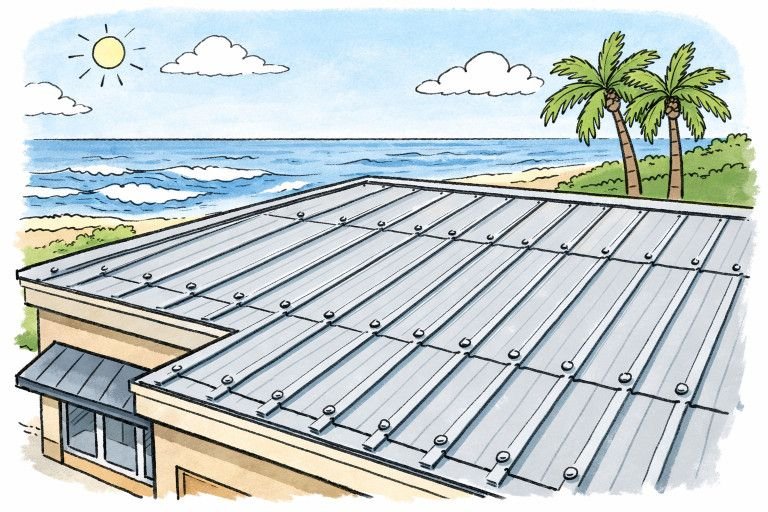
Maintaining a commercial roof in coastal environments comes with additional challenges from salt air, high humidity, and prolonged sun exposure, all of which can accelerate wear and shorten a roof’s lifespan if not properly managed. For property owners seeking reliable St Petersburg commercial roof repair solutions, working with experienced local professionals is essential to protecting the building and minimizing long-term operational costs. BC American Roofing provides commercial roofing services throughout the Tampa Bay area, delivering durable roofing systems and repair strategies specifically designed to withstand Florida’s demanding coastal climate and severe storm conditions.
Understanding Coastal Climate Challenges
Coastal environments expose roofs to harsh conditions, including salt-laden air, high humidity, and strong winds. These factors can accelerate wear and tear, leading to issues like corrosion, mold growth, and structural damage. The National Roof Certification and Inspection Association emphasizes the importance of comprehensive roof inspections to identify potential problems early and ensure long-term performance.
Moisture infiltration and biological growth, such as algae and moss, tend to spread more rapidly in humid coastal climates compared to inland areas. These factors not only weaken the roofing structure but may also cause staining, aesthetic issues, and even health problems for building occupants. Understanding these distinct challenges is the first step toward protecting your commercial property.
Choosing the Right Roofing Materials
Selecting materials designed for coastal conditions is vital. Options like aluminum and coated steel resist corrosion better than standard metals. Additionally, using stainless steel or hot-dipped galvanized fasteners can prevent rust and ensure structural integrity. BC American Roofing offers a range of durable roofing materials suitable for coastal climates, including metal roofs known for their resilience and energy efficiency.
Synthetic membranes, such as TPO and PVC, are gaining popularity for their impressive resistance to salt and moisture, as well as their energy-saving properties. Besides, green roofing systems, which incorporate a layer of vegetation, can provide a natural barrier against UV and heat, while also improving stormwater management.
Regular Inspections and Maintenance
Scheduling professional roof inspections at least twice a year helps identify potential problems early. Inspections should focus on areas prone to damage, such as flashing, drainage systems, and membrane seams. Promptly addressing minor issues can prevent costly repairs down the line. BC American Roofing provides comprehensive roof inspections and maintenance services to extend your roof’s lifespan.
Maintenance activities should also include regular debris removal and checking for signs of pooling water, loose seams, and deteriorated coatings. Early intervention is especially critical after extreme weather events, when minor damage can quickly escalate.
Addressing Salt Air Corrosion
Salt air can corrode metal components, leading to leaks and structural weaknesses. To mitigate this, use corrosion-resistant materials and apply protective coatings. Regularly cleaning the roof to remove salt deposits can also prolong its lifespan. Implementing these strategies can help maintain the integrity of your commercial roof in coastal environments.
Building owners should not overlook hidden features like fasteners, vents, and flashing, which are also prone to corrosion. Regular application of anti-corrosion sprays and brushes, along with routine inspections of hidden areas, can significantly extend roof longevity.
Ensuring Proper Drainage
Proper drainage prevents water accumulation, which can cause leaks and structural damage. Keep gutters and downspouts clear of debris, and ensure that the roof’s slope directs water away efficiently. Regular maintenance of drainage systems is essential, especially after storms. BC American Roofing offers services to ensure your roof’s drainage system functions optimally, protecting your property from water damage.
Consider installing secondary drainage features, such as overflow scuppers, to add extra protection. Regularly monitoring these systems during the rainy season ensures optimal performance and prevents costly interior damage.
Protecting Against UV Damage
Intense sun exposure can degrade roofing materials over time. Applying reflective coatings can reduce UV damage and lower cooling costs. Materials like TPO and PVC offer excellent UV resistance and are suitable for coastal climates. BC American Roofing provides roofing solutions with UV-resistant materials to enhance the durability and energy efficiency of your commercial roof.
Incorporating light-colored or reflective surfaces not only lengthens the roof’s lifespan but also leads to notable savings on energy bills by reflecting rather than absorbing solar heat. Roof gardens, or green roofs, can also provide additional protection from UV rays, further insulating the building.
Preparing for Storms and High Winds
Coastal areas are prone to storms and high winds, which can damage roofs. Ensure that roofing materials are securely fastened and that the roof structure meets local wind-resistance requirements. Regular inspections can identify and reinforce vulnerable areas. BC American Roofing specializes in storm damage and emergency roofing services, offering fast, reliable solutions to restore the safety and integrity of your property.
Creating a storm preparedness routine is vital. This should include scheduling pre- and post-storm roof checks, securing loose items on or around the roof, and having emergency tarping materials on hand. Businesses may benefit from establishing a relationship with their roofing contractor to ensure a rapid response in the aftermath of severe weather.
Additional Tips for Coastal Roof Maintenance
Beyond regular inspections and prompt repairs, consider these supplemental coastal roof care strategies:
Routine Rinsing: Regularly washing your roof with fresh water helps prevent salt accumulation, a leading cause of corrosion and material breakdown.
Sealant Reapplication: Plan for periodic reapplication of roof sealants and protective coatings to maintain water and UV resistance.
Monitoring Penetrations: HVAC units, skylights, and other penetrations are sensitive points; check their seals and flashings at least quarterly for signs of wear or leaks.
Documentation: Maintain detailed maintenance records, including photos and notes for each inspection. This will simplify insurance claims and facilitate warranty discussions when necessary.
Safety Considerations During Maintenance
Commercial roof maintenance, particularly in coastal locations, often requires specialized safety protocols. Ensure your roofing contractor follows OSHA guidelines, uses proper harnessing on sloped or elevated roofs, and is trained in safe handling of materials exposed to salt and humidity. Additionally, clear communication regarding active maintenance schedules with building occupants helps prevent accidents and disturbances during work.
Conclusion
Maintaining a commercial roof in a coastal climate requires proactive strategies to combat unique environmental challenges. By selecting appropriate materials, conducting regular inspections, and addressing issues promptly, you can extend your roof’s lifespan and protect your investment. Partnering with experienced professionals like BC American Roofing ensures your commercial roof is well-equipped to withstand the demands of coastal environments.