

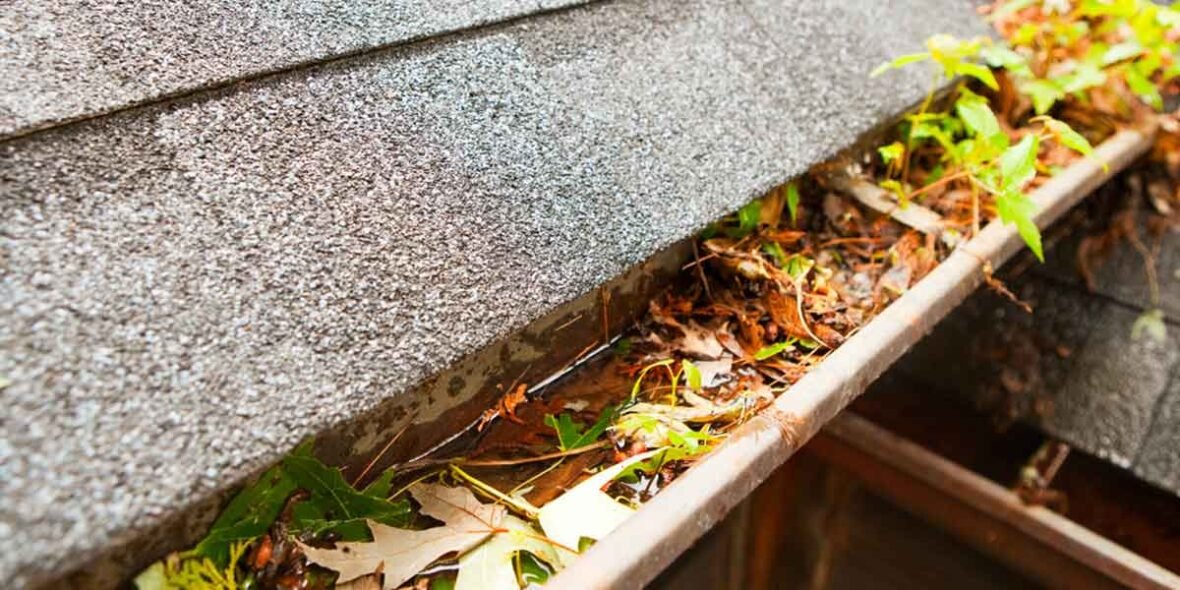
When homeowners think about foundation damage, they typically imagine dramatic causes like earthquakes, flooding, major structural failures. In reality, one of the most common culprits is something far more mundane: a gutter system that isn’t doing its job. The connection between faulty gutters and foundation problems is direct, well-documented, and more preventable than most homeowners realize.
Water and Foundations Don’t Mix
A home’s foundation is designed to bear the weight of the structure above it. What it is not designed to handle is prolonged, repeated exposure to water. When moisture consistently saturates the soil surrounding a foundation, a damaging cycle begins that can compromise the structural integrity of the entire home.
Gutters exist specifically to prevent this. By capturing roof runoff and channeling it through downspouts to a safe discharge point away from the home, a functioning gutter system keeps the soil around the foundation at a stable, appropriate moisture level. When gutters fail, that protection disappears.
The Three Ways Faulty Gutters Damage Foundations
- Soil Saturation and Hydrostatic Pressure
When gutters overflow or discharge water too close to the house, the surrounding soil becomes chronically oversaturated. Waterlogged soil exerts hydrostatic pressure against foundation walls. Over time, this pressure causes foundation walls to bow inward, crack, or shift. Even small cracks allow water infiltration, which worsens with every rain event and every freeze-thaw cycle.
- Soil Erosion and Settlement
Consistent water cascading off a roofline without gutter control erodes the soil directly adjacent to the foundation. As that soil washes away, the ground beneath and around the foundation becomes uneven and unstable. The result is differential settlement. Differential settlement is one of the leading causes of serious structural damage, including sticking doors and windows, cracked drywall, and visibly uneven floors.
- Freeze-Thaw Expansion
In climates like St. Louis, where temperatures regularly cycle above and below freezing throughout winter, water-saturated soil poses a particular threat. When water in the soil freezes, it expands. That expansion exerts enormous upward and lateral pressure on foundation walls and footings. Over multiple winters of repeated freeze-thaw cycles, the cumulative damage to a foundation can be severe and expensive to remediate.
Signs Your Gutters May Already Be Affecting Your Foundation
Homeowners should watch for: pooling water near the base of the home after rain, efflorescence on basement walls, basement moisture or seepage, cracks in foundation walls or interior drywall, and doors or windows that have recently begun sticking. Any of these can indicate that water management around the home has broken down.
Gutters Are Foundation Insurance
The cost of maintaining or replacing a gutter system is modest compared to the cost of foundation repair, which can range from several thousand dollars for minor crack injection to well over $20,000 for significant structural remediation. Proper gutter function is one of the most cost-effective ways to protect a home’s long-term structural health.