

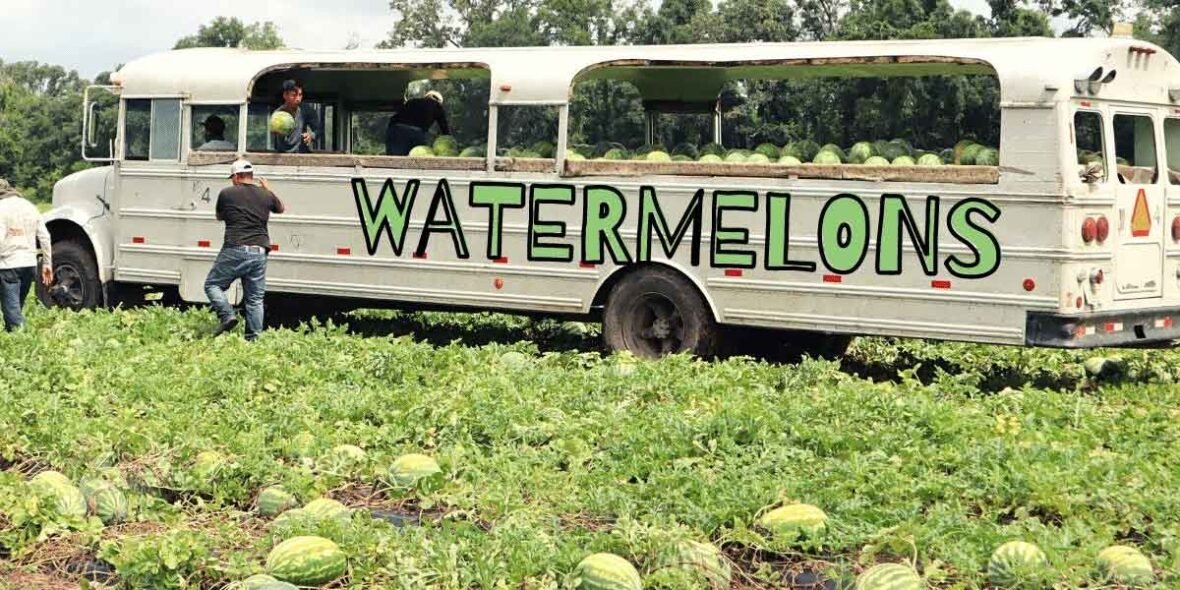
Jose M. Gracia Harvesting, Inc. has spent more than three decades supporting American agriculture as a prominent migrant labor contractor, and its expertise extends well beyond staffing into the transport and utility vehicles that keep harvest operations running. Established in 1992, the company supplies a legal workforce to farms across North Carolina, Georgia, and Florida through the H-2A visa program, helping growers meet seasonal demand for crops such as strawberries, sweet potatoes, watermelons, and tobacco. Under the leadership of company president Jose M. Gracia, the business has built and maintained a fleet of more than 300 vehicles, including specialized converted buses designed to haul watermelons and cantaloupes in shaded, secure conditions. By keeping most vehicles within a single state, the company reduces mileage, lowers maintenance costs, and extends vehicle lifespan. This attention to transport and utility vehicles reflects the operational discipline explored below.
Farming depends on much more than tractors and harvesting equipment. Transport and utility vehicles play an equally important role in moving crops, livestock, supplies, and workers efficiently throughout the production cycle. From preparing fields and transporting harvested produce to maintaining fences and delivering feed, these vehicles help farms operate smoothly while reducing labor demands and improving productivity.
Tractors are the most recognizable and versatile farming vehicles. Available in a range of sizes and horsepower ratings, tractors serve as the backbone of most agricultural operations. They can pull plows, seeders, cultivators, sprayers, balers, and trailers, making them suitable for nearly every stage of crop production. Modern tractors often feature GPS guidance, precision farming technology, and automated steering systems that improve planting accuracy and reduce fuel consumption.
Farm utility vehicles, commonly known as UTVs or side-by-sides, are compact vehicles designed to carry workers, tools, equipment, and light cargo across fields and rough terrain. Their smaller size allows them to access areas where larger machinery cannot easily travel. Farmers frequently use UTVs for fence inspections, livestock monitoring, irrigation maintenance, and transporting supplies between buildings. Because they are fuel-efficient, easy to maneuver, and capable of towing small trailers, utility vehicles help save both time and labor throughout the workday.
Pickup trucks also serve as essential farm vehicles. They are commonly used for hauling tools, seed, fertilizer, fencing materials, and livestock feed. Four-wheel-drive pickups provide excellent performance on muddy roads, uneven terrain, and remote fields. Many farmers rely on pickup trucks for traveling between multiple farm locations, transporting workers, or making deliveries to local markets.
Farm trailers are also important transportation assets. Although trailers require a towing vehicle such as a tractor or pickup truck, they significantly increase hauling capacity. Flatbed trailers transport equipment and hay bales, while dump trailers move soil, gravel, manure, and harvested crops. Livestock trailers safely transport cattle, sheep, horses, and other animals to markets, veterinary clinics, or grazing areas.
All-terrain vehicles (ATVs), commonly called quad bikes, are widely used on livestock farms and smaller agricultural properties. Their lightweight design allows operators to travel quickly across uneven ground, narrow trails, and hilly landscapes. Farmers often use ATVs to check livestock, inspect irrigation systems, distribute feed, and monitor crops. Their speed and maneuverability make them particularly valuable for daily inspections over large areas.
Skid steer loaders are compact yet powerful utility vehicles designed for material handling and construction tasks around the farm. Their small footprint allows them to operate in confined spaces such as barns, storage sheds, and livestock facilities. By changing attachments, skid steers can dig trenches, move soil, remove snow, clean animal pens, lift pallets, or clear debris. Their versatility makes them valuable year-round, especially for farmers who perform regular maintenance and infrastructure improvements.
Front-end loaders, whether mounted on tractors or operating as dedicated wheel loaders, simplify the movement of heavy materials. Farmers use them to load manure, compost, gravel, silage, feed, and harvested crops into trucks or storage areas. They also assist with land clearing, road maintenance, and general farm cleanup. Their ability to handle large volumes of material quickly reduces physical labor while increasing operational efficiency.
Specialized transport vehicles are often found on larger commercial farms. Grain carts shuttle harvested crops from combines to transport trucks during harvest, minimizing equipment downtime. Orchard platforms allow workers to safely harvest fruit from trees, while sugarcane haul-out vehicles and cotton module builders support highly specialized agricultural industries.
The benefits of farming transport and utility vehicles extend beyond convenience. They increase productivity by reducing travel time and allowing workers to complete more tasks. They improve safety by minimizing manual lifting and reducing worker fatigue. Efficient transportation also helps preserve product quality by moving harvested crops quickly to storage or processing facilities, reducing spoilage and damage.
About Jose M. Gracia Harvesting, Inc.
Jose M. Gracia Harvesting, Inc. has operated as a leading migrant labor contractor since 1992, supplying legal, well-trained workforces to farms across North Carolina, Georgia, Florida, and other states through the H-2A visa program. Led by president Jose M. Gracia, the company supports harvests of strawberries, sweet potatoes, watermelons, tobacco, and other crops while emphasizing worker safety through ongoing training in machinery operation, field sanitation, and workers’ rights. The company also manages a large fleet of transport vehicles supporting its agricultural operations.