

Key Takeaways
Whole-Person Care: Integrative wellness addresses mind, body, and spirit, not just isolated symptoms.
Enhanced Outcomes: Patients often experience faster recovery, reduced pain, and improved overall well-being through a combination of conventional and complementary therapies.
Active Patient Role: Personalized care plans empower individuals to participate in their healing through lifestyle changes, nutrition, exercise, and stress management.
Evidence-Based Integration: Safe, scientifically supported therapies such as acupuncture, chiropractic care, and mindfulness enhance traditional medical treatments.
Future-Focused: Holistic approaches, supported by emerging technologies and provider collaboration, are shaping the next generation of patient-centered healthcare.
Understanding Integrative Wellness
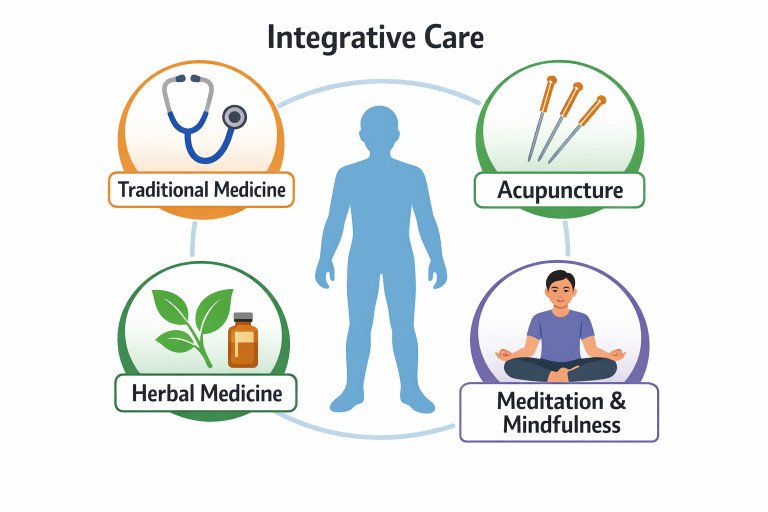
Integrative wellness combines conventional medical treatments with complementary therapies to address the whole person, mind, body, and spirit. This approach emphasizes personalized, patient-centered care, aiming to treat underlying causes of illness rather than just symptoms. By blending traditional medicine with holistic practices, integrative wellness offers a comprehensive path to health.
For instance, Well Beings Integrative Medicine, located in Wheat Ridge, Colorado, exemplifies this approach by offering services like Softwave Therapy Wheat Ridge. This non-invasive treatment uses sound waves to promote healing, reflecting the clinic’s commitment to innovative, non-surgical solutions for joint pain. Serving the Denver metro area, Well Beings Integrative Medicine has become a trusted authority in integrative health.
Core Principles of Integrative Health
Holistic Approach: Considers an individual’s biological, psychological, and social factors.
Patient-Centered Care: Empowers individuals to take an active role in their health through education and self-care.
Preventive Focus: Aims to prevent illness by promoting healthy lifestyles and addressing risk factors.
Evidence-Based Practices: Utilizes treatments that have been scientifically validated for safety and effectiveness.
Benefits of Integrative Wellness
Integrative wellness offers several advantages:
Enhanced Patient Outcomes: By addressing multiple facets of health, patients often experience improved overall well-being.
Reduced Reliance on Medications: Complementary therapies can decrease the need for pharmaceuticals, minimizing side effects.
Improved Quality of Life: Holistic approaches can lead to better mental health, increased energy, and greater life satisfaction.
Common Integrative Therapies
Several therapies are commonly used in integrative wellness:
Acupuncture: Involves inserting thin needles into specific points to alleviate pain and promote healing.
Chiropractic Care: Focuses on diagnosing and treating musculoskeletal disorders, particularly those related to the spine.
Herbal Medicine: Uses plant-based remedies to treat various health conditions.
Mindfulness and Meditation: Practices that enhance mental clarity and reduce stress.
Integrative Wellness in Practice
Healthcare providers are increasingly incorporating integrative approaches. For example, some Denver, CO, clinics offer Softwave Therapy, a non-invasive treatment that uses sound waves to promote healing. These practices exemplify the integration of traditional and complementary therapies for enhanced patient outcomes. Patients often experience reduced pain, faster recovery, and improved mobility compared with conventional treatments alone. Integrative therapies can also support overall wellness by addressing both physical and emotional health. Many providers combine these techniques with nutrition guidance, physical therapy, and stress management strategies to create personalized care plans. As a result, individuals can take a more active role in their healing process while benefiting from evidence-based, holistic interventions.
Challenges and Considerations
While integrative wellness offers numerous benefits, challenges remain:
Regulation and Standardization: Ensuring consistent quality and safety across various therapies.
Insurance Coverage: Many integrative treatments are not covered by insurance, making them less accessible.
Research and Evidence: More studies are needed to validate the effectiveness of certain complementary therapies.
The Future of Integrative Wellness
The future of healthcare is leaning towards a more holistic approach. As patients seek comprehensive care, the demand for integrative wellness is expected to grow. This shift requires collaboration between conventional and complementary practitioners to provide cohesive, patient-centered care. Emerging technologies and evidence-based therapies will continue to support this integration, offering more precise and effective treatment options. Education and training for healthcare providers will be essential to ensure safe, coordinated care across disciplines. Patients will benefit from customized wellness plans that address physical, emotional, and lifestyle factors. Ultimately, this approach aims to improve outcomes, enhance quality of life, and empower individuals to take an active role in their health.
Final Thoughts
Integrative wellness offers a promising complement to traditional healthcare by addressing the full spectrum of factors influencing health. By combining evidence-based conventional treatments with holistic therapies, this approach provides a comprehensive path to well-being. As the healthcare landscape evolves, embracing integrative wellness can lead to more personalized and effective patient care.