

Key Takeaways
Select longevity-focused materials such as engineered wood and high-performance glass.
Embrace smart home systems for greater efficiency and lower upkeep costs.
Design versatile spaces that adapt to evolving needs and lifestyles.
Implement sustainable construction techniques to reduce your home’s environmental impact.
When planning to build or renovate a home, making decisions that prioritize longevity ensures the value and comfort of your investment for decades to come. A thoughtfully constructed residence protects against costly repairs and offers a haven through changing times. Whether starting fresh or restoring an older property, integrating durable strategies from the outset pays off across generations. For those in need of expert guidance or services, considering a reputable restoration company Seattle can be the first step to a lasting solution. Homeowners in today’s market recognize the benefits of blending robust materials, advanced technologies, and sustainable practices to create resilient living spaces. Planning for the long haul involves much more than basic construction; it’s about future-proofing your property to minimize maintenance and maximize comfort.
Choosing Durable Materials
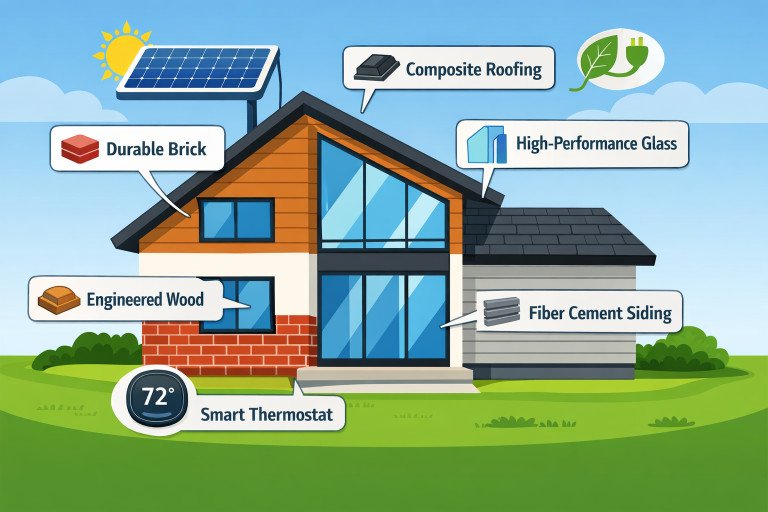
The foundation of every lasting home lies in the materials chosen during construction. Engineered wood is a practical option because it resists warping, pests, and environmental changes better than conventional lumber. Homeowners should also consider high-performance glass with low-emissivity (Low-E) coatings. This innovation not only improves insulation and energy efficiency but also extends window lifespan by providing greater protection from external elements.
In addition, opting for materials like fiber-cement siding and composite roofing products can significantly enhance a home’s ability to withstand extreme weather and the test of time. Fiber cement siding, for example, resists fire, rot, and insects, making it an ideal choice for climates prone to moisture and pests. Composite roofing materials blend the natural look of slate or wood with enhanced durability and reduced maintenance, offering homeowners greater peace of mind for their property’s exterior envelope. Brick and stone, while traditional, remain unmatched for their strength, low-maintenance qualities, and timeless appeal.
Integrating Smart Technologies
Smart home technologies contribute directly to the longevity and efficiency of modern residences. State-of-the-art HVAC systems continuously monitor indoor conditions and optimize performance, using resources only as needed. With these systems, homeowners experience consistent comfort and lower energy bills while reducing wear and maintenance frequency. Similarly, integrating smart plumbing infrastructure, including sensors that detect leaks before significant damage occurs, can help prevent major repairs and mold growth.
Today’s smart security features, video doorbells, surveillance cameras, and remote-access controls are not just conveniences but long-term investments in both the safety and resilience of the home. Automated lighting and advanced thermostat systems respond to your presence and preferences, further optimizing energy consumption and minimizing unnecessary strain on electrical components. When these technologies are integrated during the design phase, they lead to more seamless, sustainable operations over time.
Designing for Adaptability
Life evolves, and so should your living spaces. Versatile home layouts, open floor plans, sliding or movable walls, and flexible-use rooms allow residents to adjust the function of each space as circumstances change. A room that serves as a guest bedroom today might become a home office or hobby studio tomorrow. This adaptability means fewer disruptive renovations over the years and a home that seamlessly matches the rhythm of everyday life. Universal design is another aspect that supports longevity, particularly for households looking to age in place. Features such as no-step entries, wider doorways, lever-style handles, and first-floor bathrooms make homes safer and more accessible for all ages and abilities. This approach not only accommodates changing needs but also appeals to a broader market if resale is ever an option.
Implementing Sustainable Practices
Sustainability is no longer a trend but a necessity in residential construction aimed at longevity. Options like recycled steel, bamboo flooring, energy-efficient insulation, and solar-ready designs align with eco-conscious building and tighter operational budgets. Orienting your home for maximum natural light, choosing low-toxicity paints and finishes, and investing in well-planned ventilation contribute to healthier living environments and lower operational costs. For more on the benefits of green building practices, visit Los Angeles Times.
Water conservation should also play a major role in sustainable home construction. Installing low-flow fixtures, rainwater harvesting systems, and drought-resistant landscaping conserves precious resources and helps lower water bills. Incorporating permeable paving and stormwater management strategies lessens a home’s environmental footprint while reducing risks of water intrusion and foundation damage.
Prioritizing Quality Construction
Material strength and modern systems matter, but the craftsmanship behind your home is equally important. Skilled professionals who follow stringent building codes and best practices ensure each detail meets durability standards. Quality checks and regular site inspections catch hidden issues before they escalate, and experienced builders create homes that stand up to everyday wear and tear, climate fluctuations, and unforeseen events. When communities are involved in the planning process, construction tends to align more closely with local environmental standards and neighborhood needs, leading to enhanced resilience and lasting property value. Comprehensive documentation, warranties, and clear communication throughout the build further reinforce your home’s long-term prospects.
Regular Maintenance and Upkeep
Routine care is essential to preserving a home’s condition and longevity. Homeowners should schedule regular inspections of roofing, siding, plumbing, and electrical systems to address small issues before they become significant concerns. Cleaning gutters, checking weatherstripping, servicing HVAC systems, and inspecting the foundation help maintain a healthy, efficient home. Periodic professional inspections provide another layer of protection, ensuring that hidden problems like pests, moisture intrusion, and structural movement are addressed early. Home maintenance logs make it easier to track repairs, upgrades, and routine service appointments, ultimately allowing residents to take a proactive role in safeguarding their investment year after year.
Conclusion
Successful residential construction goes well beyond the initial build. Prioritizing longevity means blending solid materials, smart technology, flexibility, sustainability, and high-caliber artistry with a proactive approach to home maintenance. The result is a residence that retains value, ensures comfort, and reflects forward-thinking choices for decades to come. By understanding these fundamentals and leveraging local expertise, such as that of reliable contractors and restoration professionals, homeowners can create and preserve living spaces built to last.