

Modern construction demands building materials that can do more than simply provide structural support. Today’s residential, commercial, and modular buildings must withstand fire, moisture, daily wear and tear, and increasingly extreme weather conditions while meeting Australia’s evolving building standards. As a result, builders and architects are turning to advanced construction materials that offer superior performance across multiple areas.
One material gaining significant attention is magnesium oxide board. Known for its exceptional fire resistance, moisture protection, and durability, it has become a popular alternative to traditional wall and ceiling boards. When compared with moisture resistant plasterboard, magnesium oxide board often provides additional benefits in demanding environments where strength and long-term performance are critical.
What Is Magnesium Oxide Board?
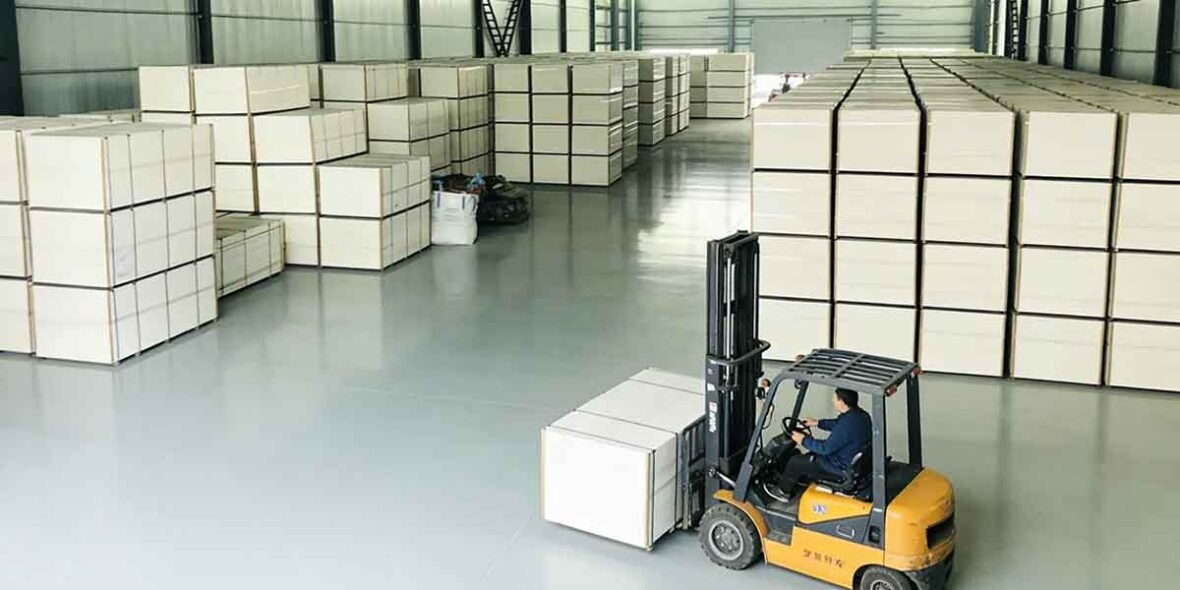
Magnesium oxide board (MgO board) is a high-performance building panel manufactured using magnesium oxide and mineral-based compounds. It is designed to deliver excellent fire resistance, moisture resistance, impact strength, and dimensional stability.
Its versatility makes it suitable for a wide range of applications, including:
- Internal wall linings
- External wall systems
- Ceilings
- Subfloors
- Fire-rated partitions
- Modular construction
- Commercial developments
- Residential homes
Its combination of strength and durability has made it an increasingly popular choice for modern Australian construction projects.
Superior Fire Resistance
Fire safety is one of the biggest advantages of magnesium oxide board.
Unlike many conventional building boards, MgO board is non-combustible and can help slow the spread of fire, providing valuable additional time during an emergency.
It is commonly specified for:
- Fire-rated wall systems
- Ceiling assemblies
- Multi-residential buildings
- Schools
- Hospitals
- Commercial facilities
- Industrial developments
Its excellent fire performance helps builders meet stringent Australian building and fire safety requirements.
Outstanding Moisture Resistance
Moisture is one of the leading causes of building deterioration.
Bathrooms, kitchens, laundries, and coastal properties are regularly exposed to humidity and water, making moisture-resistant materials essential.
Magnesium oxide board offers excellent resistance to:
- Humidity
- Water absorption
- Condensation
- Damp environments
Unlike traditional plasterboard, it is less likely to swell, soften, or deteriorate when exposed to moisture over time.
Magnesium Oxide Board vs Moisture Resistant Plasterboard
Both magnesium oxide board and moisture resistant plasterboard are designed for environments where moisture is a concern, but they serve slightly different purposes.
Moisture Resistant Plasterboard
Moisture resistant plasterboard is commonly used for:
- Bathrooms
- Kitchens
- Laundries
- Residential wet areas
It provides improved moisture resistance compared to standard plasterboard and is a practical solution for many internal applications.
Magnesium Oxide Board
Magnesium oxide board offers many of the same moisture-resistant benefits while also providing:
- Higher fire resistance
- Greater impact strength
- Improved durability
- Better dimensional stability
- Enhanced resistance to mould and mildew
For projects requiring multiple performance benefits, magnesium oxide board may be the more versatile solution.
Improved Impact Resistance
Commercial buildings, schools, hospitals, and public facilities often experience heavy daily use.
MgO board is designed to withstand:
- Accidental impacts
- Heavy traffic
- Frequent maintenance
- Equipment contact
Its high strength helps reduce cracking and surface damage, extending the lifespan of internal wall systems.
Helps Prevent Mould Growth
Excess moisture creates ideal conditions for mould and mildew.
Because magnesium oxide board absorbs very little moisture, it helps reduce the likelihood of mould developing behind wall finishes.
This contributes to:
- Better indoor air quality
- Healthier living environments
- Lower maintenance requirements
- Improved long-term building performance
Excellent Dimensional Stability
Temperature and humidity changes can cause some building materials to expand, contract, or warp.
Magnesium oxide board offers excellent dimensional stability, helping maintain:
- Flat wall surfaces
- Stable ceiling systems
- Reliable tile substrates
- Long-term structural integrity
This stability improves the overall quality and longevity of finished buildings.
Suitable for a Wide Range of Applications
Builders choose magnesium oxide board across numerous sectors, including:
- Residential housing
- Apartments
- Healthcare facilities
- Hotels
- Educational buildings
- Commercial offices
- Industrial facilities
- Modular and prefabricated construction
Its versatility makes it suitable for projects requiring high-performance building materials.
Supports Sustainable Construction
Sustainability has become an important consideration for Australian builders.
The durability of magnesium oxide board contributes to sustainable construction by:
- Extending building lifespan
- Reducing replacement frequency
- Lowering maintenance requirements
- Minimising construction waste
- Supporting efficient building design
Choosing longer-lasting materials helps reduce lifecycle costs while improving environmental outcomes.
Easy Installation
Despite its strength, magnesium oxide board can be installed using conventional construction methods.
It is compatible with:
- Steel framing
- Timber framing
- Tile systems
- Waterproof membranes
- Various internal and external finishes
This simplifies installation while maintaining efficient project timelines.
Choosing the Right Material
Selecting the appropriate wall lining depends on several project factors, including:
- Fire performance requirements
- Moisture exposure
- Impact resistance needs
- Building type
- Budget
- Australian Standards compliance
For standard residential wet areas, moisture resistant plasterboard remains an excellent option. However, where projects demand enhanced fire resistance, greater durability, and improved impact performance, magnesium oxide board offers significant advantages.
Partner with a Trusted Supplier
Choosing high-quality materials from an experienced Australian supplier ensures access to:
- Technical advice
- Product recommendations
- Installation guidance
- Compliance documentation
- Reliable product availability
- Ongoing customer support
Professional guidance helps builders select materials best suited to their project’s performance requirements.
Conclusion
Magnesium oxide board has become an increasingly popular building material because it combines outstanding fire resistance, superior moisture protection, and exceptional impact strength in a single product. Its versatility makes it suitable for residential, commercial, industrial, and modular construction projects where long-term durability is essential.
While moisture resistant plasterboard remains an effective solution for many wet-area applications, magnesium oxide board offers broader performance benefits for projects requiring enhanced fire safety, structural resilience, and moisture resistance. By choosing advanced building materials designed for Australian conditions, builders can create safer, stronger, and longer-lasting buildings that continue to perform well for decades.