

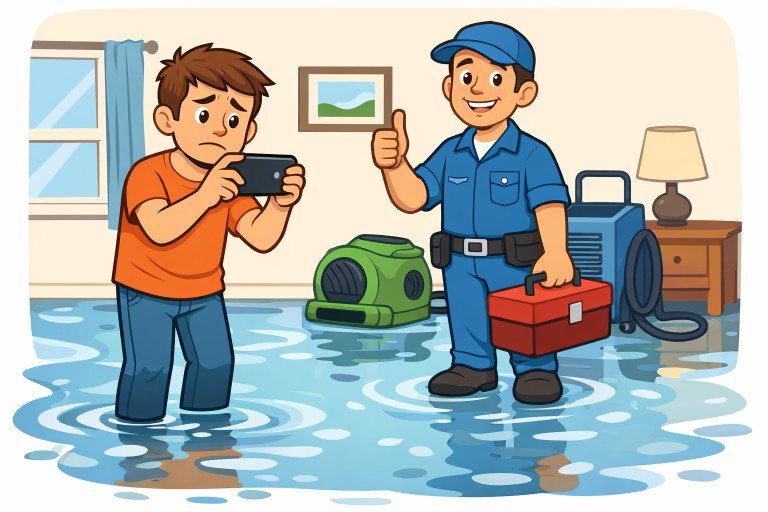
Water damage can occur unexpectedly, leaving Denver homeowners facing significant challenges. Taking immediate action is crucial to mitigate damage and expedite the restoration process. Engaging a professional restoration company Denver, such as Pure Restore, ensures thorough cleanup and prevents future issues. Pure Restore is a Colorado-based, independently owned company that offers 24/7 emergency services for residential and commercial properties. Their IICRC-certified team specializes in water, fire, and mold damage restoration, serving the Denver metro area and surrounding communities.
Assess Safety First
Before entering the affected area, ensure it’s safe. Look out for structural damage, electrical hazards, and potential contaminants. If in doubt, wait for professionals to assess the situation.
One overlooked aspect is air quality following water damage. Hidden mold spores or sewage backups can release harmful particles into the air, posing a threat to occupants’ respiratory health. Always wear protective gear, such as gloves, boots, and a mask rated for mold spores, when entering a water-damaged area. If you suspect contamination from sewage, rodents, or chemicals, do not proceed further until experts arrive. This step is particularly relevant for families with children, seniors, or immunocompromised members, who are more susceptible to waterborne and airborne contaminants.
Stop the Water Source
Identify and halt the source of water intrusion. This might involve shutting off the main water supply or addressing leaks. Prompt action can prevent further damage.
Knowing where your home’s main shutoff valve is located can save precious minutes during a crisis. In certain cases, multiple sources, such as leaking roofs and broken pipes, may be responsible for the flooding, so a thorough inspection is essential. In winter months, Denver homes face additional risks from frozen pipes, which can burst and cause significant flooding. Being prepared with tools and knowing how to shut off water at different parts of your property can be critical for quickly stopping the spread.
Document the Damage
Take clear photos and videos of all affected areas and items. This documentation is vital for insurance claims and helps restoration professionals understand the extent of damage.
In addition to photos, keep a written record of the time, date, and visible effects of water intrusion. Create an itemized list of damaged possessions, including their approximate value and year of purchase. This detailed evidence ensures a smoother claims process and can help maximize your insurance payout. If possible, preserve receipts for repairs or replacement costs related to early mitigation.
Contact Your Insurance Company
Notify your insurer about the incident as soon as possible. Provide them with the documentation you’ve gathered and follow their guidance on the claims process.
It’s helpful to understand the specific coverage details of your policy. Not all water damage is treated equally; distinctions exist between flood, storm, and accidental water damage. Ask your adjuster about exclusions, deductibles, and required mitigation steps. Your insurance company may also provide referrals to approved restoration services or have protocols for temporary housing if extensive repairs are necessary. Open and prompt communication with your insurer often minimizes the risk of claim delays or denials.
Remove Standing Water
Use pumps, wet-dry vacuums, or buckets to eliminate standing water. The quicker you remove water, the less chance there is for mold growth and structural issues.
Pay close attention to hidden areas, such as basements, crawl spaces, and wall cavities. Water often migrates beyond the obvious, lingering below floors or behind baseboards, where it can cause extensive secondary damage. Industrial-grade equipment is ideal, but for minor incidents, household fans, towels, and mops can be an effective initial response. Remember, standing water may be contaminated, so maintain proper hygiene and avoid direct contact with potentially hazardous liquids.
Dry and Dehumidify Affected Areas
After removing standing water, dry out the area using fans and dehumidifiers. This step is crucial to prevent mold and mildew, which can develop within 24-48 hours.
In Denver’s variable climate, rapid drying methods may need to be adjusted seasonally. In cold or humid conditions, dehumidifiers become particularly important. Place air movers strategically to maximize airflow, directing dry air across wet surfaces and into hidden corners. Open windows if outdoor conditions allow, and check humidity levels frequently with a hygrometer. Track progress daily and adjust equipment as areas dry out. Items such as rugs, books, and textiles may need to be moved to a dry, well-ventilated location to avoid lingering moisture issues.
Clean and Sanitize
Clean all affected surfaces with appropriate disinfectants to eliminate bacteria and prevent health hazards. Pay special attention to porous materials, such as carpets and upholstery.
Dispose of items that cannot be thoroughly cleaned, such as heavily soaked insulation or drywall, as these materials often harbor mold even after surface drying. For nonporous surfaces, use EPA-approved disinfectants designed for flood cleanup. High-touch areas such as doorknobs, switches, and appliances should be wiped down multiple times. If odors persist, consider specialized treatments like ozone or hydroxyl generators, which can neutralize stubborn smells often left by floodwaters.
Seek Professional Help
Engaging a professional restoration company ensures thorough cleanup and restoration. In Denver, Pure Restore offers 24/7 emergency services, specializing in water, fire, and mold damage restoration. Their IICRC-certified team is equipped to handle emergencies promptly and serves the Denver metro area with expertise and care.
Professional teams deploy advanced moisture detection tools, thermal imagers, and commercial-grade drying equipment. They also perform structural assessments, monitor for hidden mold growth, and guide you through repair and reconstruction, from drywall replacement to full rebuilds if necessary. Pure Restore’s local experience means familiarity with Denver-specific risks, such as basement flooding, snowmelt, and heavy summer rainstorms, that can inform the most effective strategy. Their experts often coordinate directly with your insurance provider, easing the administrative burden so you can focus on recovery and protecting your family.
Preventing Future Water Damage
Once recovery is underway, don’t overlook prevention strategies to reduce the risk of recurrence. Inspect your property regularly for leaks or drainage issues. Install water leak detectors and automatic shutoff valves, which provide alerts and halt water at the source in case of a malfunction. Properly grade landscaping so rainwater drains away from your foundation, and clean gutters and downspouts before major storms. If you have a finished basement, consider installing a sump pump and backup power source, which can be invaluable during unexpected weather events. Lastly, keep important documents and irreplaceable items in waterproof containers stored above ground level.
By following these steps and enlisting professional assistance, you can effectively navigate the aftermath of water damage and restore your home to its pre-damage condition. Proper planning and prompt response not only safeguard your property but also protect your peace of mind in the face of unexpected disasters.