

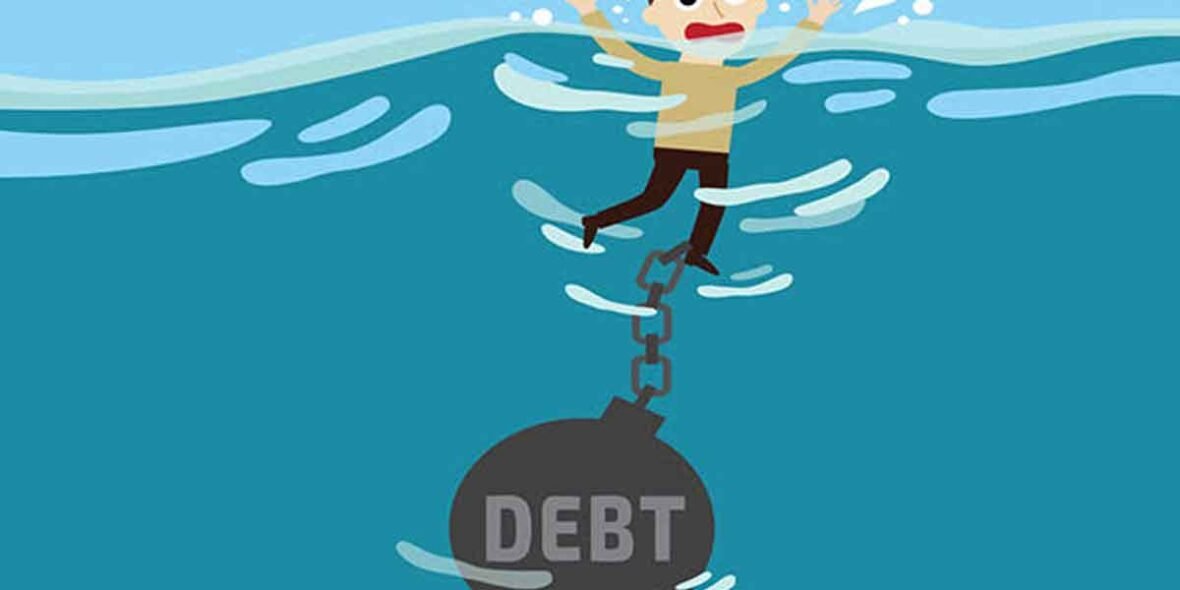
Falling behind on bills is incredibly… stressful – and that’s the tame word for it. It might be due to unexpected medical expenses, or job loss, or high-interest credit card balances. No matter the reason, debt has the power to become overwhelming. Fast.
The good news, you don’t have to face it without options.
There are several ways to regain control of your finances. The right solution, though, will depend on your individual circumstances. Take the time to understand your choices. Doing so helps you make a more informed decision and work toward a healthier financial future.
Keep reading on to learn what debt relief options you have.
Debt Settlement
Debt settlement involves negotiations. You negotiate with your creditors to accept less than the total amount you owe. In many cases, this option is considered by those experiencing significant financial hardship, particularly when they are unable to keep up with their monthly payments.
The process here is complex, more so if you’re dealing with multiple creditors. That’s why many people choose to seek professional guidance. For example, Cordoba Legal Group is a law firm specializing in debt settlement. Such professionals help clients explore negotiated solutions that may reduce their overall debt burden while working toward financial stability.
If you seek their assistance, you’ll receive useful advice. After all, they know the industry. They have the insight. Alfredo Cordoba, founder of Cordoba Legal Group, has said, “Treat your debt like a house on fire—it doesn’t matter how it started, only how quickly and aggressively you can put it out.” And that’s exactly what this Group will help you do.
It’s important to understand this isn’t the best fit for all. It might affect your credit score. Not all creditors will agree to settle. So, before moving forward, carefully review the potential benefits and drawbacks based on your financial situation.
Direct Hardship Programs
If you’re struggling to make payments but want to avoid falling further behind, a hardship program is worth exploring. Many lenders and credit card companies offer temporary relief for those facing financial difficulties.
Depending on the creditor, a financial hardship program may reduce your interest rate, lower your monthly payment, waive certain fees, or temporarily pause payments while you recover financially.
The sooner you contact your creditors, the more options you’re likely to have. Don’t wait until accounts are significantly overdue. This makes negotiations more difficult. As a result, it’s typically best to ask about available assistance as soon as financial challenges occur.
Debt Consolidation
Debt consolidation combines multiple debts into a single payment. This might be through a personal loan or balance transfer credit card. For some borrowers, this simplifies budgeting and potentially lower interest costs, especially if they qualify for a better interest rate than they’re currently paying.
But debt consolidation doesn’t erase the debt itself. Success depends on making consistent payments. It also depends on avoiding the accumulation of new balances after consolidating existing ones.
Before choosing this option, compare loan terms carefully. Calculate the total repayment cost, too. You’ll ensure the consolidation will actually save you money over time by doing so.
To conclude, when it comes to debt, you aren’t alone. If you look for help, you’ll usually find it – as long as you know where to go. However, there’s no one-size-fits-all solution. What works best for you will depend on your income, total debt, financial goals, and ability to make payments.