

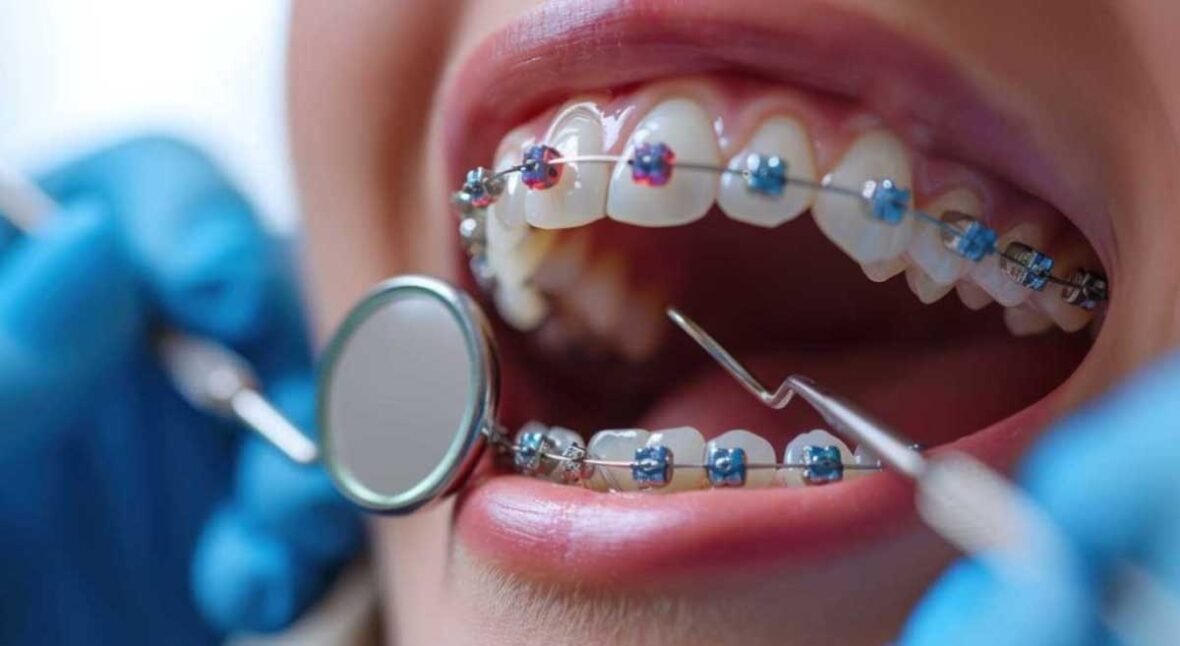
Bracket choice affects visibility, comfort, appointment length, and the daily routine at the bathroom sink. First-time patients usually hear about four or five options at a single consultation. Each type carries a distinct set of features worth a closer look. Patients in Kelowna can use the summary below ahead of a first orthodontic appointment.
Traditional Silver Brackets Set the Standard for Efficiency
Stainless steel brackets bond to the front of each tooth with a thin adhesive layer. Traditional braces in Kelowna remain a common first choice, since the metal handles heavy tooth movement well. The slot in each bracket holds the archwire that carries the force. Visibility stays high, which some patients accept in exchange for predictable results.
Repairs are simple when a bracket comes loose at a meal. The material resists stains from coffee, curry, and tomato sauce. Practices across British Columbia keep this option as the base of most treatment plans.
Clear Brackets Lower Visibility With Added Upkeep
Ceramic brackets match tooth shade closely, so they blend at conversation distance. They stay visible up close, since the archwire and the bracket outline still show. Ceramic behaves as a brittle material, so a bracket can chip under heavy bite force. Cost sits at a higher point, which comes up at consultations in Kelowna.
Daily Habits That Keep Clear Brackets Bright
Ties around ceramic brackets pick up pigment from tea, red wine, and dark sauces. A soft brush after meals helps limit that colour change. Water rinses between meals may help improve how the ties hold their shade.
Combination Setups and Removable Aligners Widen the Choice
A combination plan for braces in Kelowna places ceramic brackets on the upper arch with metal below. The lower teeth stay hidden at most angles, so appearance holds up in photographs. This setup reduces breakage risk while it keeps the visible zone discreet. Removable aligners form the fifth option, with clear trays worn for about two weeks each.
Aligner therapy carries a distinct feature set.
- Trays that come out at meals, which leaves normal food choices open
- A brush and floss routine with no wires in the way
- Treatment lengths that usually run 6 to 18 months
- Wear time near 22 hours a day to hold the schedule
- Suitability limits on severe rotations or jaw discrepancies
Orthodontists in Kelowna Match the Bracket Type to the Case
A first exam covers photographs, an X-ray, and a scan of both arches. Heavy rotations point toward fixed brackets, since a wire applies steady force. Mild crowding opens the door to trays or to a combination setup.
Budget, sport activity, and daily routine enter the same conversation. Clinics in British Columbia also review gum health before any bracket is bonded. Patients in Kelowna leave the visit with a written plan for the chosen type.
FAQs
1. What are the key benefits of traditional silver brackets?
Stainless steel brackets handle heavy tooth movement efficiently to deliver predictable results. They resist staining from coffee, curry, and dark sauces better than other options. In addition, loose metal brackets are quick and simple to repair during treatment.
2. How do clear ceramic brackets compare to traditional metal braces?
Ceramic brackets closely match natural tooth shades, making them far less visible at conversation distance. The elastic ties around the brackets also require consistent brushing to avoid staining from dark foods and drinks.
3. How do orthodontists determine which brace type is right for a patient?
An initial consultation includes photographs, X-rays, and a scan of both arches to examine the bite structure. Heavy tooth rotations usually require fixed brackets, while mild crowding opens the door to removable aligners or combination setups.
Silver brackets, coloured ties, ceramic brackets, combination setups, and removable trays cover the main options. An orthodontic exam in Kelowna confirms which feature set suits an individual bite. Residents of British Columbia can weigh visibility, upkeep, and cost at that appointment. A type matched to the daily routine may help improve comfort across the whole treatment.