

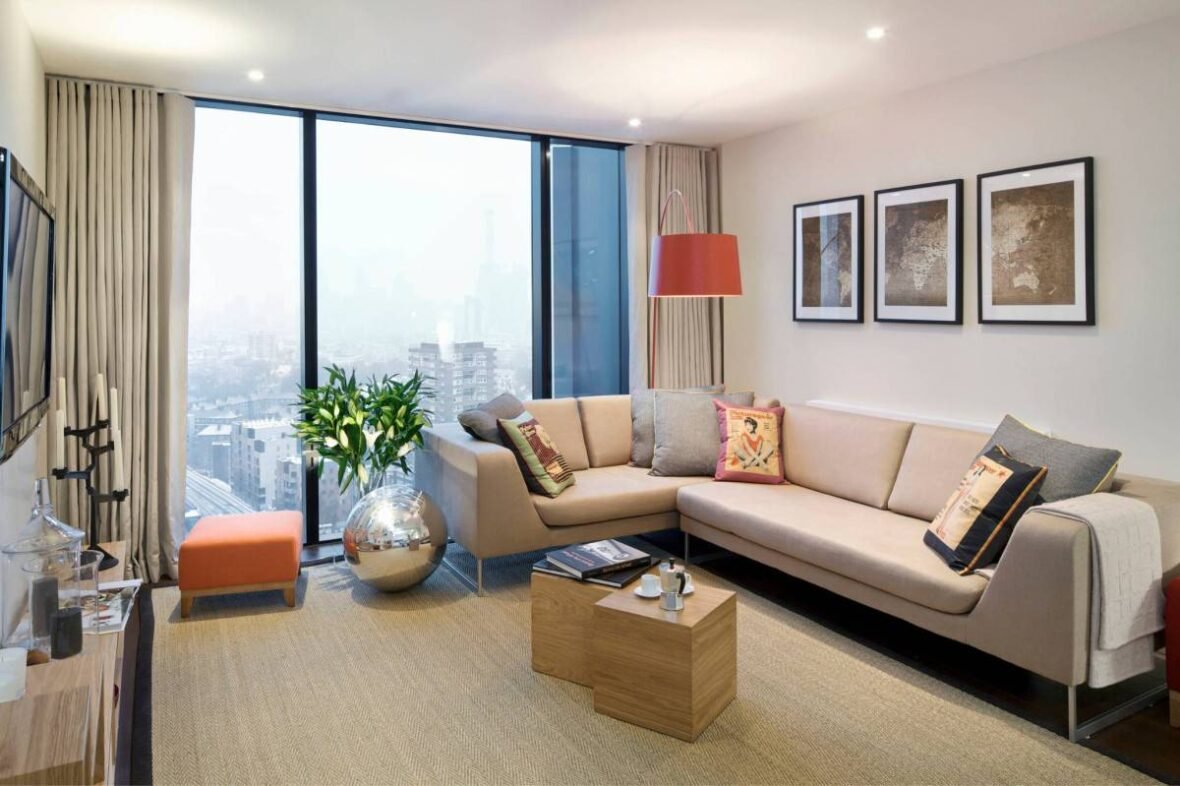
Modern apartment design focuses on creating spaces that are comfortable and functional for residents. Safety features are now a standard part of apartment planning because they protect individuals and improve their daily experience. Thoughtful design, which includes secure entry systems, improved lighting plus emergency planning, makes apartments more reliable.
Improving Resident Protection
Enhanced safety features lower common risks within apartment buildings and individual units. Entrances with secure locks and controlled access systems limit unauthorized entry – these features are useful in large apartment communities where many people share common areas.
Designs that focus on safety also help residents feel comfortable in their homes. Individuals who search for rental properties often evaluate security features before choosing a rent in Calgary. Apartments with practical safety measures provide a dependable living environment.
Supporting Better Emergency Preparedness
Apartments are more effective during emergencies when they include specific safety features. Fire alarms, emergency lighting but also marked exits provide guidance during unexpected situations – these resources ensure that residents have the tools necessary for their protection.
Emergency planning is more efficient when apartment layouts are logical. Clear pathways and organized common areas allow residents to move safely when necessary. Design choices that account for emergency situations create a building that is prepared for various challenges.
Enhancing Building Security
Modern security systems use technology to provide monitoring options. Surveillance systems, secure areas for packages and electronic entry controls improve building safety – these tools allow property managers to observe important areas as well as keep residents aware of their surroundings.
Improved security design also supports communication between residents and property management. When buildings prioritize safety, residents are more likely to report concerns or potential issues – this proactive method helps maintain a secure community over time.
Improving Indoor Safety
Safety features within individual units help prevent accidents. Electrical planning, reliable appliances and stable building materials lower hazards. Updated systems that manage electricity use contribute to safer living conditions for all residents.
Apartment interiors are better when they include slip resistant flooring, secure windows or accessible layouts – these improvements make spaces easier to navigate for people with different physical needs. A well designed apartment addresses both immediate hazards and long term usability.
Supporting Resident Comfort And Privacy
Safety features create a sense of privacy within apartment communities. Secure doors and controlled access areas establish clear boundaries between private homes next to public spaces. Lighting around entrances also helps residents feel comfortable in shared environments.
Effective safety design allows residents to use their apartments with fewer concerns about security. When individuals are confident in their surroundings, they can focus on their daily routines. Features that improve safety and privacy work together to create a positive experience.
Increasing Property Appeal
Apartments with strong safety features are often more attractive to potential residents. Many renters evaluate how a property supports secure living in addition to basic amenities. Safety improvements increase the appeal of a building – demonstrating that resident welfare is a priority.
Property owners receive long term benefits when they invest in safety focused design. Security systems and updated building features protect the property plus improve resident satisfaction – these upgrades also encourage residents to stay in a building where they feel secure.
Supporting Long Term Apartment Value
Safety improvements contribute to the long term value and reliability of a property. Buildings that meet modern safety standards are better prepared for changing resident expectations. Safety remains a primary factor for individuals who are making decisions about where to live.
Thoughtful safety design provides a foundation for property management. Regular maintenance of safety systems prevents small problems from becoming larger concerns. A focus on safety supports both residents and owners – creating a dependable environment.
Methods for Increasing Accessibility & Inclusive Safety
Building designers are responsible for considering the physical requirements of residents with various mobility levels. Safety increases for many people when pathways are wide, entrances are accessible and lights are in functional locations. Features that are easy to operate also contribute to this environment. Occupants are able to move through their homes with more certainty when design is inclusive.
Building usability is generally higher when safety features focus on accessibility. Residents are able to travel through spaces with ease if common areas and private units are free of obstructions – these modifications are practical for all individuals and ensure that a building is suitable for long term residence.
Conclusion
Designing apartments with improved safety features provides benefits for residents but also managers. Secure access, emergency planning and safe interiors contribute to a better living experience. Properties that prioritize safety create comfortable homes that are secure and convenient.