

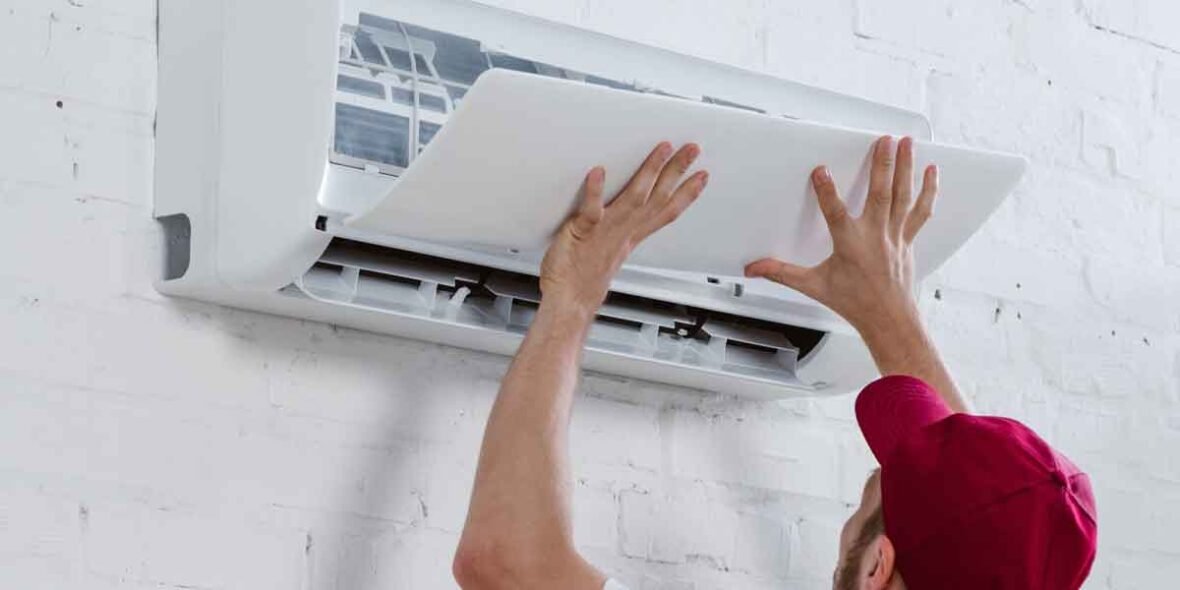
Air conditioning plays a crucial role in maintaining comfort, especially during peak summer months. For homeowners considering a new system or an upgrade, making the right choices during installation can directly affect comfort, energy bills, and equipment longevity. Investing in proper air conditioning practices and professional guidance, such as AC replacement in Richmond Hill, can help you avoid unnecessary expenses and ensure consistent cool air throughout your space.
Effective installation requires attention to technical details often overlooked by those unfamiliar with HVAC best practices. From selecting the right unit size to ensuring high-quality ductwork and opting for regular maintenance, homeowners can achieve long-term savings and reliability by following a strategic process.
Comprehensive seasonal care involves looking beyond the cooling system to ensure that heating units are equally prepared for temperature shifts. When colder months arrive, having a reliable heating system prevents sudden breakdowns and maintains home comfort. Homeowners who want to secure consistent warmth can rely on furnace repair in West Union to inspect components, clean vital parts, and ensure efficient operation before winter arrives.
Understanding the Importance of Proper Sizing
Choosing an air conditioning unit that aligns with your home’s requirements is essential for comfort and cost efficiency. An oversized air conditioner may lead to frequent cycling, increasing energy consumption, and placing undue stress on components. On the other hand, an undersized system will struggle to maintain consistent temperatures, especially during extreme weather. The industry-standard “Manual J” calculation, as outlined by the Air Conditioning Contractors of America (ACCA), evaluates multiple aspects of your home, including square footage, window types, insulation levels, and occupancy patterns, ensuring the most accurate unit selection. Taking the time to perform or request a professional load calculation can prevent many common performance issues.
Strategic Placement of Units
The placement of both indoor and outdoor units affects an air conditioner’s efficiency. Avoiding direct exposure to sunlight or heat sources is critical for indoor unit performance, as it prevents inaccurate thermostat readings. For outdoor components, locate the unit in a shaded, well-ventilated area to help prevent overheating and ensure optimal airflow. Units placed too close to walls, fences, or dense shrubbery are susceptible to reduced airflow and increased strain, which can decrease efficiency and shorten system lifespans.
Ensuring High-Quality Ductwork
Ductwork that is poorly designed or improperly sealed can result in significant energy loss—up to 20 percent of conditioned air may be lost before it even reaches your living spaces. Straight, short duct runs with minimal bends help reduce air resistance and conserve the energy your AC unit expends. Properly sealing all duct joints and insulating runs, particularly those passing through unconditioned spaces like attics or crawl spaces, keeps the air at the desired temperature and improves comfort. Regular inspection and maintenance of your ductwork also helps eliminate leaks and blockages that compromise system performance.
Regular Maintenance for Longevity
Staying ahead of maintenance tasks ensures your air conditioning system remains reliable year-round. Basic actions like cleaning or replacing air filters every 1 to 3 months have been shown to lower energy use by as much as 15 percent. Scheduling annual inspections with certified HVAC professionals can uncover developing issues with refrigerant levels, motors, or electrical connections, enabling preventive action before system downtime or costly repairs.
Regular checkups are particularly helpful for managing the unexpected strain that extreme seasonal temperatures can place on mechanical components. When a system is forced to run for extended periods during a heatwave, minor wear and tear can quickly escalate into a complete breakdown. By working with a local professional for hvac maintenance, property owners can ensure that every part of their cooling setup is prepared to handle peak demand. These routine evaluations often focus on cleaning essential parts and verifying that all safety controls are responsive, which contributes to a more consistent indoor environment and supports the overall health of the equipment.
Utilizing Smart Thermostats
Smart thermostats are a modern upgrade that deliver enhanced temperature control and adaptability to household routines. These devices learn user preferences and automatically optimize system operation for comfort and savings. By leveraging features such as programmable schedules, remote access, and real-time energy usage reports, homeowners can reduce unnecessary cooling when the house is empty and boost efficiency. Many models also alert users when it is time for filter changes or system maintenance, helping to further prolong HVAC lifespan and reliability.
Considering Energy Efficiency Ratings
When investing in a new air conditioning unit, always consider the Seasonal Energy Efficiency Ratio (SEER) rating. Higher SEER ratings indicate greater efficiency, meaning the unit requires less electricity to produce the same cooling output. Though high-SEER systems often cost more upfront, the investment pays off through reduced monthly bills and a lower carbon footprint. Selecting a system rated for optimal performance under your local climate is a critical step in sustainable home improvement.
Building a climate-resilient home often involves balancing energy usage with seasonal performance needs. For those living in areas with high humidity or extreme summer temperatures, a standard setup might not provide the necessary moisture removal or cooling power required during peak months. Homeowners who prioritize a customized approach can benefit from an alpharetta air conditioning installation that accounts for specific house layouts and environmental variables. This tailored strategy helps maintain a consistent indoor temperature while reducing the mechanical strain on the unit. Ensuring the system is correctly matched to the local environment supports better air quality and contributes to more manageable utility costs throughout the year.
Professional Installation Matters
Professional installation ensures your system operates to its full potential. Complexities such as refrigerant charging, electrical setup, and precise calibration call for specialized expertise and proper licensing. Certified technicians are trained to handle these critical steps, ensure safety, confirm code compliance, and optimize each part of your HVAC setup.
Beyond technical accuracy, local environmental factors also influence how these systems perform over time. For instance, homes in specific regions may face unique challenges related to humidity or temperature fluctuations that require specialized attention during the initial setup. Homeowners who want to understand more about these regional considerations and how they impact long-term efficiency can explore the page for local service insights. By coordinating professional installation with an awareness of local climate needs, you can better ensure that your cooling equipment remains durable and effective throughout its operational lifespan.
Inadequate installation can lead to leaks, cause electrical issues, or even void manufacturer warranties, underscoring the importance of relying on experienced professionals for new system installations and major replacements.
Properly maintaining your cooling unit and following manufacturer guidelines is also necessary to keep these warranties active over the long term. Many homeowners do not realize that missing a single annual service visit can be grounds for a claim denial if a major component fails later. Engaging a skilled contractor like Complete Heat and Air helps ensure that your equipment is handled according to the specific standards required by the brand. These routine evaluations support consistent airflow and help identify minor wear before it causes a system breakdown, allowing you to sustain a comfortable indoor environment without the risk of losing your financial protection.
Navigating these technical requirements is much easier when homeowners coordinate with experienced technicians who understand local building codes and safety standards. Establishing a clear line of communication with your service team allows for a more personalized approach to system testing and calibration. When you are ready to discuss specific cooling needs or system layout for your property, it is often helpful to get in touch with a specialist who can provide a detailed assessment. This direct collaboration ensures that every mechanical component is integrated correctly, supporting consistent airflow and long-term system health throughout the year.
Conclusion
Well-planned air conditioning installation enhances comfort, efficiency, and long-term value. By prioritizing correct sizing, strategic unit placement, quality ductwork, smart thermostat upgrades, and regular maintenance, homeowners can preserve their indoor climate and minimize energy costs. Including professional installation as a standard step further guarantees optimal system performance and peace of mind for years to come.