

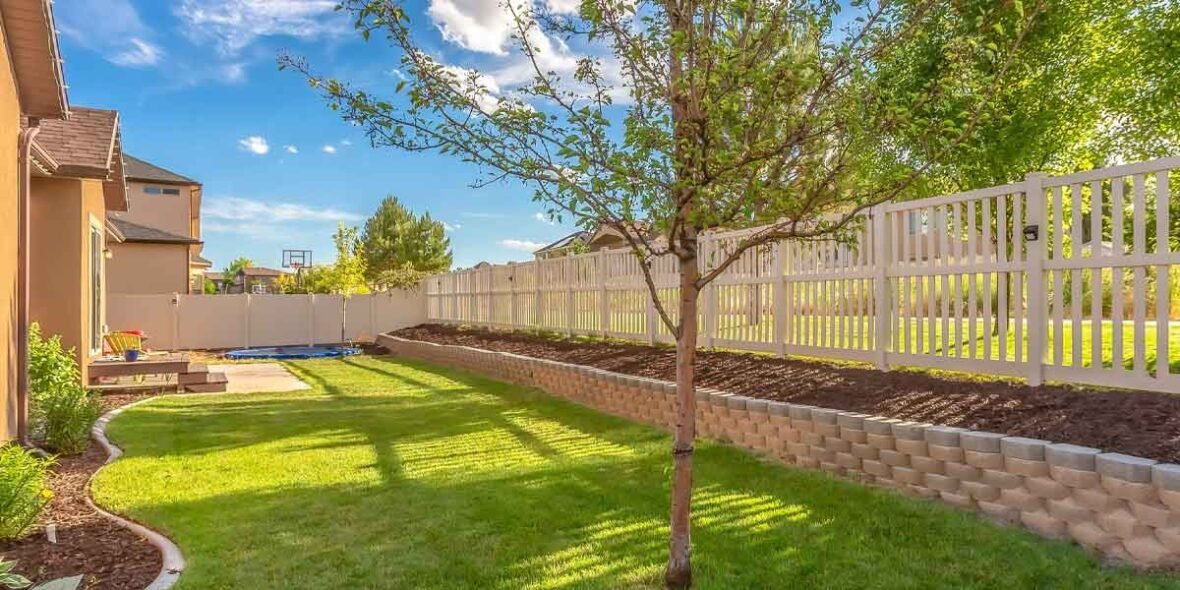
Installing a fence can transform your property by enhancing privacy, boosting curb appeal, and securing boundaries. With the sheer variety of materials and styles available, making the right decision can feel overwhelming. By focusing on your priorities and understanding the pros and cons of each option, you can confidently choose a fence that perfectly matches your property’s needs. For those considering specialized options such as industrial fencing, certain materials and installation practices may stand out as particularly suitable or durable. The ideal fence is not just a boundary, but a long-term investment. Your selection will influence maintenance requirements, compliance with local regulations, and even your future expenses. Knowing what matters most to you will ensure that your new fence adds both value and function to your home or business.
Determine Your Fencing Needs
Clearly defining your goals will simplify your search for the right fence. Are you looking to increase privacy, deter intruders, keep pets or children safe, or add an attractive feature to your yard? Some fences are better at noise reduction, while others prioritize visibility or style. Commercial and residential properties may have different needs, with businesses often requiring secure, durable fencing above all else.
Explore Fence Materials
Each fencing material offers unique characteristics and benefits that can affect appearance, durability, and price:
- Wood:Offers a warm, timeless appearance and can be tailored to various designs. However, wood is susceptible to rot, pests, and weather-related wear, which means it will require regular treatment and possible repairs over its lifespan.
- Vinyl:Increasingly popular for its low maintenance and resistance to insects and moisture. While vinyl tends to have a higher upfront cost, its longevity often offsets those costs.
- Aluminum:Featuring a sleek, modern design, aluminum is rustproof and requires little upkeep. It is a common choice for decorative fences and for areas with challenging weather conditions.
- Chain Link:Known for being cost-effective and sturdy, chain link fences are often used in commercial and industrial settings. While they prioritize security and functionality, newer designs offer greater aesthetic flexibility.
Consider Maintenance Requirements
The longevity and appearance of your fence depend heavily on the level of maintenance it requires. Wood fences typically need periodic painting, staining, or sealing to prevent decay. Aluminum and vinyl fences are much easier to maintain, needing only occasional cleaning to look their best. Chain link fences may rust over time if untreated, but newer coatings have made them more durable than ever. Consider your willingness and ability to invest time in upkeep when choosing your material.
Evaluate Climate and Environment
Your region’s weather plays a pivotal role in the longevity of your fence. Warm, humid climates can accelerate wood deterioration unless the material is properly treated and maintained. Vinyl and aluminum are generally better at handling moisture and drastic temperature changes, offering long-lasting performance with minimal upkeep. In coastal regions or areas with heavy snowfall, corrosion resistance, structural strength, and proper installation should be top priorities. Choosing a fence material that matches your local climate can prevent premature damage, reduce repair costs, and extend the life of your investment. Regular inspections and timely maintenance also help protect your fence from weather-related wear, ensuring it continues to provide security, privacy, and visual appeal for many years.
Understand Local Regulations
Before ordering material or scheduling installation, it is crucial to review local zoning laws and homeowners’ association (HOA) guidelines. Restrictions might dictate fence height, permitted materials, and even color or style. Permits may also be required, and failing to comply with local rules can lead to costly penalties or forced removal. Proactive research and clear communication with your municipality or HOA can help you avoid such pitfalls.
Budget Considerations
Factor both immediate and long-term costs as you plan your fence. Wood may be less expensive to install, but it can incur ongoing maintenance costs over time. Vinyl and aluminum are pricier upfront but typically require little to no repair work after installation. Chain link is generally the most affordable and durable, favored for larger projects where value is key. Remember to account for both material and labor costs, especially for businesses that require industrial-grade fencing.
Installation Options
Once you have chosen your material and confirmed compliance with local rules, the next step is installation. Professional installers ensure the fence is secure, evenly spaced, and built to code, though at a higher total cost. Skilled DIYers might save money by installing themselves, provided they have the proper tools, knowledge, and time. For more complex projects or large properties, enlisting experienced professionals is generally recommended to ensure long-term success.
Conclusion
Selecting the right fence is a thoughtful process that involves more than just picking a style you like. By carefully weighing your fencing needs, evaluating available materials, and considering long-term maintenance and local restrictions, you can protect your investment and enjoy peace of mind. A well-chosen fence will not only secure your property but also enhance its value and enjoyment for years to come. Taking the time to compare options, understand installation requirements, and work with experienced professionals can help ensure the best results. Whether your priority is privacy, security, curb appeal, or durability, the right fencing solution can provide lasting benefits while complementing your property’s design. A quality fence is a long-term investment that adds functionality, beauty, and confidence to your outdoor space.