

The Shift Towards Social Media for Information
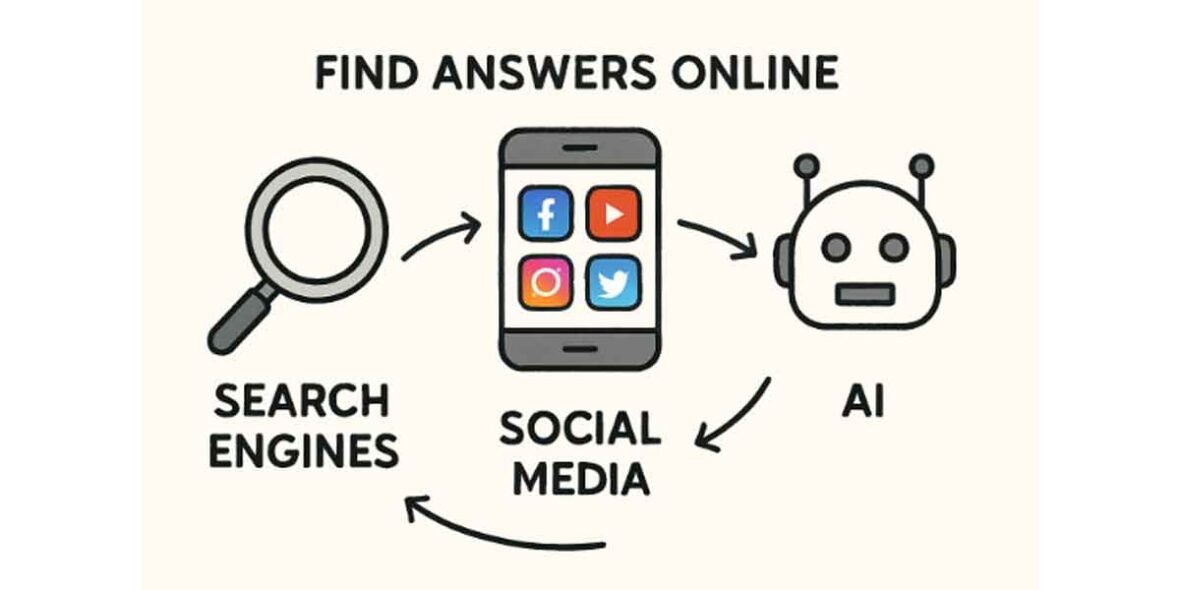
The digital landscape is shifting from search engines to interactive, community-driven platforms like Facebook, Instagram, and TikTok, which are now primary sources for news, discussions, and recommendations, especially among younger users. Social media’s flexibility enables information to be shaped by conversations and trends, with over half of U.S. adults obtaining news through these channels. This change diversifies public opinion and amplifies the voices of new influencers, allowing users to access diverse perspectives and timely updates more quickly. For brands and organizations looking to adapt to these changes, exploring AEO services with Victorious can be a strategic step in optimizing for modern search behavior. Embracing the nuances of social media-driven search allows businesses not only to be discovered in new places but also to engage audiences with authentic, timely content that builds trust and deeper connections. This approach requires a shift toward platform-specific strategies that prioritize engagement, credibility, and responsiveness over traditional keyword-only tactics. By meeting audiences where conversations are already happening, organizations can remain visible, relevant, and competitive in an increasingly social-first digital ecosystem.
Gen Z’s Preference for TikTok and YouTube
At the forefront of this shift in online behavior is Generation Z, a demographic recognized for its native digital fluency and preference for rich, multimedia experiences. Raised in an environment where swiping and searching happen almost instinctively, Gen Z seeks out platforms that deliver answers in visually compelling formats and often through voices that feel genuine and relatable. Recent research by Axios highlights that platforms like TikTok and YouTube are quickly replacing Google as the go-to resources for a broad array of topics, ranging from breaking news and product recommendations to lifestyle tips and how-to tutorials. The search habits of Gen Z are notably distinct: instead of typing precise queries into a search bar, they often use platform-specific search features or simply scroll through trending topics and hashtags until they find what they need.
Their growing preference is rooted in these platforms’ unique ability to provide not just simple answers, but context-rich, visual storytelling facilitated by creators they trust and relate to—many of whom are their peers, rather than credentialed experts. Rather than scrolling through text-heavy pages of blue links, Gen Z prefers information delivered in an entertaining, succinct, and easily shareable way, often accompanied by music, effects, and commentary that help put answers into context. This dynamic underlines why brands, organizations, and even educators targeting younger audiences must rethink traditional SEO strategies, which rely heavily on long-form blog posts and static web pages, and instead consider how to surface their expertise and credibility on these emerging platforms.
With the authenticity and relatability of content creators often outweighing the authority of traditional media, audiences are learning to trust new sources—with both positive and negative implications for accuracy, bias, and depth of information. As a result, this new era of information retrieval presents both incredible opportunities for rapid and engaging communication and new challenges in maintaining standards for reliability and source verification.
The Role of Artificial Intelligence in Information Retrieval
While social media has risen in prominence, artificial intelligence (AI) is also transforming the search experience, introducing a powerful new dimension to how people find answers online. Major search engines, such as Google and Bing, are now integrating AI-driven language models at the top of their results, providing users with instant, synthesized answers and concise summaries tailored to their needs. These AI solutions utilize advanced algorithms to aggregate information from various sources, instantly generating responses to a wide range of questions, from simple factual queries to complex, multi-step problems. These tools are especially popular for complicated or time-sensitive queries, such as health advice, financial calculations, travel planning, and current events, where cutting through information clutter is crucial.
Nearly 80% of U.S. adults go online for health-related questions and are increasingly exposed to answers that have been generated—or at least heavily influenced—by AI. The use of AI enables not only speed but context-awareness, tailoring responses to the user’s intent, previous browsing behavior, search history, and even geographic location. This not only streamlines the research process but also creates a user experience that feels more personal and intuitive than traditional search results.
However, the growing reliance on AI technology also brings forth questions about the reliability, impartiality, and transparency of algorithmically generated content. While AI can efficiently synthesize vast amounts of data, it may also amplify errors, outdated information, or the inherent biases present in its training data. Users should regularly evaluate the accuracy of these results by cross-referencing them with established, reputable sources to gain a broader context and verify their findings. Brands aiming to maintain visibility and authority amid these AI-driven changes should consider strategies that ensure their content is structured, authoritative, and easily processed by evolving algorithms, such as optimizing for featured snippets and answer boxes.
Trust and Reliability in Online Information
As platforms and technologies continue to evolve at a rapid pace, the challenge of distinguishing factual content from misinformation has become increasingly pressing for every internet user. With so much information accessible in real time and from a seemingly unlimited array of voices, users must sharpen their critical thinking skills and resist the temptation to accept viral but inaccurate claims at face value. Critical scrutiny, such as verifying information against established media outlets or reputable academic institutions, should be a standard practice for online users seeking reliable answers.
For organizations, professionals, and influencers, earning trust in the current digital landscape means demonstrating credibility through transparency, accountability, and a willingness to visibly correct errors. Encouragingly, some social media platforms have begun introducing more rigorous content moderation, automated flagging for questionable claims, and collaborative fact-checking initiatives. Despite these efforts, the ultimate responsibility remains with the user to consume information critically and confirm accuracy by consulting multiple reputable sources—balancing the speed and convenience of modern answers with thoughtful, deliberate verification.
Conclusion
The digital information ecosystem is evolving at an unprecedented pace, propelled by powerful new technologies and shifting user preferences. The rise of social media and artificial intelligence has revolutionized the way the world finds answers, placing platforms like TikTok, YouTube, and intelligent search engines at the forefront of the information revolution. For users and brands alike, the keys to success will be staying informed, adaptable, and discerning—utilizing every new tool and channel, but never compromising on standards of accuracy and reliability. As this landscape continues to change, a commitment to critical thinking, credible sourcing, and a willingness to evolve alongside technology will ensure that every answer found online is both useful and trustworthy.