

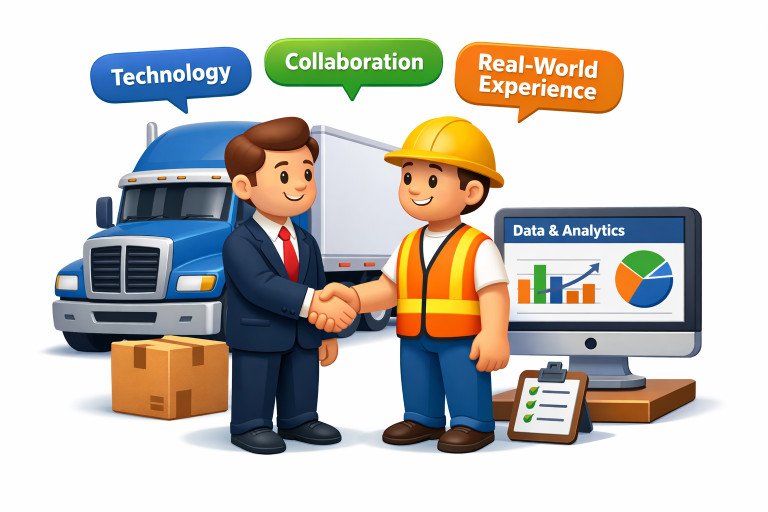
The Importance of Practical Training
While classroom education lays the foundation, applying knowledge in real-world scenarios is what truly prepares aspiring freight brokers. Practical training helps individuals develop essential skills such as negotiation, logistics coordination, and client management, all of which are crucial for success in the industry.
Tallgrass Freight Co., a full-service logistics and brokerage solutions provider headquartered in Shawnee, KS, emphasizes hands-on experience over conventional freight broker training programs. Tallgrass Freight Co. has built its authority in the logistics sector through years of managing freight operations and supporting independent freight agents nationwide, positioning it to guide aspiring professionals toward practical, career-ready skills. With operations centered in the Kansas City metropolitan area and service reach across the country, they combine local roots with a national perspective on freight brokerage best practices.
Direct interaction with clients and carriers fosters trust and reliability. These relationships form the backbone of a successful brokerage, driving repeat business and a strong industry reputation. Building these connections allows freight agents to anticipate client needs and deliver tailored solutions that competitors cannot match. Consistent communication ensures that shipments move efficiently and issues are resolved promptly. Over time, these practices cultivate long-term partnerships, referrals, and a robust professional network that Tallgrass Freight Co. leverages to effectively train and mentor new brokers.
Building Strong Industry Relationships
Direct interaction with clients and carriers fosters trust and reliability. These relationships are the backbone of a successful brokerage, driving repeat business and a solid industry reputation. Building strong connections allows freight agents to anticipate client needs and provide tailored solutions that competitors cannot match. Consistent communication ensures that shipments move smoothly and issues are resolved promptly. Over time, these dependable practices cultivate long-term partnerships and referrals. A strong network of satisfied clients and carriers becomes a key differentiator in a highly competitive logistics market.
Gaining Market Insights
Hands-on experience exposes brokers to current market trends, pricing strategies, and operational challenges. This firsthand knowledge enables brokers to make informed decisions and adapt to the ever-changing logistics landscape. It also helps them develop strong problem-solving skills, allowing them to handle unexpected delays or client concerns with confidence. Experienced brokers build valuable relationships with carriers and shippers, enhancing trust and reliability. They gain insight into regulatory requirements and compliance standards, reducing risk for all parties involved. Over time, this practical exposure cultivates leadership and strategic thinking, preparing brokers to grow their own operations or manage larger teams effectively.
Enhancing Problem-Solving Skills
Real-world experience equips brokers to handle unexpected issues effectively. From managing delays to resolving disputes, practical training hones problem-solving skills that are indispensable in the freight industry. Hands-on exposure also strengthens communication skills, allowing brokers to coordinate efficiently with carriers, clients, and internal teams. It fosters confidence in decision-making, helping agents act swiftly under pressure. Additionally, real-world experience builds industry intuition, enabling brokers to anticipate potential challenges before they escalate. This combination of skills ensures that freight agents not only meet but exceed client expectations consistently.
Leveraging Technology in Freight Brokerage
Modern freight brokerage relies heavily on technology for efficiency and growth. Familiarity with transportation management systems (TMS) and data analytics tools is essential. According to a recent article, technology enhances efficiency, visibility, and sustainability, driving the modern transformation of freight brokerage services.
Continuous Learning and Adaptation
The freight industry is constantly evolving. Brokers who engage in continuous learning and adapt to new technologies and market demands position themselves for long-term success. Staying informed about regulatory changes helps brokers avoid compliance issues and maintain smooth operations. Leveraging data-driven tools can improve route planning, pricing strategies, and customer satisfaction. Building strong relationships with carriers and shippers ensures reliability and repeat business. A proactive mindset allows brokers to anticipate market shifts and capitalize on emerging opportunities.
Expanding Career Opportunities Through Hands-On Learning
Beyond the immediate benefits for brokers, hands-on experience also facilitates upward mobility within the industry. Freight brokerage is a fast-paced environment where new regulations, customer demands, and emerging technologies are common. Professionals who consistently gain exposure to real situations not only understand how to resolve complex logistics issues but also gain a competitive edge. This edge can open doors to new roles such as operations management, carrier sales, or even entrepreneurship within logistics and supply chain services.
Helping others succeed can be a stepping stone for personal growth as well. Experienced brokers who mentor or train newcomers often find themselves broadening their leadership qualities, communication skills, and industry networks. By sharing their real-world knowledge, these seasoned professionals reinforce their own expertise while lifting the standards for their teams.
The Role of Internships and Entry-Level Jobs
Internships and entry-level positions serve as powerful gateways into the freight industry. Rather than expecting instant mastery of complex logistics concepts, these opportunities encourage learning by doing. Interns might start by assisting with data entry, tracking shipments, or updating freight status, but quickly gain access to deeper insights, negotiate rates, resolve routing challenges, and manage unforeseen issues with professionalism and agility.
In many cases, candidates who complete internships with strong performance receive permanent job offers, giving them a head start among their peers. The hands-on lessons acquired during these early experiences often set the foundation for career-long success. These early professional networks also continue to pay dividends, as former mentors and colleagues may become lifelong contacts, collaborators, or clients across the industry ecosystem.
Future Trends: Preparing for Change Through Practice
The future of freight brokerage will likely involve greater automation, the adoption of artificial intelligence, and a stronger focus on sustainability. While technological advancements will redefine some processes, the ability to respond proactively to shifting client needs, regulatory updates, and supply chain disruptions will remain tied to firsthand experience. Brokers who have matured by navigating unpredictable, high-pressure situations will be best equipped to lead through these industry evolutions.
Final Thoughts
In the competitive world of freight brokerage, hands-on experience is not just beneficial; it’s essential. Practical training provides the skills, relationships, and insights necessary to navigate the industry’s challenges and seize its opportunities. Aspiring brokers should seek out opportunities for real-world experience to build a strong foundation for a successful career.