

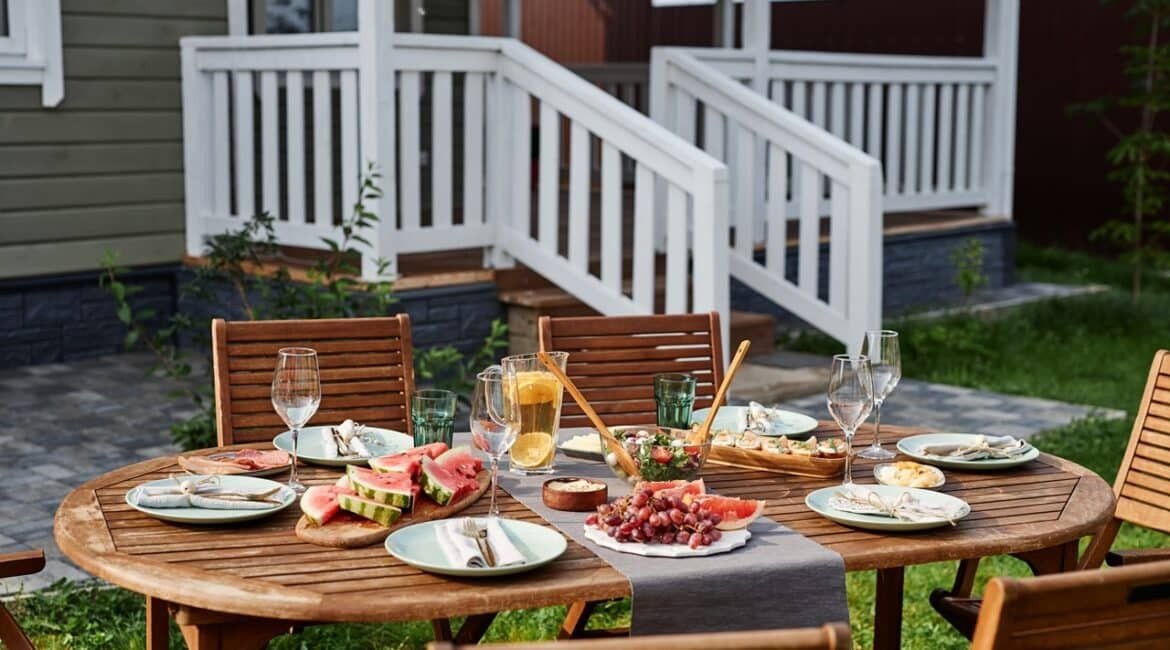
Your garden should be an extension of your home—a space where you relax, entertain, and create memories with family and friends. At the heart of most outdoor spaces sits a garden table, the gathering point for meals, conversation, and connection. Yet many homeowners invest in outdoor tables without considering durability, maintenance, or aesthetic alignment with their space. The result is furniture that disappoints within seasons rather than delivering years of reliable use.
Selecting the right garden table transforms how you use outdoor space. A well-chosen table becomes the cornerstone of outdoor entertaining, encouraging regular use and creating defined gathering areas. Understanding table materials, sizing, styles, and maintenance requirements helps you invest wisely in outdoor furniture that serves your lifestyle for years.
Understanding Garden Table Materials
Garden tables come in numerous materials, each offering distinct advantages and trade-offs.
Wood Tables
Wooden tables offer natural warmth and timeless aesthetic appeal. Hardwoods like teak, oak, and acacia provide durability and develop attractive patina over time. Softwoods like pine cost less initially but require more maintenance. All wooden tables benefit from regular treatment with wood oil or sealant to prevent weathering.
Wooden tables work beautifully in traditional and contemporary settings. They require annual maintenance but reward effort with lasting beauty. Quality hardwood tables last decades, becoming more characterful with age.
Metal Tables
Metal tables—typically aluminium or wrought iron—offer durability and contemporary styling. Aluminium is lightweight, rust-resistant, and low-maintenance, making it ideal for frequent repositioning. Wrought iron provides substantial presence and works well in formal garden settings, though it requires occasional maintenance and is heavier.
Metal tables suit modern aesthetics and require minimal upkeep. However, metal can conduct heat in direct sun, making it uncomfortable in very hot climates.
Glass-Top Tables
Glass-topped tables, typically with metal or wooden frames, offer sophistication and visual lightness. They work particularly well in smaller spaces where visual openness matters. Glass is easy to clean and weather-resistant. However, glass requires regular cleaning to maintain appearance and can feel impersonal compared to wood.
Glass tables suit contemporary and transitional settings. They’re practical for high-traffic entertaining where easy cleaning appeals to you.
Composite and Recycled Materials
Tables made from recycled plastic or composite materials offer durability and minimal maintenance. They resist rot, insects, and weathering entirely. Appearance options have improved significantly, with composites increasingly mimicking wood appearance whilst requiring only occasional cleaning.
Composite tables suit those prioritising ease of maintenance over natural materials. They’re particularly practical for coastal properties where salt air affects traditional materials.
Sizing Your Garden Table
Table size fundamentally affects how your space functions and how many people you can accommodate.
Seating Capacity and Dimensions
Standard dining tables accommodate four, six, or eight people comfortably. A four-person table typically measures 80-100 centimetres wide by 100-120 centimetres long. Six-person tables extend to 150-180 centimetres. Eight-person tables reach 200+ centimetres.
Consider not just seating but also practical spacing. People need room to pull chairs back and move around tables. A two-metre table in a small garden might feel cramped; a 1.2-metre round table might serve better functionally and aesthetically.
Shape Considerations
Rectangle tables efficiently use linear space and accommodate varied seating arrangements. Round tables promote conversation by eliminating head and foot positions. Square tables work well in compact spaces. Oval tables blend rectangle efficiency with round table sociability.
Choose shape based on your garden layout and entertaining style. Rectangle tables suit formal entertaining; round tables encourage casual gatherings.
Style and Aesthetic Integration
Your garden table should complement your overall garden design and home architecture.
Matching Garden Design
Mediterranean gardens suit rustic wooden tables or terracotta-topped designs. Contemporary gardens work with sleek metal or glass tables. Cottage gardens embrace natural wood finishes. Your table should feel intentional within your garden aesthetic rather than appearing as random furniture.
Consider colour, material, and finish carefully. A table that clashes with your garden’s character becomes visual discord rather than gathering point.
Creating Defined Spaces
Thoughtfully placed garden tables define outdoor spaces and create focal points. Positioning a table in a garden’s centre creates gathering area. Tucking tables into garden corners creates intimate secondary spaces. Tables near kitchen doors facilitate entertaining by reducing distance between food preparation and dining.
Maintenance and Longevity
Different materials demand varying maintenance levels affecting long-term cost and effort.
Seasonal Preparation
Wooden tables benefit from annual treatment and protective covering during harsh weather. Metal tables need occasional inspection for rust. Glass tables require regular cleaning. Composite tables need only occasional cleaning.
Consider maintenance tolerance when selecting materials. Low-maintenance tables free time for enjoying your space rather than maintaining it.
Storage and Protection
Some tables are designed for year-round outdoor placement; others benefit from seasonal storage. Heavy tables that resist moving might stay outside permanently. Lighter tables might store indoors during winter. Protective covers extend lifespan by reducing weather exposure.
To explore comprehensive options for garden tables suited to your space and style preferences, consult specialist outdoor furniture suppliers offering Garden tables in various materials, sizes, and designs to match your garden aesthetic and entertaining needs.
FAQ: Common Garden Table Questions
What size garden table do I need?
Measure your available space, allowing at least one metre on all sides for movement. For a small garden, a two-person round table might suffice. Standard family entertaining typically requires four-person minimum. Six-person tables suit regular entertaining. Consider your entertaining frequency and typical guest numbers.
How much maintenance does a wooden garden table require?
Annual treatment with wood oil or sealant keeps wooden tables looking fresh and protected. This typically takes 2-3 hours yearly. Quality hardwood tables develop attractive patina requiring less intervention as they age. Budget for regular maintenance when choosing wood.
Are glass-top garden tables practical for families with children?
Glass tables work fine with children when properly secured. Tempered glass resists shattering if impacted. Regular cleaning removes spills and fingerprints easily. Consider your comfort level with glass and supervise young children appropriately.
Can I leave my garden table outside year-round?
Quality tables designed for outdoor use withstand year-round exposure. However, protective covers extend longevity significantly by reducing weather exposure. Wooden tables particularly benefit from winter protection. Metal and composite tables tolerate year-round placement better than wood.
How do I choose between a fixed table and one with an umbrella hole?
Fixed tables offer stability and are easier to position permanently. Tables with umbrella holes provide shade options for sunny climates and frequent entertaining. Consider your climate and whether you already have shade structures nearby. Umbrella holes offer flexibility but aren’t essential.
Conclusion
Your garden table is far more than functional furniture—it’s the gathering point where outdoor living happens. Selecting appropriate materials, sizing, and styles transforms how you use and enjoy your garden. Rather than purchasing hastily, invest time understanding options aligned with your space, climate, and entertaining style.
Choose durable materials suited to your maintenance tolerance. Size tables appropriately for your space and needs. Select styles that integrate harmoniously with your garden aesthetic. Then enjoy years of outdoor entertaining, meals, and memories gathered around your table. A well-chosen garden table becomes the heart of outdoor living, encouraging regular use and creating spaces where life unfolds.