

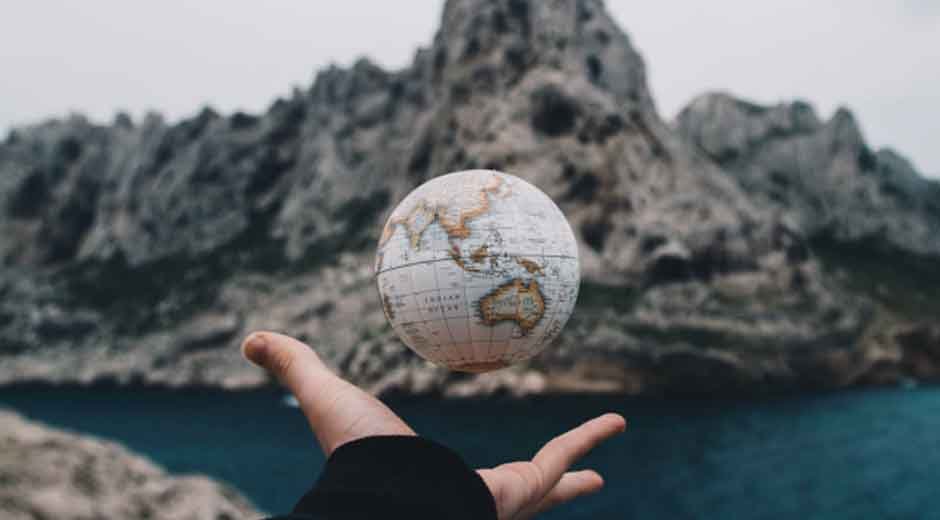
If you think back to your school days, you might remember geography as the class where you labeled maps, memorized capitals, and learned about oceans and landforms. But the truth is that geography is so much more than that. It’s one of the most dynamic and surprisingly versatile fields you can study today. Geography helps you understand how people interact with the world, how the environment shapes human activity, and how global systems connect in ways that influence everyday life.
What makes geography especially exciting is how relevant it has become. You see it in discussions about climate change, city planning, sustainability, public health, global migration, and even business decisions. Geography brings together science, culture, technology, and real-world problem-solving. If you’re someone who loves understanding people and places, or if you enjoy studying how complex systems connect, geography offers a path that’s both interesting and practical.
And now, thanks to flexible online learning options, exploring geography has become even more accessible. That’s where the versatility of this field truly begins to shine.
Geography Today: A Field That Connects People, Places, and Possibilities
Geography has evolved far beyond traditional map reading. Today, it’s an interdisciplinary field that blends environmental science, data analysis, cultural studies, and global awareness. That’s why many people explore the subject by earning a bachelor’s degree in geography online, which gives them the freedom to study global issues from anywhere while building practical, career-ready skills. Texas State University offers this fully online program, designed to help students understand environmental systems, human-environment interactions, and sustainable solutions. The program’s flexibility and transfer-friendly structure make it a strong option for students who want a meaningful degree without putting their lives on hold.
Choosing an online program like this opens the door for you to explore modern geographic themes, everything from natural resource management to environmental policy, all while balancing work, family, or other responsibilities. You gain the foundational knowledge that helps you see the world differently, but you also build the analytical skills needed for real-world problem-solving. That’s what makes today’s geography so compelling: it sits at the intersection of science, technology, and human experience, giving you the chance to study the world in a way that feels both relevant and impactful.
Why Geography Is More Versatile Than Most People Realize
One of the biggest surprises people discover is just how many career paths geography can lead to. Because the field connects physical environments with human behavior, geographers work in areas like urban planning, environmental consulting, sustainability projects, public health analysis, disaster response, transportation design, and even business strategy.
Geography teaches you to think critically about how systems interact. You learn to analyze data, understand spatial patterns, and interpret how environmental and social factors influence each other. These skills translate well into any field that needs informed planning or strategic decision-making. Whether you’re interested in solving climate-related challenges or improving how communities function, geography gives you tools that are both practical and broadly applicable.
Real-World Applications That Make Geography Exciting
What’s especially exciting about geography is how it shows up in real life. You see it in weather forecasting, environmental conservation, public transportation planning, and research that helps communities prepare for natural disasters. Geographers help track disease outbreaks, identify pollution sources, and guide decisions around sustainable development.
Technology also plays a major role. Tools like GIS (Geographic Information Systems) allow geographers to map data, visualize patterns, and support agencies, businesses, and governments in making informed choices. If you’ve ever used a navigation app, benefited from early storm warnings, or read articles explaining climate trends, you’ve witnessed geography in action.
These real-world applications show why the field continues to grow. It’s practical, adaptable, and deeply connected to global challenges that matter today.
How Geography Builds Skills for the Future
We’re living in a world that’s becoming more data-driven and globally connected. Geography equips you with skills that fit this future. You learn spatial analysis, environmental assessment, cultural understanding, research techniques, and critical thinking. These skills are valuable in careers focused on sustainability, policy, emergency management, environmental protection, urban development, and global relations.
More importantly, geography teaches you to see the bigger picture. You learn how decisions in one area, whether environmental, economic, or political, affect others. This global awareness makes geography students strong problem-solvers who can work across fields and industries.
Geography is far more exciting and versatile than most people expect. It helps you understand the world through a blend of science, culture, environment, and data. Whether you’re interested in environmental work, urban design, public health, or global problem-solving, geography offers a meaningful path that opens doors to multiple careers. And with the growing availability of flexible online programs, studying geography has never been more accessible. If you’re curious about how the world works and want a field that grows with you, geography is a powerful place to begin.