

In an era defined by rapid technological advancement, the emphasis on coding, AI, digital literacy, and data analytics is stronger than ever. While these areas are undoubtedly crucial in shaping the workforce of tomorrow, a subtler, equally vital realm often goes unnoticed: the realm of practical life skills. The traditional education system, although evolving, still tends to prioritize academic achievements and digital competencies over foundational life proficiencies. This imbalance raises a critical question: Are today’s students genuinely being equipped to navigate the realities of adult life?
There exists an “unseen curriculum,” a collection of skills not explicitly taught within the framework of standardized education but crucial to real-world survival. These include financial literacy, critical thinking, interpersonal communication, mental health awareness, and decision-making under stress.
In the current digital age, this hidden syllabus is not just supplementary; it is essential. Failing to address it could lead to a generation proficient in handling devices but unprepared for the practicalities of living a meaningful, independent life.
Preparing for Responsibility: Lessons Behind the Wheel
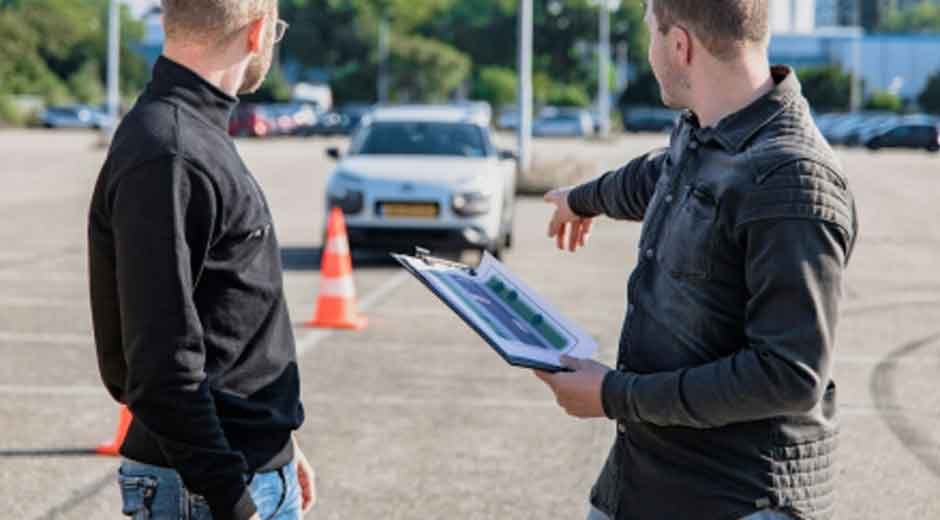
Responsibility is best learned through experience, and one of the earliest milestones at which it manifests is learning to drive. Operating a vehicle is more than just a rite of passage; it represents autonomy, risk management, situational awareness, and accountability. Within this context, an adult driver education course becomes a conduit for deeper life lessons. Participants learn not just how to control a vehicle, but also how to respond calmly under pressure, make sound judgments, and stay mindful of others’ safety. These underlying traits mirror the essence of maturity—understanding consequences, obeying laws, and respecting boundaries.
Such courses often include modules on handling emergencies, interpreting non-verbal cues from other drivers, and maintaining composure in unpredictable situations. These scenarios are microcosms of real life, teaching individuals to stay focused, adapt to changing circumstances, and manage their emotions effectively. Driving, often overlooked as a mere skill, subtly instills time management, planning, and spatial awareness—core abilities required in both personal and professional spheres.
Financial Fluency in the Digital Economy
While schools may skim over basic economics, few provide comprehensive lessons on personal finance, including budgeting, saving, investing, and understanding credit. Yet, these are the very elements that determine the quality of adult life. In the digital age, where e-commerce, digital wallets, online scams, and cryptocurrency play a significant role in everyday transactions, financial literacy is more relevant than ever.
Many young adults graduate without knowing how to interpret a bank statement or differentiate between a debit and a credit card. They may master algebra or calculus but struggle with preparing a monthly budget or recognizing predatory lending. Embedding financial education into the unseen curriculum ensures individuals are better prepared to navigate a world of digital spending, subscription-based services, and cashless economies.
Incorporating simulations of real-life financial scenarios—such as planning a household budget or understanding loan terms—into education would empower students to make informed decisions.
Mental Wellness and Emotional Intelligence
The digital world, with all its connectivity, paradoxically breeds isolation, anxiety, and emotional dissonance. Online platforms often showcase curated perfection, leading to unrealistic comparisons and a distorted sense of self-worth. In such an environment, mental health literacy becomes a critical life skill. Recognizing emotional triggers, learning coping mechanisms, and practicing mindfulness are necessary for maintaining psychological balance.
However, emotional intelligence goes beyond self-awareness—it encompasses empathy, conflict resolution, and relationship management. These are rarely taught in classrooms but are indispensable in building meaningful careers and personal lives. Emotional resilience—the ability to bounce back from setbacks—requires deliberate cultivation through real conversations, guided reflection, and supportive environments.
Communication Beyond Screens
Despite the dominance of texting, emailing, and video calls, the need for articulate, face-to-face communication remains undiminished. Yet, many students are more comfortable crafting Instagram captions than expressing themselves in real-time discussions. This digital detachment often leads to a breakdown in genuine interpersonal skills.
Mastering body language, tone modulation, and active listening is vital for job interviews, conflict resolution, and team dynamics. Practical activities, such as debates, group projects, and public speaking assignments, serve as valuable training grounds. The aim is not to eliminate digital communication but to balance it with authentic human interaction.
Critical Thinking in the Age of Misinformation
With the proliferation of information comes the challenge of discerning truth from fabrication. Social media platforms, algorithm-driven feeds, and biased news outlets make it difficult to separate fact from fiction. Critical thinking, therefore, is a non-negotiable skill in the digital age.
Rather than accepting information at face value, individuals must be trained to critically evaluate sources, analyze arguments, and identify logical fallacies. This skill is crucial not just for academic excellence but also for civic responsibility. Voters, consumers, and professionals alike must be able to evaluate claims, detect manipulation, and arrive at reasoned conclusions.
Decision-Making Under Real-World Pressures
Real life rarely presents choices in a controlled setting. Decisions often come with incomplete information, emotional weight, and looming deadlines. Teaching students how to make thoughtful decisions under pressure prepares them for everything from managing emergencies to planning their careers.
Scenarios such as choosing between two job offers, handling unexpected expenses, or navigating ethical dilemmas require more than just academic knowledge. They demand clarity, confidence, and moral grounding. Role-playing, case studies, and scenario-based learning can simulate these experiences, enabling learners to practice and refine their decision-making processes in a safe environment.
This skill also ties into self-reliance and personal accountability. Knowing how to assess risks, weigh consequences, and accept responsibility for outcomes is central to functioning effectively in any adult role.
The rapid digitization of the world offers unprecedented convenience and connectivity. Yet, it also demands a parallel focus on grounding individuals in the timeless fundamentals of life. The unseen curriculum—comprising practical, emotional, and ethical life skills—is not a luxury but a necessity. It ensures that beneath the sleek veneer of digital literacy lies a core of well-rounded competence.
A digitally savvy individual may thrive in coding or AI, but without the ability to manage finances, maintain mental well-being, communicate meaningfully, and make sound decisions, that success risks being superficial. The goal of modern education must therefore evolve: not just to inform minds but to equip lives. Only then will students be truly prepared—not just for careers, but for life itself.