

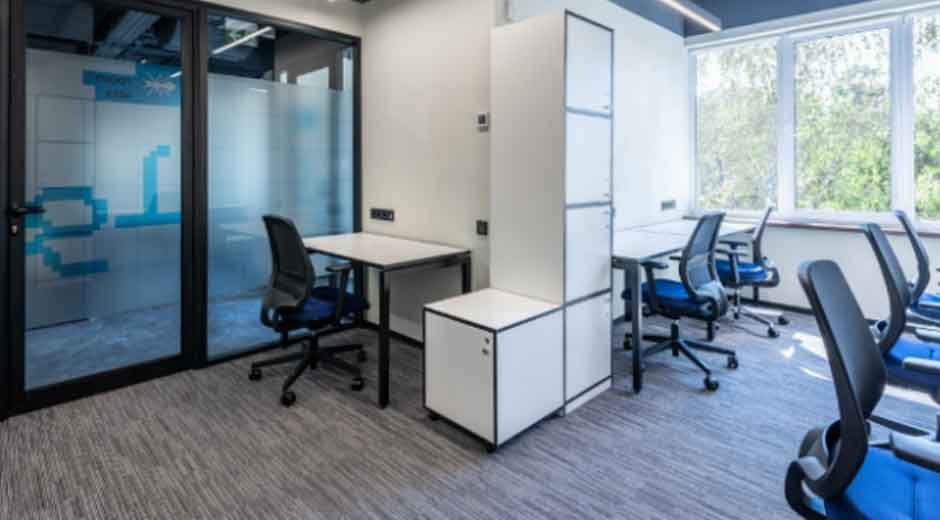
Growth often looks good on paper. More customers. More work. More revenue. But inside the business, growth can create quiet problems that don’t show up right away. Teams feel cramped. Tasks take longer. Simple jobs turn into daily frustrations.
Many business owners sense that something feels off, but they can’t point to one clear issue. That’s because the real cost of outgrowing a setup rarely comes from one big expense. It comes from many small problems stacking up over time. When space, systems, and workflows no longer match the pace of the business, efficiency slips. Stress rises. Decisions become reactive instead of planned.
This article looks at those hidden costs and explains why ignoring them can slow a business down.
Time loss adds up quickly
When space and layout stop supporting the work, time slips away in small pieces. Employees walk farther to get tools. They wait for shared equipment. They pause work to clear space. Each delay feels minor. Together, they add up to hours lost every week. This kind of time loss rarely shows up in reports. It shows up in missed deadlines and rushed decisions. People feel busy all day but accomplish less. Over time, this affects morale. Teams feel pressure without progress. Fixing time loss early costs less than letting it grow into a constant drain on productivity.
Space limits affect focus and quality
Crowded or poorly planned environments make it harder to focus. Noise increases. Visual clutter grows. People rush to finish tasks so others can use the space. This leads to more mistakes and rework. Quality slips, not because people don’t care, but because the setup works against them. Focus matters in every role, from planning to execution. In some cases, businesses explore options like shipping containers for sale to relieve space pressure and restore workable conditions. When the environment creates stress, even skilled teams struggle to maintain consistency. Businesses often blame people for errors when the real issue comes from a space that no longer supports the work being done.
Short-term fixes that linger too long
Temporary solutions feel smart in the moment. Extra shelves. Overflow areas. Shared workstations. These fixes help businesses move forward without big decisions. The problem starts when temporary fixes become permanent. What worked for a few months stays in place for years. Over time, these patches limit growth instead of supporting it. They also make future changes harder. Each added fix depends on the last one. Eventually, the setup becomes tangled and inefficient. Businesses then face higher costs to untangle problems that could have been addressed earlier with clearer planning.
Bottlenecks that reports don’t show
Not all problems appear in numbers. Bottlenecks often live in daily routines. Materials arrive but have nowhere to go. Work piles up waiting for space. Teams slow each other down without realizing it. These issues rarely appear in financial reports, yet they affect delivery times and customer experience. Leaders may see stable revenue while operations struggle underneath. By the time the data reflects the problem, the cost has already grown. Paying attention to how work actually flows through the business helps catch these bottlenecks before they become expensive to fix.
Waiting too long makes expansion more expensive
Many businesses delay change because the current setup still works, at least on the surface. The issue is that waiting often raises the cost of expansion. When growth forces urgent action, decisions happen fast and without comparison. Businesses pay more for rushed solutions, last-minute leases, or inefficient layouts. Planning early gives leaders time to explore options, compare costs, and choose what fits the next stage of growth. Expanding before problems peak usually costs less than fixing issues after they disrupt daily operations.
Inflexible setups limit future decisions
Some setups lock businesses into fixed layouts or long-term commitments. This limits the ability to adjust when needs change. A space that works today may not work next year. Hiring plans shift. Product lines change. Equipment needs grow. When the setup cannot adapt, businesses face tough choices. They either force operations to fit the space or spend heavily to undo past decisions. Flexibility matters because growth rarely follows a straight line. A setup that allows change protects the business from sudden shifts and unexpected demands.
Early warning signs leaders should not ignore
Outgrowing a setup rarely happens overnight. Clear warning signs appear first. Employees move items daily to make room. Meetings get harder to schedule. Equipment sits idle because there’s nowhere to use it. Teams complain about workflow, not workload. These signs point to a setup problem, not a people problem. Leaders who notice these patterns early can act before costs rise. Paying attention to daily friction offers better insight than waiting for financial pressure to force action.
Planning growth without overcommitting resources
Smart planning balances readiness with restraint. Businesses don’t need to build for every future scenario. They need options that leave room to adjust. Phased planning helps teams grow without overspending or locking into decisions too early. This means choosing solutions that can expand, shift, or be removed as needs change. It also requires regular reviews of space and workflows, not just during busy periods or crises. Leaders should ask whether current systems still support daily work. When planning stays flexible, businesses reduce risk, avoid wasted spend, and gain confidence that growth will not push operations beyond control.
Outgrowing a setup does more than create space issues. It affects time, focus, morale, and decision-making. These costs stay hidden because they grow slowly and quietly. Many businesses mistake constant friction for normal growing pains. In reality, these issues signal a mismatch between operations and the environment. Addressing them early gives leaders more control and better outcomes. It also reduces stress across teams and lowers the risk of burnout. Clearer workflows improve accountability and reduce errors. Growth should support the business, not strain it. When planning keeps pace with progress, businesses stay efficient, adaptable, and better prepared to handle change without disruption.