

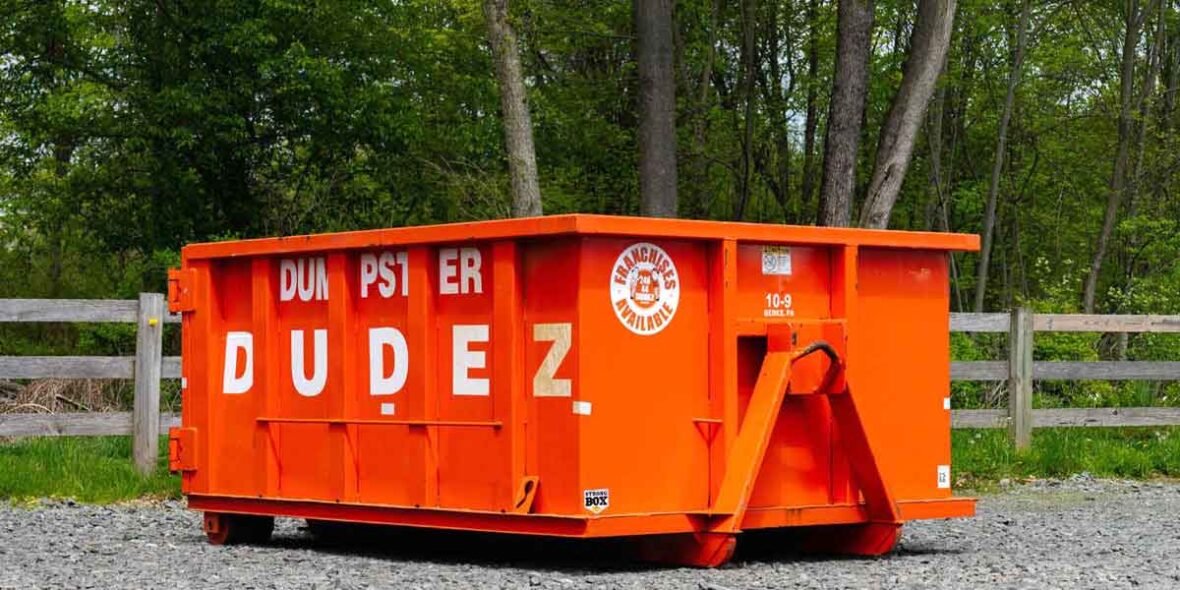
Downsizing is one of those projects that sounds simple until you start opening closets and realizing how many “just in case” items you have. The good news is you can make it manageable with a clear plan, a realistic timeline, and the right disposal setup. For many households, a residential dumpster rental is the easiest way to keep the process moving without constant trips to the dump, overflowing trash cans, or a driveway full of random piles.
Below is a practical, room-by-room strategy you can follow whether you are downsizing for a move, helping a family member transition, or simply reclaiming space.
Step 1: Start with a simple sorting system
Before anything goes out the door, set up four categories:
- Keep
- Donate
- Recycle
- Trash
If you are using a residential dumpster rental, keep the “trash” category for true disposal only. You will save space and weight in the container by separating donations and recycling early.
Tip: Use painter’s tape and label corners of the garage or basement with these categories. It prevents decision fatigue later.
Step 2: Choose the right timeline (and avoid the “one-day panic”)
Most people underestimate how long downsizing takes. A good target is one room per day, with “small spaces” grouped together. If you try to do the whole house at once, you end up creating clutter in new places.
A realistic sequence:
- Bathrooms and linen closets
- Kitchen and pantry
- Bedrooms and closets
- Living room and dining room
- Basement, attic, garage (last, because it is usually the messiest)
Step 3: Go room by room with a clear checklist
Bathrooms and linen closets
These are quick wins. Toss expired products and consolidate duplicates. Old towels can often be donated to animal shelters (call ahead to confirm). Keep an eye out for items that may be considered regulated waste in some areas, like certain chemicals. When in doubt, ask your local disposal resource for guidance.
Kitchen and pantry
Downsizing is easier when you focus on function:
- Keep one “daily set” of dishes and cookware.
- Let go of single-purpose gadgets you have not used in a year.
- Break down bulky cardboard packaging for recycling so it does not eat up dumpster space.
Bedrooms and closets
Use the “hanger test.” If it has not been worn in a year, it is a donation candidate. For old furniture that is damaged or unsanitary, disposal is usually the right call.
Living and dining areas
This is where you can reclaim space fast by removing oversized furniture that will not fit the next home. If you are keeping heirlooms, plan where they will go. “Keeping it because it is nice” is not the same as “keeping it because it fits the new space.”
Basement, attic, and garage
Save these for last because they often contain:
- Broken items you already replaced
- Project leftovers (wood, drywall, tile)
- Old storage bins you have not opened in years
This is also where a residential dumpster rental shines. You can clear bulky debris efficiently instead of stacking it around the property for weeks.
Step 4: Think about container size without overcomplicating it
Different projects call for different sizes. While exact needs vary, many rental companies offer common roll-off container sizes like 10-Yard, 20-Yard, 30-Yard, and 40-Yard. As a general reference, a 10-Yard holds roughly 10 washing machines’ worth of debris, and larger sizes scale up from there. Every container also has a DOT maximum weight limit of 10 tons, so heavier materials should be discussed upfront.
If your downsizing includes heavy debris like renovation scraps, ask about included tonnage and how overages are handled. Clarity here prevents surprises.
Step 5: Placement and access matter more than people expect
To keep the cleanout stress-free:
- Pick a flat, accessible spot for the container.
- Protect driveways with plywood if recommended by your provider.
- Look up for tree branches and powerlines.
- If you might place the container on the street, check whether your municipality requires a permit. Rules vary, even between nearby towns.
Step 6: A few disposal “watch-outs”
Most everyday household junk is fine, but some items require special handling. For example, appliances are often acceptable as long as they do not contain regulated material, such as freon in refrigerators. When in doubt, ask your hauler before loading.
Final takeaway
Downsizing goes best when you treat it like a job with a plan, not an emotional free-for-all. A residential dumpster rental gives you a single, reliable “exit path” for clutter and damaged items so you can focus on sorting what truly matters.