

Key Takeaways
- Lines of credit and personal loans are both borrowing options, but differ greatly in how you access, use, and repay funds.
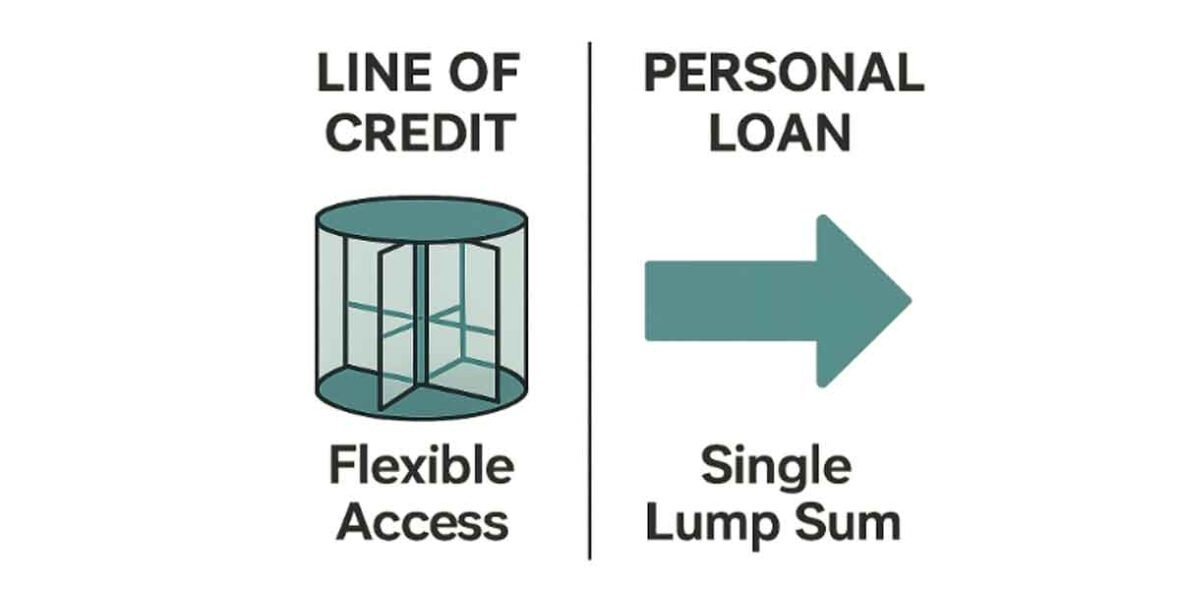
- Lines of credit offer flexible, revolving access to money, perfect for ongoing or uncertain expenses.
- Personal loans provide a one-time lump sum, ideal for specific, predictable costs with set repayment schedules.
- Choosing the right option depends on your financial goals, needs, and comfort with interest rate variability.
Understanding a Line of Credit
A line of credit is an adaptable way to access funds on an as-needed basis, up to a predetermined credit limit. Instead of receiving a lump sum all at once, you can draw money as various needs arise, making it a preferred option for those seeking flexible credit for businesses or individuals requiring ongoing capital. With a line of credit, interest is charged only on the amount borrowed, not the entire limit, which can bring significant interest savings if managed responsibly.
Typically, lines of credit feature variable interest rates that fluctuate according to market conditions. This can result in periodic changes to your payment amounts and overall borrowing costs. Many people leverage lines of credit for cash flow management, covering emergency expenses, or supporting continuous home renovations. Their revolving structure means you can repay what you’ve used and then borrow again—much like a credit card but often with higher limits and (sometimes) lower interest rates.
Understanding a Personal Loan
A personal loan, in contrast, delivers a fixed amount of money upfront. This lump sum is repaid over a set term—often in monthly installments—with fixed or sometimes variable interest rates, depending on the loan product. Fixed-rate personal loans are prized for their predictability; borrowers know exactly how much they owe each month and when the loan will be fully repaid.
Personal loans are ideal for covering one-time, larger expenses such as consolidating high-interest credit card debt, funding home improvements, or paying for significant life events. Because the repayment structure is clear and term-bound, personal loans can be easier to manage for those seeking a straightforward payoff timeline.
Key Differences Between a Line of Credit and a Personal Loan
Disbursement Methods
The primary distinction lies in how funds are received. With a personal loan, borrowers receive a single disbursement of the full sum, while lines of credit offer ongoing access to funds up to their approved limit. If your planned need is a one-time event—like buying a car or paying medical bills—a personal loan typically makes more sense. If you anticipate ongoing or unpredictable expenses, a line of credit provides financial flexibility.
Interest Rates and Cost Structure
Personal loans usually come with fixed rates, which support budgeting and long-term planning. Conversely, lines of credit typically feature variable rates, meaning payments and overall costs can fluctuate with broader interest rate trends. While this risk might deter some, it also enables flexibility should you only require brief or minimal borrowing.
Repayment Plans
Repayment terms for personal loans are straightforward: you pay a fixed amount each term until the loan is repaid in full. For lines of credit, you often have the choice to make interest-only minimum payments during the draw period, with principal required later, or to pay down what you borrow at your pace. This flexibility can help smooth out cash flow, but risks longer-term debt if used irresponsibly.
Common Uses and Suitability
Personal loans are commonly used for large, one-off purchases or debt consolidation. At the same time, lines of credit are favored by those who need a safety net or periodic infusions of cash. Business owners and entrepreneurs, in particular, find great value in lines of credit—using them to cover short-term financing gaps or seasonal downturns.
Choosing the Right Option
Deciding between a personal loan and a line of credit depends on your financial goals and circumstances. Personal loans offer discipline, set payoff dates, and financial certainty—making them ideal for individuals with a clear, finite need for funds. Lines of credit enable you to borrow and repay repeatedly, making them useful for those who require adaptable solutions or are unsure of how much money they might need at once.
Evaluate how comfortable you are with variable versus fixed interest rates, your preference for open-ended borrowing versus structured repayment, and how closely you can monitor your spending. If you’re still unsure, many financial experts recommend consulting with a professional to weigh the trade-offs based on your individual situation.
Considerations Before Borrowing
Before taking on new debt, assess your credit score, employment status, and monthly budget. Higher credit scores can provide access to better interest rates and more extensive borrowing options. Always check for fees—such as annual fees on lines of credit or origination fees on personal loans—as well as potential penalties for early repayment or late payments.
A clear understanding of loan agreements and how your repayments will be structured is key to maintaining your financial health. Whether you select a personal loan or a line of credit, responsible borrowing ensures you won’t jeopardize your credit or burden yourself with unmanageable debt.
Final Thoughts
Both lines of credit and personal loans provide valuable tools to help you address various financial needs. By understanding their structural differences and aligning your decision with your financial goals, you empower yourself to make smart, sustainable borrowing choices.