

Key Takeaways
- Understand your daily transportation needs and priorities.
- Consider costs beyond the sticker price, including fuel and maintenance.
- Evaluate essential safety features and test drive the vehicle before making a decision.
- Stay informed about the latest car market trends and eco-friendly innovations.
- Determine whether leasing or buying is better suited to your lifestyle and finances.
Table of Contents
- Assess Your Daily Needs
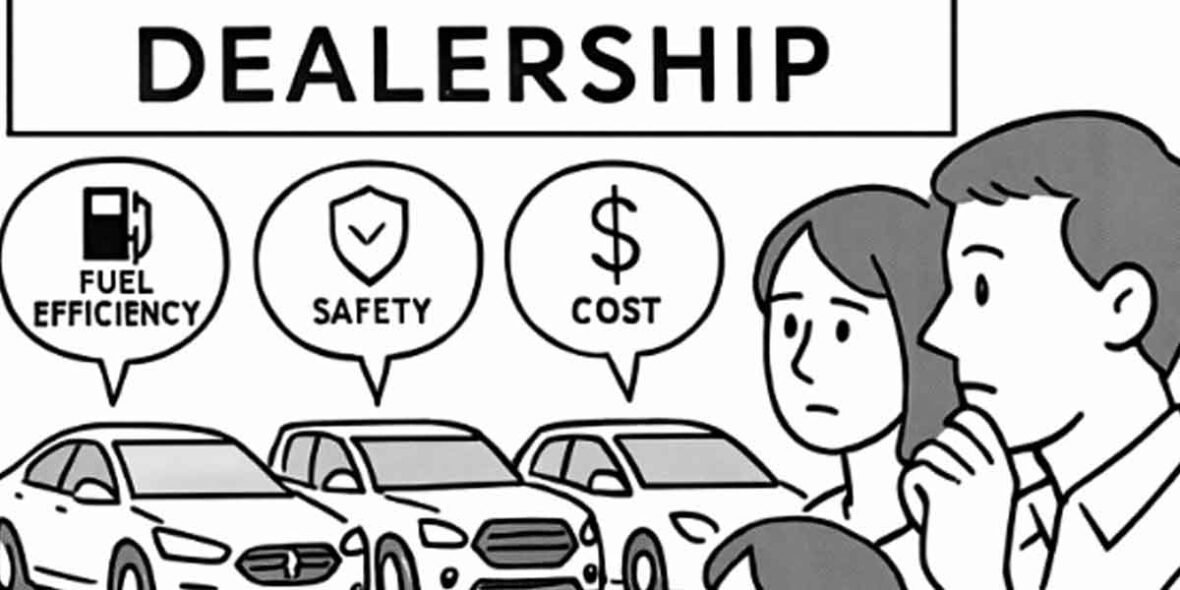
- Evaluate Fuel Efficiency
- Consider Safety Features
- Analyze Ownership Costs
- Test Drive Prospective Vehicles
- Decide Between Leasing and Buying
- Stay Informed About Market Trends
- Final Thoughts
Finding a new vehicle is about more than just picking a color or a brand—it’s about ensuring the car fits seamlessly into your daily life, budget, and long-term plans. Whether you need versatile cargo space or a smooth commuter car, a thoughtful approach will help you find the right match. Browsing options like a certified pre owned Toyota RAV4 can reveal practical, dependable vehicles that complement a variety of lifestyles.
Before signing any paperwork, make a list of what matters most—from cabin space and fuel economy to the latest tech. Consider how your vehicle choice will support your routines, family needs, and personal aspirations. Every driver is unique, and so too are the cars that suit them best.
A new car is a significant investment, so it’s essential to take your time and do diligent research. Explore professional reviews, consult with ownership experiences, and utilize online calculators to estimate long-term costs. This type of informed decision-making will lead to greater satisfaction and fewer regrets in the long run.
Assess Your Daily Needs
The cornerstone of a wise vehicle purchase is honestly evaluating your daily transportation requirements. Consider who and what you frequently need to transport. For larger families or those with active hobbies, an SUV or crossover might be ideal. If your commute is mostly city driving, a fuel-efficient sedan could meet your needs much better than a bulky truck. Factor in parking situations, travel distances, and if you need all-wheel drive for adverse weather or off-road capabilities.
Evaluate Fuel Efficiency
Fuel costs add up quickly, so evaluating vehicle efficiency is essential. Hybrid and electric models are gaining popularity, offering significant long-term savings and lower emissions. According to Edmunds, selecting a vehicle with top-tier fuel efficiency can make a noticeable difference in your yearly expenses, especially for daily commuters.
Consider Safety Features
Modern vehicles are equipped with advanced safety systems that can prevent accidents or reduce the risk of injury. Look for features such as adaptive cruise control, blind spot monitoring, electronic stability control, and comprehensive airbag coverage—features commonly highlighted when shoppers search for a rav4 toyota near me due to its strong safety reputation. Independent bodies, such as the Insurance Institute for Highway Safety (IIHS), regularly publish ratings and crash test results—peer-reviewed sources that offer peace of mind before making a purchasing decision.
Analyze Ownership Costs
It’s important not to judge a car solely by its purchase price. Total cost of ownership encompasses insurance premiums, expected maintenance, depreciation, and even registration fees. Some vehicles, such as popular hybrids, retain their value better than others, offsetting the initial investment over time. Utilize online resources such as calculators or databases to compare the five-year ownership costs of several models before committing.
Test Drive Prospective Vehicles
Reading specs and reviews gives you knowledge, but nothing replaces the firsthand experience of a test drive. Focus on comfort during long rides, visibility, seat adjustability, and ease of use with in-car controls. A test drive reveals how the car responds to braking, acceleration, and maneuvering, allowing you to determine if it’s a true extension of your personality and needs.
Decide Between Leasing and Buying
Should you lease for flexibility or buy to build equity? Leasing often means lower monthly payments and the opportunity to upgrade to newer models frequently, but be aware of mileage restrictions and reduced long-term value. Buying is an investment that leads to ownership, freedom from mileage caps, and potential resale value, but it comes with higher upfront and monthly costs. Analyze your driving patterns, budget, and long-term goals to determine which approach best suits you.
Stay Informed About Market Trends
The auto industry evolves rapidly, introducing new models, tech, and sustainability features each year. SUVs and crossovers dominate current trends due to their practicality, while electric and hybrid options continue to gain popularity. Stay informed about news from reputable sources like Autoblog, so you’re aware of the latest features and upcoming releases that may influence your purchase decision.
Final Thoughts
The process of choosing a new vehicle begins with a clear-eyed assessment of your needs, lifestyle, and budget. By considering key factors such as daily use, fuel efficiency, safety features, and long-term costs, you’ll set yourself up for optimal ownership satisfaction. Don’t forget to leverage test drives, expert insights, and current market research to ensure your choice is the right fit for your life, both now and as your needs evolve.