

Maintaining clean floors plays a critical role in creating a safe, attractive, and productive environment. Whether you manage a commercial facility, run a small business, or care for a large home, the tools you use can significantly affect the results.
With so many options available, selecting the right equipment requires a clear understanding of your needs, space, and maintenance goals. This post examines understanding your cleaning requirements, identifying your floor type, and more.
Understand Your Cleaning Requirements
Start by evaluating the size and type of area you need to maintain. Large warehouses, retail stores, and industrial facilities demand powerful machines that can cover wide surfaces quickly. Smaller spaces, such as offices or homes, often benefit from compact and maneuverable equipment.
Also consider how frequently you clean. High-traffic areas require more frequent maintenance, so you may need a durable and efficient machine that can handle repeated use without losing performance. Matching your equipment to your workload ensures consistent results and prevents unnecessary wear.
Identify Your Floor Type
Different surfaces require different cleaning approaches. Hard floors such as tile, concrete, and vinyl respond well to automated machines. While delicate surfaces like hardwood need gentler solutions.
Using the wrong equipment can damage flooring or leave it improperly cleaned. For example, rough brushes may scratch sensitive materials, while insufficient cleaning power may fail to remove stubborn dirt from industrial floors. Always choose a machine designed to handle your specific type effectively.
Consider Machine Types and Features
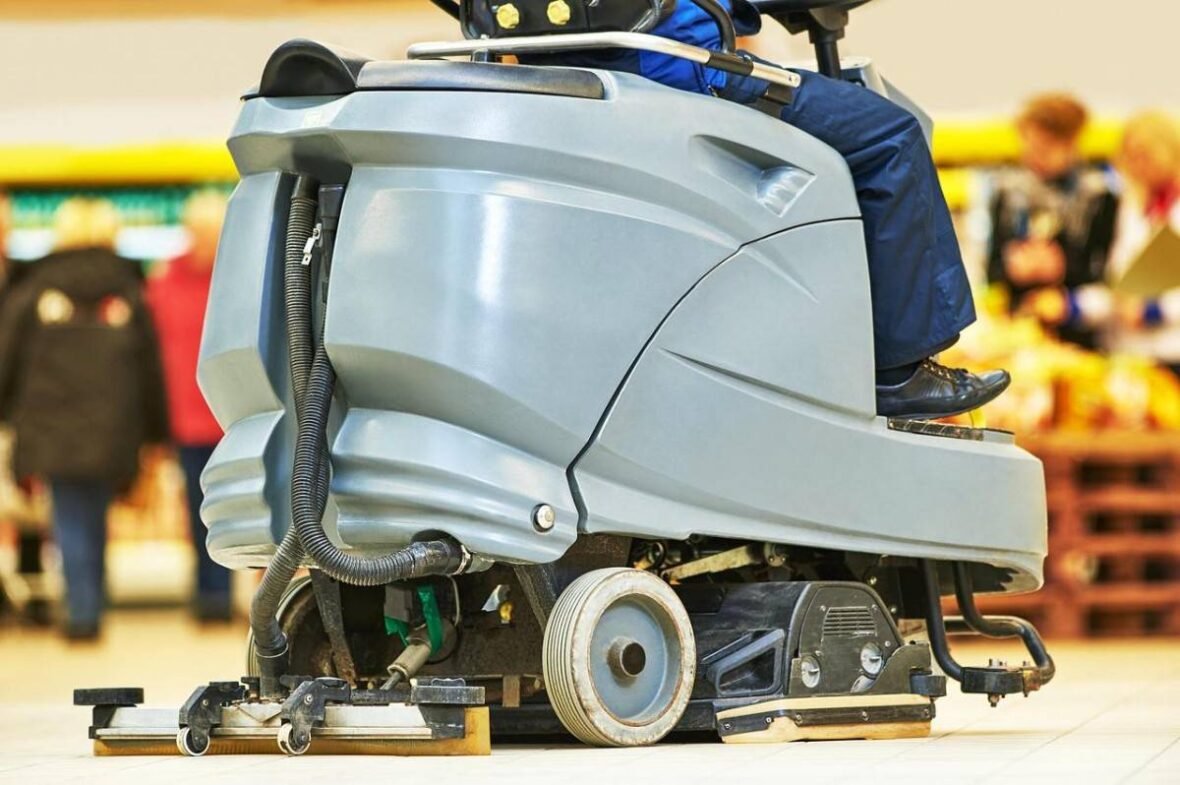
Modern cleaning equipment comes in several forms, each designed for specific tasks. Walk-behind machines work well in medium-sized spaces, offering a balance of power and control. Ride-on machines, on the other hand, suit large facilities where speed and efficiency matter most.
Look for features that enhance usability and performance. Adjustable cleaning settings, ergonomic handles, and easy-to-use controls improve the user experience. Water-saving technology and efficient chemical usage can also reduce operational costs while supporting sustainability goals. If you want a reliable and efficient machine, explore this floor scrubber options to see how modern machines streamline cleaning tasks in commercial environments.
Evaluate Power Source Options
Cleaning machines operate typically on either battery power or direct electricity. Battery-powered units provide flexibility and allow you to clean without worrying about cords, making them ideal for large or busy areas. However, they require charging and proper battery maintenance.
Corded machines offer continuous operation without downtime, but limit mobility. They work best in smaller spaces where power outlets are easily accessible. Choose a power source that aligns with your workflow and minimizes interruptions during cleaning sessions.
Factor in Maintenance and Durability
Reliable equipment should withstand regular use while remaining easy to maintain. Machines with accessible components simplify routine tasks like replacing brushes, cleaning tanks, and checking filters.
Durability also plays a key role in long-term value. Investing in a well-built machine may cost more upfront. However, it often reduces repair expenses and extends the lifespan of your equipment. Look for models with strong construction and positive user feedback regarding longevity.
Assess Budget and Long-Term Value
Price matters, but it should not be your only consideration. Focus on the overall value rather than the initial cost. A cheaper machine may save money initially, but could lead to higher maintenance costs or lower efficiency over time.
Calculate the potential return on investment by considering labor savings, improved cleaning results, and reduced downtime. Efficient equipment can lower operational costs and boost productivity, making it a worthwhile investment in the long run.
Think About Ease of Use and Training
Your team should feel comfortable operating the equipment. Complicated machines can slow down workflows and increase the risk of errors. Choose user-friendly models with clear controls and straightforward operation.
Providing proper training ensures safe and effective use. Even the best equipment cannot deliver optimal results if users do not understand how to operate it correctly. Simple machines often reduce training time and improve overall efficiency.
Prioritize Safety Features
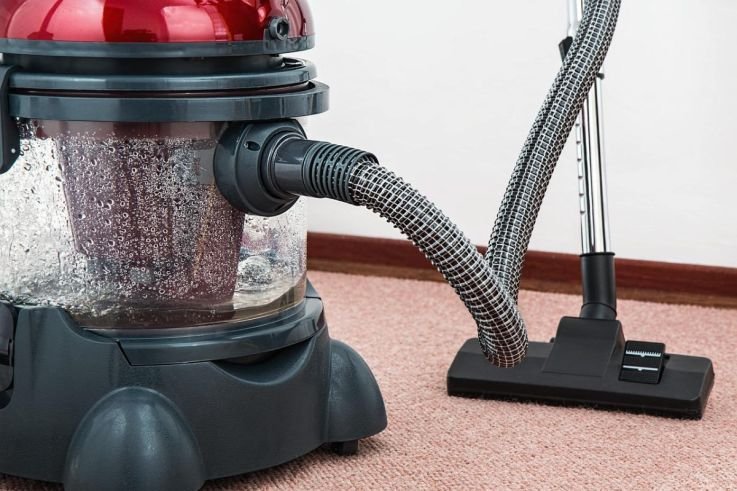
Safety should always remain a top priority. Look for equipment with features such as non-slip handles, automatic shut-off systems, and stable designs. These elements protect the operator and the surrounding environment. Additionally, consider how the machine handles water and cleaning solutions. Efficient systems minimize spills and reduce the risk of accidents, especially in high-traffic areas.
Final Thoughts
Choosing the right cleaning equipment involves more than selecting a machine that looks good on paper. By understanding your needs, evaluating your space, and focusing on functionality, you can invest in a solution that delivers consistent performance and long-term benefits.