

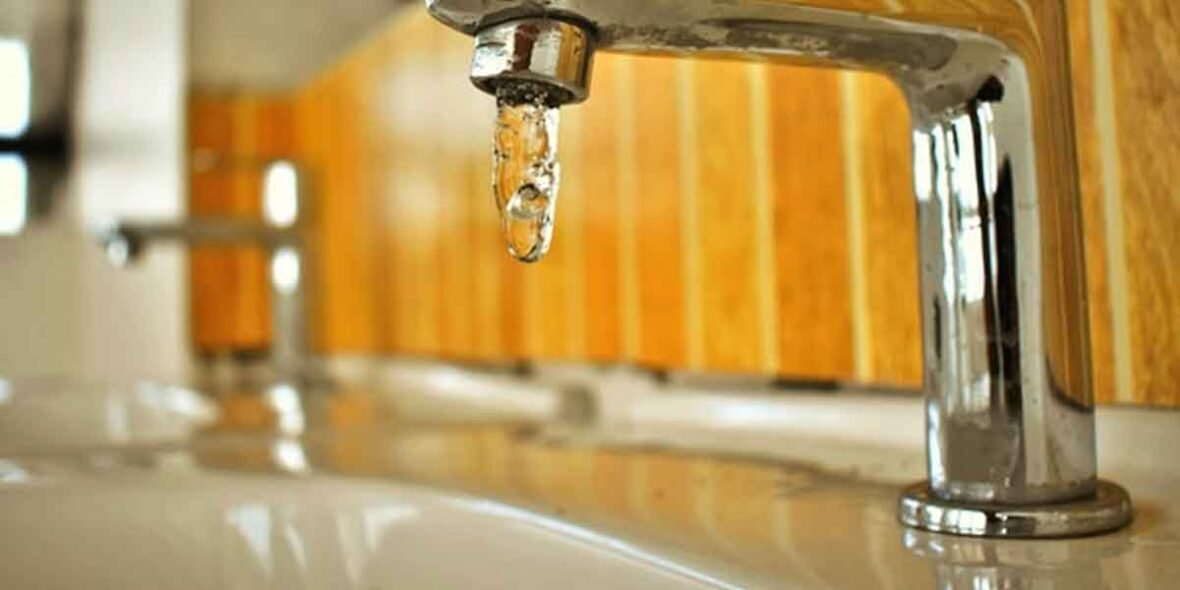
Nothing makes a bathroom or kitchen look tired faster than a bit of rust creeping across the fixtures. Left alone, it’ll slowly chew away at your fittings, dull their shine, and make even the most carefully maintained property look neglected.
However, with some smart upkeep hacks, you can stop rust in its tracks. So, grab a cuppa, because we’re about to walk through the simple steps that’ll keep your fixtures looking fresh and your rental free of unwanted orange spots.
Choose Sturdy Materials
The fight against rust starts before a single tenant sets foot in the property. It’s all about what you choose in the first place. So, pick the right materials now to save yourself a world of scrubbing, polishing, and replacing later.
Stainless steel is the obvious choice here. Not only does it give kitchens and bathrooms that clean, modern look, but it also puts up a solid fight against corrosion.
Brass deserves an honourable mention, too. It’s got that classic, timeless feel and is tough enough to hold its own against water and humidity.
Then, there’s plastic. Sure, it doesn’t exactly scream ‘luxury,’ but it’s easy on the wallet and, best of all, completely immune to rust.
Keep in mind that cutting corners won’t save you money for long. It’ll just set you up for a tap set replacement right when you least expect it.
That’s why you should buy good-quality, rust-resistant pieces from trusted local suppliers. It’s an investment that’ll set you up for years of easier maintenance, fewer tenant complaints, and far less chance of finding your bathroom rail flaking away like old paint.
Clean Your Fixtures
Even the toughest materials need a bit of love if you want them to stay shiny. The good news is that you don’t need fancy sprays or harsh chemicals that strip away protective coatings. A bit of mild soap, warm water, and elbow grease will do the trick.
Here’s the secret most people forget: drying is just as important as cleaning. Skip this step, and you’ll end up with water stains and mineral deposits that invite corrosion to settle in.
So, wipe everything down with a soft cloth once you’re done, especially during humid spells.
If you’re short on time or just don’t fancy spending weekends polishing the taps, professional cleaners can help with the routine jobs. Not to mention, exit-bond cleaning services often include fixture care as well.
Want to score a few extra points? Share a neat little cleaning schedule with your renters. This way, they’ll know how to keep things fresh, you’ll get longer-lasting fixtures, and everyone will avoid that awkward ‘why is the shower rail orange?’ chat down the track.
Apply Protective Coatings
Sometimes, giving your fixtures an extra layer of armour is the best defence against rust. A clear sealant or rust-inhibiting spray will create a water-repelling barrier that’ll keep your taps and rails looking fresh long after your tenants have moved in.
They’re cheap and easy to apply. Plus, they’ll save you from the horror of watching your shiny chrome fittings turn patchy orange.
Just keep in mind that your surfaces need to be squeaky clean and bone-dry before you coat them.
Once that’s done, a quick, even application will do the job. Then, you can reapply the product every six months, so your fittings keep their sparkle for years.
Not all materials are the same, though, so you’ll want to pick products designed for the surface you’re treating.
Let in Some Fresh Air
Bathrooms and kitchens are basically rust’s favourite playgrounds. Steam from hot showers, bubbling pots, and general humidity all give corrosion exactly what it needs to settle in. The fix? Plenty of fresh air.
A decent exhaust fan will whisk away excess moisture before it has a chance to cling to taps and fittings.
Pair that with the simplest trick in the book—opening a window—and you’ll slash humidity levels in no time. Your tenants will get fresher air, mould will have fewer chances to grow, and your fixtures will stay shiny.
Of course, ventilation systems only help if they’re actually working. Fans clogged with dust or blocked vents aren’t as effective. So, make sure to regularly clean and check them to stop moisture from building up.
Fix Cracks Quickly
Even a slow drip under the sink or a hairline crack around a tap can create just enough moisture for corrosion to start forming.
And if you leave it for too long, you’ll be dealing with more than rusty fittings—think swollen cabinets, stained floors, and sky-high water bills.
This is why you need to deal with these leaks as soon as they appear to keep your fixtures in good shape, stop water from pooling, and save yourself the cost of major repairs.
Finally, make sure to ask your tenants to flag any drips or cracks straight away. What looks like a tiny inconvenience to them can snowball into a big, expensive headache if it goes ignored.
Remove Excess Moisture
The Aussie weather loves to throw in a mix of damp air, sticky heat, and salty breezes. So, even if you’ve picked the right materials and stayed on top of cleaning, rust can still sneak in if the property’s humidity is out of control.
This is where dehumidifiers can be put to good use. For bathrooms and small spaces, you’ll need a compact unit to pull excess moisture out of the air, while larger spaces require bigger models with higher extraction power.
Of course, you still need to keep these machines in good shape. To do this, clean the filter every 2-3 months, empty the tanks before they overflow, and give your unit a quick check every now and then.
Stick with that routine, and the property will stay drier, healthier, and a whole lot less inviting to rust and mould.
Educate Your Tenants on Proper Care
You can pick the best fixtures and stick to every maintenance tip in the book, but rust will still show up if your tenants ignore the basics.
Give them the know-how early, and you’ll save yourself a lot of frustration later. Your renters will learn how to keep fixtures in good shape, and you’ll dodge those surprise calls about ‘odd marks’ that turn out to be rust.
A welcome pack, a short guide, or even a casual chat at handover will do the job. When the advice is practical and easy, your tenants will feel supported instead of scolded.
Don’t stop at move-in day either. Drop the odd reminder in a newsletter or mention it during a routine inspection.
Your renters will get the message without feeling nagged, and you’ll catch small problems before they snowball into big, expensive ones.
Conclusion
Rust might thrive in Aussie humidity, but it’s no match for a landlord who’s a step ahead.
So, put in the effort now, and you’ll keep your fittings gleaming while other properties quietly surrender to those orange blotches. Not to mention, there’s nothing more satisfying than winning the battle before it’s even begun.