

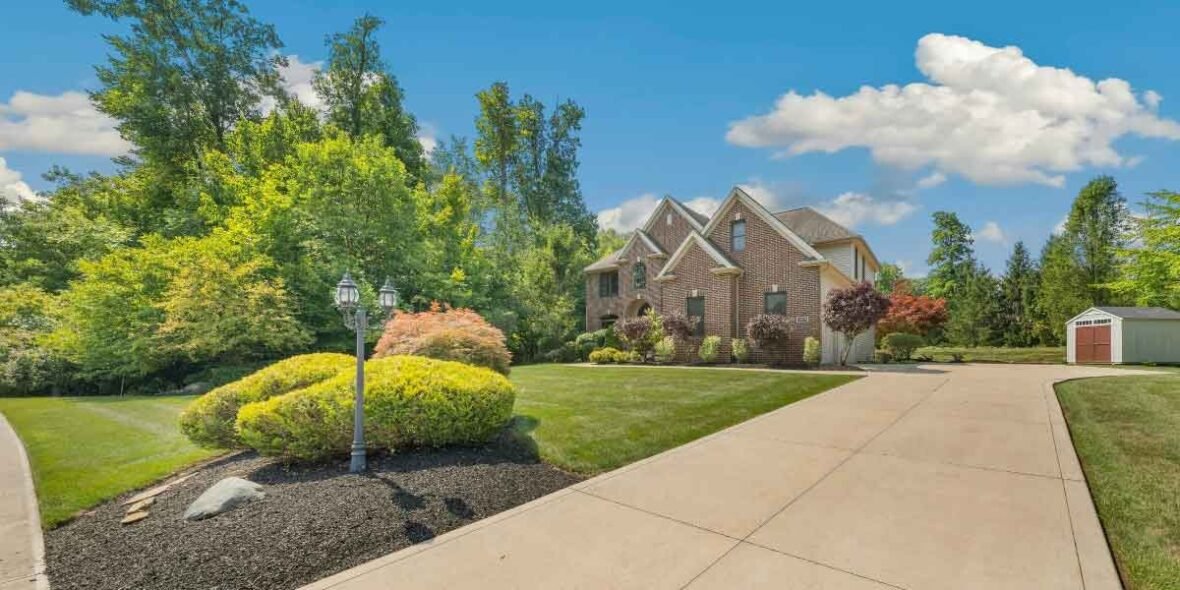
Concrete driveways are a foundational element for any home, serving not only as a functional surface but also as a visual statement about a property. Installing a high-quality driveway can significantly enhance a residential property’s safety, value, and overall appeal. For homeowners interested in investing in concrete driveways Sydney, understanding the benefits becomes crucial when considering an upgrade or new construction project.
Properly installed concrete driveways not only enhance a property’s aesthetic appeal but also deliver lasting durability, low maintenance, and practical safety features, making them attractive to families and potential buyers. As the primary access point to a home, a driveway significantly influences curb appeal and resale value by reflecting the homeowner’s care for the property. This guide highlights the roles concrete driveways play in ensuring safer access, improving property appearance, and maximizing long-term savings. It also emphasizes environmental considerations and creative customization options, empowering homeowners to make informed, future-focused paving choices. Notably, concrete driveways are associated with higher property values, reduced long-term costs due to their durability and low maintenance needs, and enhanced safety through their smooth, non-slip surface.
Enhancing Curb Appeal
The exterior of a home makes a lasting first impression, and a concrete driveway is a primary component of that initial visual. A well-installed, spotless driveway reflects attention to detail and gives the impression of a meticulously maintained property. As real estate listings often highlight exterior features, an attractive driveway can help a home stand out in competitive markets and entice buyers to view more. Whether the driveway is a simple, clean slab or boasts decorative finishes, the improvement in curb appeal directly translates to increased property value.
Durability and Longevity
Concrete is well-known for its longevity and strength, making it an ideal choice for high-traffic areas like driveways. When poured and finished correctly, a concrete driveway can last upwards of 30 years, outlasting many alternatives such as asphalt or gravel. It resists common threats, including heavy vehicle loads, shifting soil, and frequent weather changes. This durability significantly reduces the likelihood of cracks, potholes, and unsightly surface wear, thereby preserving the home’s value over time. For more information about materials and lifespan, resources like Better Homes & Gardens offer detailed comparisons.
Low Maintenance Requirements
Unlike gravel or pavers that often require re-leveling and weed control, concrete driveways are remarkably simple to maintain. Routine upkeep usually involves periodic sweeping or rinsing with water to remove dust, debris, or stains. Sealing the concrete every few years enhances its longevity by providing protection against moisture penetration and freeze-thaw cycles. Because cracks are less likely to form with a well-installed base and quality materials, homeowners typically spend less on repairs and upkeep, giving them more time to focus on other property improvements.
Safety Improvements
Safety is particularly important for families and households with frequent visitors. Concrete driveways offer even surfaces, minimizing the risk of trips, slips, and falls compared to gravel or uneven paving stones. Specialized surface treatments, such as broom finishes or slip-resistant aggregates, can further improve traction, even in wet or icy conditions. The uniformity and stability of a concrete surface make entry and exit safer for pedestrians, strollers, and bicycles.
Environmental Benefits
Today’s concrete solutions go beyond traditional solid slabs. Permeable or porous concrete allows rainwater to filter through, alleviating pressure on stormwater systems and facilitating natural groundwater recharge. This option is increasingly popular among eco-conscious homeowners and is recommended in urban planning efforts to mitigate flooding and erosion. Concrete is also highly reflective, reducing the heat island effect in urban neighborhoods, and thanks to advances in sustainable production, a portion of its ingredients may include recycled materials.
Cost-Effectiveness
The upfront cost of concrete installation may be higher than some alternatives, but the long-term value is hard to match. Ongoing maintenance and repair expenditures are generally much lower compared to surfaces like asphalt, which can crack and degrade more rapidly. The minimal upkeep, coupled with a longer lifespan, significantly reduces the total cost of ownership. Additionally, the value added to a property through better curb appeal and safety features can yield returns that far surpass initial installation costs when it comes time to sell or refinance the home.
Customization Options
For homeowners seeking a unique touch, concrete offers a range of customization possibilities. Stamped patterns, colored finishes, borders, and decorative aggregates allow for a tailored look that complements architectural style. Whether aiming for a contemporary, rustic, or classic appearance, concrete can be designed to reflect personal taste and blend with landscaping elements. These design choices ensure the driveway serves both aesthetic and practical functions for years to come.
Conclusion
Concrete driveways offer compelling advantages for residential properties: increased curb appeal, robust safety features, sustainability, and strong value over time. As both a functional necessity and a visual highlight, a professionally installed concrete driveway stands as a wise investment that delivers safety, beauty, and savings throughout its lifespan.