

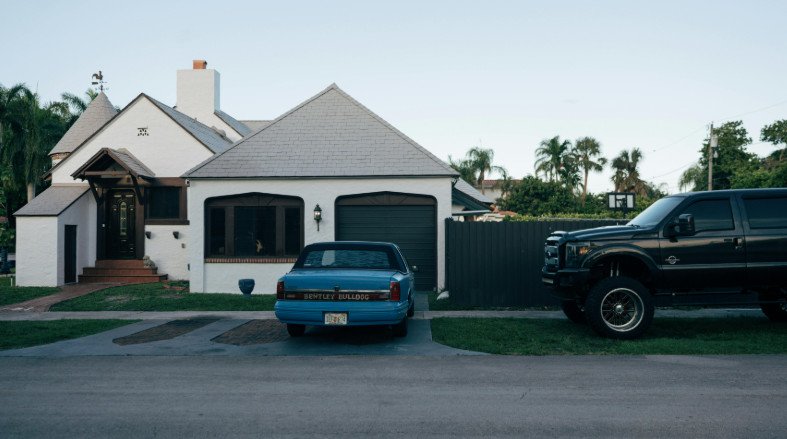
Living in Florida means your home deals with more stress than most—strong sun, heavy rain, high humidity, and the constant risk of storms. Many homeowners upgrade their spaces based on looks or trends, only to find that those choices don’t hold up after a few seasons. Paint fades faster, materials warp, and energy bills creep up. The problem isn’t the effort—it’s choosing upgrades that aren’t suited for the environment. Local homes need practical solutions that work with the climate, not against it. When you focus on the right improvements, you get a home that feels comfortable year-round and holds up better over time.
Entry Doors Built for Storm Season
Front doors often get overlooked during upgrades, yet they are one of the first areas to fail during high winds. A weak door can bend under pressure or allow water to enter, which leads to bigger issues inside the home. In Florida, doors need to handle both force and moisture without warping. Materials like fiberglass and reinforced steel perform well because they stay stable in humid conditions. A properly sealed door also helps control indoor temperature, which reduces strain on your cooling system. When upgrading, it’s worth paying attention to the frame and hardware as well. A strong door only works as well as the system holding it in place.
Windows That Hold Up in Florida Conditions
Windows take a direct hit from the weather every day. Between strong UV exposure and sudden storms, standard windows tend to wear out faster than expected. Drafts, heat gain, and weak frames can quietly raise energy bills and reduce comfort. That’s why impact resistant windows are the best windows for Florida homes as they offer protection against wind pressure, debris, and constant sun exposure. They also help stabilize indoor temperatures, which matters when your AC runs most of the year. A proper installation matters just as much as the product itself. Poor-fitting windows can still leak air and water, even if the glass is strong.
Insulation That Keeps Heat Out
Many local homes struggle with heat buildup, especially in the attic. Without proper insulation, that heat seeps into living spaces and forces your air conditioning to work harder than necessary. Over time, this leads to higher energy costs and uneven cooling throughout the house. Good insulation slows down heat transfer and helps maintain a steady indoor temperature. In humid areas, it also plays a role in controlling moisture, which can prevent mold from developing. Spray foam and blown-in insulation are common choices because they fill gaps effectively. Focusing on attic insulation first usually brings the biggest improvement, since that’s where most heat enters the home.
Roofing That Lasts Through Heat and Rain
Roofs here face constant exposure to sun, rain, and strong winds. Some materials break down faster under these conditions, leading to frequent repairs. Asphalt shingles are common, but they can lose strength over time in extreme heat. Metal and tile roofing tend to last longer and handle weather changes better. They also reflect more sunlight, which can help keep indoor spaces cooler. Proper installation and ventilation matter just as much as the material itself. Without good airflow, heat can build up under the roof and affect the rest of the home. Choosing the right roofing system can reduce long-term maintenance and improve overall durability.
Drainage That Prevents Bigger Problems
Heavy rain is part of life here, and poor drainage can quickly turn into costly damage. Water that collects near the foundation can weaken the structure and create moisture issues inside the home. Gutters and downspouts need to direct water away effectively, not just move it off the roof. The slope of the ground around the house also plays a role in keeping water from pooling. Simple fixes like extending downspouts or regrading soil can make a noticeable difference. Paying attention to drainage helps protect both the home’s structure and landscaping. It’s one of those upgrades that doesn’t get much attention but prevents major repairs later.
Cooling Systems That Keep Up With Daily Use
Air conditioning runs almost year-round in Florida, so your system needs to handle long hours without losing efficiency. Older units often struggle to maintain steady temperatures, especially during peak summer months. This leads to uneven cooling and higher electricity bills. Upgrading to a newer, energy-efficient system helps maintain consistent airflow and reduces strain on the equipment. It’s also important to size the unit correctly. An oversized system cools too quickly without removing enough humidity, while an undersized one runs constantly. Regular maintenance, like cleaning filters and checking refrigerant levels, keeps the system working properly. A well-tuned HVAC system improves comfort and helps control indoor humidity.
Materials That Resist Moisture Indoors
Humidity affects more than comfort—it slowly damages materials inside your home. Wood can swell, warp, or develop mold when exposed to constant moisture. That’s why flooring and cabinetry choices matter more here than in drier climates. Tile and luxury vinyl hold up well because they don’t absorb moisture easily and are simple to maintain. In kitchens and bathrooms, moisture-resistant cabinets and sealed surfaces help prevent long-term damage. Even drywall choices can make a difference in humid areas. Using materials designed for moisture resistance reduces the need for repairs and helps maintain indoor air quality. These choices may seem small but they add up over time.
Shading Solutions That Reduce Indoor Heat
Sunlight can raise indoor temperatures quickly, especially in rooms with large windows. Adding shade helps control how much heat enters your home during the day. Exterior options like awnings and covered patios block sunlight before it reaches the glass, which makes them more effective than interior solutions alone. Landscaping also plays a role. Strategically placed trees or shrubs can provide natural shade without blocking airflow. Inside the home, light-colored window treatments reflect heat instead of absorbing it. These changes reduce how hard your cooling system has to work. Over time, that can lead to more consistent indoor temperatures and lower energy use without major renovations.
Home upgrades in Florida need to be practical and climate-focused. Every improvement should make daily living easier while helping the home handle heat, humidity, and storms. When upgrades are chosen carefully, they reduce long-term maintenance and improve comfort without constant fixes. It’s easy to get caught up in trends, but long-lasting results come from selecting materials and systems that fit the environment. From cooling systems to moisture-resistant finishes, each decision plays a role in how well your home performs. Taking a thoughtful approach helps you avoid unnecessary expenses and creates a space that stays reliable through changing seasons.