

Becoming eco-friendly, or “going green”, is a popular practice because it protects the environment and promotes our health. Cleaning, especially industrial cleaning, can be environmentally unfriendly due to the chemicals and processes used during the cleaning process.
Eco-friendly cleaning practices prioritize employee health, sustainability, and cost savings. In this guide, we will discuss five eco-friendly cleaning practices businesses should adopt. These will help them to be less destructive to the environment and conserve resources while cleaning your business environment.
Eco-friendly Products
Choosing environmentally friendly products, such as plant-based and biodegradable products, is important. These products replace toxic chemicals like bleach and ammonia, which may cause water contamination and respiratory problems. The eco-friendly cleaners do not leave harmful residues, and they break down naturally, supporting biodiversity in disposal sites.
These eco-friendly products require less packaging because most are concentrated, which reduces plastic waste and emissions. Businesses can also save up to 30% on expenses by using bulk purchasing, and the frequent use of these products can help orient employees towards eco-friendly practices.
Efficient Cleaning Tools
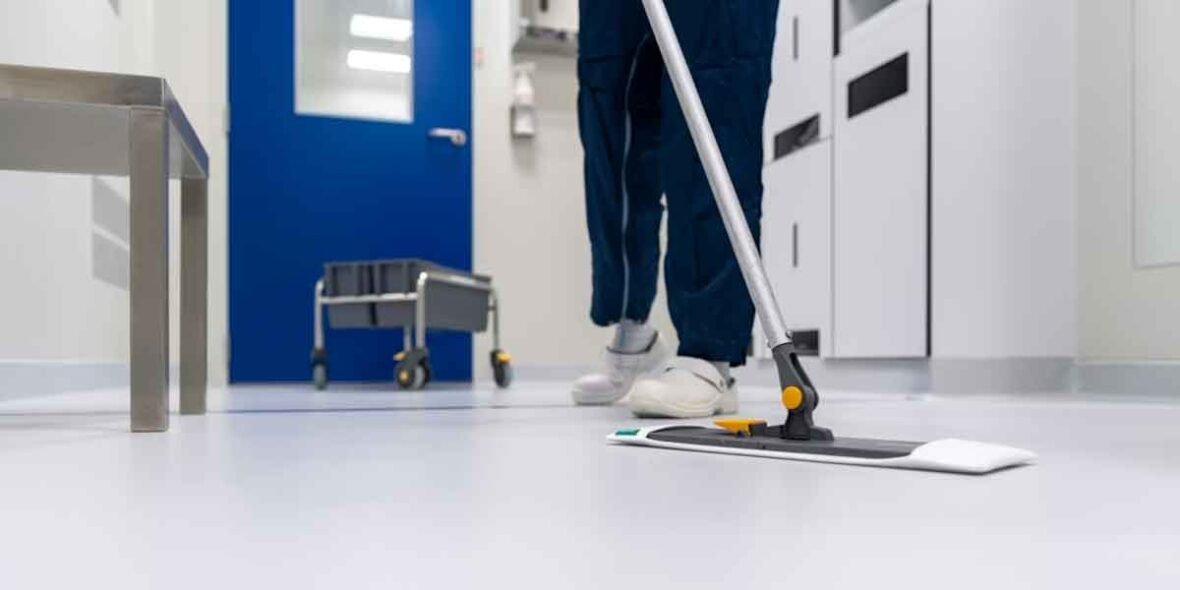
Cleaning tools can also have a positive impact on the environment. Use micro fingers and mops to trap dust and microbes using static charge. These cleaning equipment require only water and reduce chemical use by up to 90% compared to other materials, such as cotton. Energy-efficient vacuums help to capture fine particles, which improves air quality and reduces allergy risks in offices.
Low-moisture carpet systems prevent mold because they dry faster and conserve water during extraction processes. Using durable cleaning tools ensures that they last longer and reduces waste. This saves you money on replacements and curbs waste from the disposal of damaged tools. Ensure that you provide adequate staff training to educate them on the proper use of equipment. This maximizes the tool’s lifespan and cleaning efficiency.
Waste Reduction Strategies
Cleaning is a process that generates a significant amount of waste. From the products used to water, a significant amount of potential waste can be generated, and employing the right strategies can help reduce this waste. Drop disposable wipes in exchange for reusable microfibre ,which cuts back on thousands of pounds of waste for your business yearly. Compost good scraps and recycle bottles to reduce waste.
Replace paper towels with HEPA-filtered hand dryers, which not only save storage space but also help conserve trees. However, materials are in bulk at the source to prevent over-packaging. You should also conduct annual audits to identify areas that can be further optimized to reduce waste. These cuts turn waste management into a measurable process, and these strategies can be seamlessly embedded into daily business routines.
Employee Engagement
Communicate with your employees about the benefits of eco-friendly cleaning processes. Ultimately, your employees will do a significant amount of the cleaning in your business. Keeping everyone aligned and on the same page will allow everyone to be accountable for the system. Proper sensitisation regarding the use of products, cleaning equipment, and the best eco-friendly cleaning practices can help maintain high standards of cleaning.
You should also create an open dialogue where employees can discuss with the management and find proper solutions that work for everyone. Adopting eco-friendly cleaning processes is a team effort. You should champion a bottom-to-top approach, which gives everyone a chance to contribute positively to the project.
Water and Energy Conservation
Water and energy conservation are among the most important practices in eco-friendly waste management. Whether for large or small spaces, having the right approach or professional help goes a long way. Hiring eco-friendly cleaning professionals, such as Fort Worth commercial cleaning services, goes a long way in ensuring that the right measures are taken. Traditional cleaning methods are water-intensive and require a significant amount of energy. Use low-moisture cleaning systems for areas like carpets and rugs.
Utilize energy-efficient technology in your cleaning, such as battery-powered equipment and high-efficiency vacuums. These systems consume less energy, which reduces your power usage and has positive benefits on the environment. Process automation using robotic cleaners and other similar equipment also helps reduce the energy load. When these processes are naked into your cleaning, your business becomes more eco-friendly as it becomes clean.
Endnote
Switching from regular cleaning practices to environmentally friendly ones can be a lot. It is essential to conduct thorough research before making the switch. It might be too risky to change all your processes at once, so you can opt for a gradual approach of changing things incrementally. At each stage of adoption, ensure that your employees are included and provided with the appropriate training to maintain high cleaning standards.