

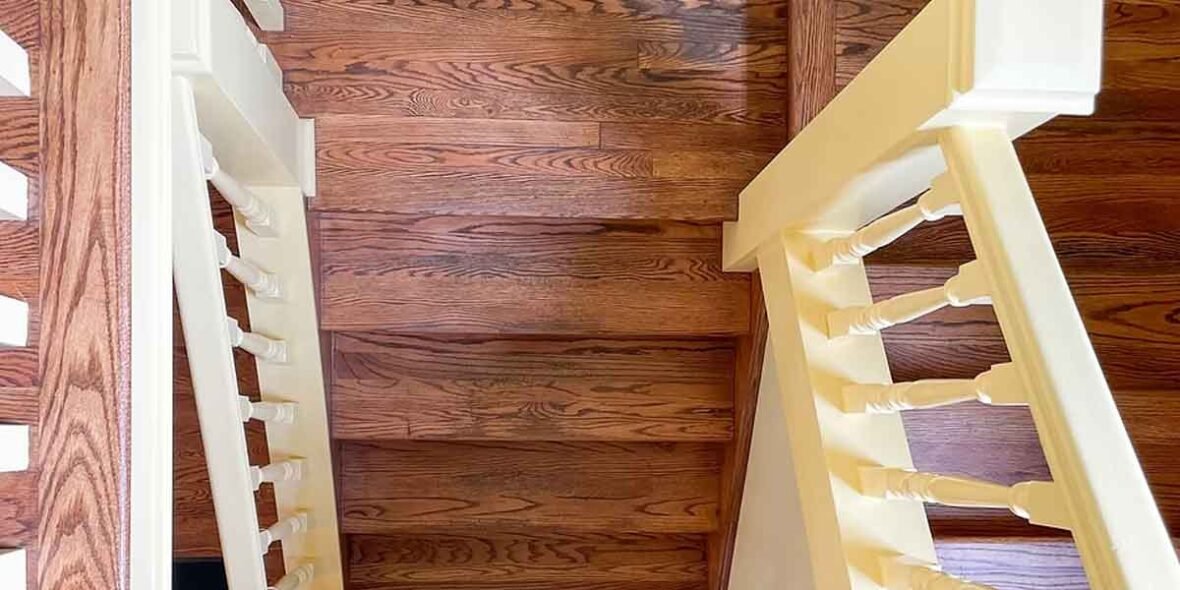
A stair railing setup includes several finishing and fabrication steps that shape the final railing system. Metal railings are typically produced from materials such as wrought iron, stainless steel, aluminum, or structural steel. Surface finishes are applied to these materials during fabrication to alter the metal’s outer layer. Here are some of the ways different finishing methods and material treatments influence the outcome of a stair railing installation:
Metal Finish Selections
Metal railings are fabricated from various metals, and the process includes shaping and welding the components that form posts, balusters, and handrails. After fabrication, the exposed metal surface receives a finishing treatment. Surface preparation usually occurs before the finishing stage for the best final results.
Cleaning the materials removes dust, oils, and residue from the metal surface before the installation. This step allows the coating or surface treatment to attach directly to the metal. Some finishing methods apply a coating to the metal, while others alter the metal’s surface texture through grinding or polishing. The method used depends on the material and the fabrication process.
Powder-Coated Surfaces
Powder coating is a finishing process applied to metal railing components. Dry powder made from polymer resin and pigment is sprayed onto the metal using an electrostatic spray gun, and the charged powder particles attach to the grounded metal surface. After application, the coated railing components enter a curing oven, where heat melts the powder particles and forms a solid coating on the metal surface. The result is a continuous finish covering the railing component. Powder coatings may appear in different surface textures. Matte powder coatings produce a non-reflective surface layer, while satin or textured powders produce different surface textures depending on the formulation.
Stainless Steel Treatments
Stainless steel railings use mechanical finishing processes rather than coating layers, making them different from other stair railing setups. These processes modify the metal surface through abrasion or polishing. A brushed stainless steel finish forms when abrasive belts move across the metal in a single direction.
The process creates visible grain lines across the surface. These grain lines remain visible along posts, handrails, and other railing components. A polished stainless steel finish forms through repeated polishing with progressively finer abrasives. The process produces a smooth and reflective metal surface. The reflectivity depends on the level of polishing used during fabrication.
Material Combinations
A railing interacts visually with other surrounding materials. Flooring, wall color, and lighting placement all affect the appearance of the finish once installation is complete. These materials remain visible around the staircase after installation. Design planning for stair railing installation may include reviewing surrounding materials before fabrication begins. This step allows the railing structure to be planned within the staircase layout.
Learn More About Stair Railing Installation
Finishing a stair railing installation involves placing the railing components along the staircase to ensure both stability and visual cohesion. A well-planned installation combines structural support with thoughtful design. Installation methods include mounting posts to wood framing, concrete surfaces, or masonry structures. Professional installation makes sure that the railing posts are properly anchored and aligned with the stair structure for long-term performance and safety. To explore design options and finishing choices for your staircase, visit us today and schedule a consultation on stair railing setup.