

Key Takeaways
Regular pruning and inspections support healthy tree development and help prevent disease or pest infestations.
Maintaining trees adds curb appeal and increases your property’s market value.
Healthy trees contribute to environmental sustainability and bolster biodiversity.
Having healthy, thriving trees on your property is about more than just aesthetics. Regular maintenance performed by professionals, such as an arborist Westlake, provides crucial benefits that extend to the health of the trees, the value of your property, and the broader environment. Consistent tree care keeps your landscaping appealing and ensures trees continue to play their vital role in supporting clean air, safe surroundings, and thriving wildlife habitats.
When trees are neglected, minor issues can quickly become larger problems. Disease, decay, and uncontrolled growth may jeopardize both the beauty and safety of your home or business. Learning why regular maintenance is key will help you maximize not only the lifespan of your trees but also your property’s value and environmental contribution.
Promotes Healthy Growth
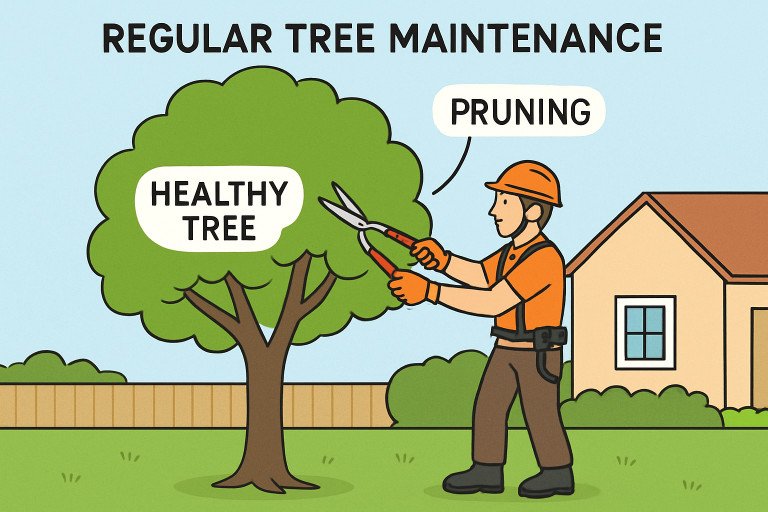
Trees benefit greatly from strategic pruning and trimming, which remove dead, damaged, or diseased branches. These practices help redirect nutrients and energy to healthy limbs, encouraging fuller and more robust growth overall. Eliminating vulnerable branches also helps stop the spread of fungal infections and pests that can decimate a tree if left unchecked. According to the National Institutes of Health, proactive tree maintenance reduces the risk of disease and can significantly extend a tree’s lifespan.
In addition to nutrient redirection, pruning increases sunlight and air penetration through the canopy, further boosting photosynthesis and foliage health. When a tree’s structure is managed over time, future growth can be guided in a direction that supports both beauty and strength, reinforcing long-term resilience against wind and storm damage. This is particularly important for young trees, which benefit from formative pruning that helps them establish a strong, stable architecture for decades to come.
Enhances Property Value and Curb Appeal
Mature, well-cared-for trees can add as much as 20 percent to a home’s value. Regular trimming keeps trees looking neat and balanced, ensuring they complement your landscaping rather than detract from it. Furthermore, well-maintained trees are less likely to obstruct sidewalks, driveways, or scenic views, improving both form and function in outdoor spaces.
Shaded yards and visually appealing tree lines also make properties more inviting to prospective buyers and renters, setting your landscape apart from others that lack thoughtful tree care. Trees with strong, upright growth and lush canopies are generally perceived as valuable amenities, while properties burdened by tangled, overgrown, or diseased trees may attract lower bids or deter interest altogether.
Improves Safety
Overgrown or weakened branches can become serious hazards during storms or high winds. Routine tree maintenance is vital for identifying and removing dangerous limbs before they fall, thereby reducing the risk of property damage or injury to people and pets. Regular safety inspections help homeowners address structural weaknesses early, making trees safer and more resilient.
Early detection of potential hazards, such as cracks, cavity formation, or pest infestations, helps manage problems before they escalate. Professional arborists can also identify when a tree must be removed to protect surrounding structures and maintain safety standards. This proactive approach is much more cost-effective than dealing with the aftermath of fallen trees or limbs.
Supports Environmental Sustainability
Healthy trees are fundamental to a thriving, sustainable ecosystem. They absorb carbon dioxide, reduce harmful air pollutants, and supply life-giving oxygen. Well-tended trees also influence urban microclimates by providing cooling shade and reducing the urban heat island effect.
Tree maintenance is also key to extending the lifespan of urban forests, ensuring these vital living assets endure for future generations. Urban areas benefit from lower energy costs and more hospitable outdoor environments when tree canopies are widespread and thriving. Each healthy tree, cared for properly, helps combat climate change at both local and global scales.
Prevents Property Damage
Neglected trees can threaten roofs, fences, power lines, and other nearby structures. When branches hang over buildings or intertwine with utility lines, unexpected breakage can lead to costly repairs or dangerous conditions. Routine pruning keeps branches clear of critical infrastructure, providing greater peace of mind and minimizing liability risks for property owners.
Roots from unmaintained trees can also disrupt sidewalks, foundations, and plumbing lines. Maintenance that includes root monitoring and intervention, as needed, can prevent cracking, shifting, or blockages that might otherwise lead to expensive repairs. Strategic tree care thus serves as essential protection for all elements of the property, above and below ground.
Encourages Wildlife Habitats
Vibrant, healthy trees foster habitats for birds, insects, and small mammals. Regular maintenance ensures trees remain a reliable source of shelter and food, boosting local biodiversity. Healthy trees are essential for supporting ecological networks that help balance populations of wildlife and beneficial insects, contributing to the long-term health and diversity of local environments.
By selectively removing deadwood and diseased limbs while preserving key habitat features, responsible tree care professionals create safer, more supportive ecosystems. Nesting sites and food sources can be conserved, ensuring that urban and suburban landscapes continue to contribute to regional environmental stewardship.
Reduces Soil Erosion
Tree root systems hold soil in place, limiting soil erosion and water runoff. Maintenance programs that prioritize tree health enable those roots to thrive. When trees are properly cared for, they can better stabilize soil, protect against landslides, and even filter out pollutants before they reach water bodies. This not only benefits your landscape but also protects public resources such as streams and lakes.
Preserving well-rooted, healthy trees along slopes and waterways is an effective measure for land conservation. Thoughtful tree maintenance can turn a property’s treeline into a natural barrier against erosion, while poor maintenance or tree loss can cause significant environmental and economic downturns, including increased flooding risks and sediment build-up in local waterways.
Conclusion
Investing in regular tree maintenance is one of the wisest decisions for homeowners and property managers. It keeps trees healthy, attractive, and safe while also boosting property value and supporting important environmental functions. With the help of experts, such as an arborist in Westlake, you ensure that your trees remain assets rather than liabilities, contributing for years to the health, beauty, and sustainability of your landscape.
Ultimately, the advantages of regular tree maintenance extend far beyond what meets the eye. By fostering vibrant, resilient trees, you are investing in long-term savings, safer communities, and a positive environmental legacy. Whether your property features a few ornamental specimens or an extensive woodland border, prioritizing tree care with expert guidance sets the stage for generations of enjoyment, flourishing wildlife, and enduring property value. Proactive maintenance ensures that every tree can thrive, weathering both storms and the passage of time with vitality and grace.