

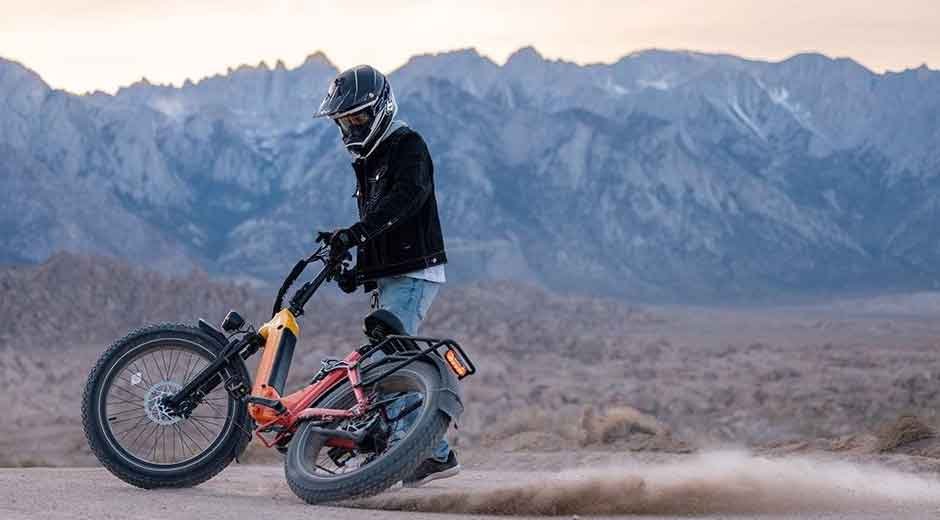
Electric mountain bikes are becoming one of the fastest-growing categories in cycling. They combine the rugged performance of a traditional mountain bike with the power assist of an electric motor, giving riders the chance to explore more trails with less fatigue. If you are new to the world of eMTBs, this guide will help you understand the essentials before you hit the trails.
What Is an Electric Mountain Bike?
An electric mountain bike is a mountain bike equipped with a battery-powered motor that provides pedal assistance. This means the motor only works when you pedal, giving you a natural ride feel while making steep climbs and long distances easier to manage.
How the Motor and Battery Work
Most electric mountain bikes use mid-drive motors that sit near the pedals. This placement helps maintain balance and delivers smooth, predictable power. Motor output is often measured in watts, and beginners typically find 250 to 500-watt motors more than enough.
Battery capacity determines how long your assistance will last. It is measured in watt-hours, commonly ranging from 400 to 700 Wh. Factors such as terrain, rider weight, power mode, and weather can influence total range, so it is smart to choose a battery that matches your typical ride length.
Key Features to Look For
When choosing your first eMTB, pay attention to suspension, frame material, wheel size, and brakes. Full suspension models, which include front and rear shock absorbers, offer more comfort and control on rough trails. Hardtail eMTBs, which only have front suspension, are lighter and usually more affordable.
Most modern frames are made from aluminum or carbon fiber. Aluminum is durable and budget-friendly, while carbon offers reduced weight and enhanced stiffness. Wheel sizes of 27.5 inches or 29 inches are the most common, with 29ers rolling more smoothly over obstacles. High-quality hydraulic disc brakes are also important since eMTBs are heavier and faster than traditional mountain bikes.
Riding Tips for Beginners
Start with easy or moderate trails to get used to how your eMTB handles. Although the motor helps with climbs, descending, and cornering feel similar to a standard mountain bike, so skills like body positioning, braking technique, and line choice remain important.
Use lower assistance modes when possible. Eco or trail modes preserve battery life and provide a more natural riding experience. Save higher power modes for steep climbs or tough sections. It is also wise to keep an eye on battery levels to avoid running out of power far from home.
Maintenance Considerations
Electric mountain bikes require the same basic care as traditional mountain bikes, including regular cleaning, chain lubrication, and brake adjustments. The added components mean you should also check battery connections, wiring, and motor mounts for signs of wear. Most brands recommend professional servicing for electrical components at least once per year.
Rounding Things Up
Electric mountain bikes open the door to longer rides, tougher climbs, and new adventures. With a little knowledge and the right equipment, beginners can gain confidence quickly and enjoy everything the trails have to offer. Whether you want more power, more range, or simply more fun, an eMTB is a great way to elevate your riding experience.